Human rights risks as Mali, Niger, and Burkina Faso exit ECOWAS
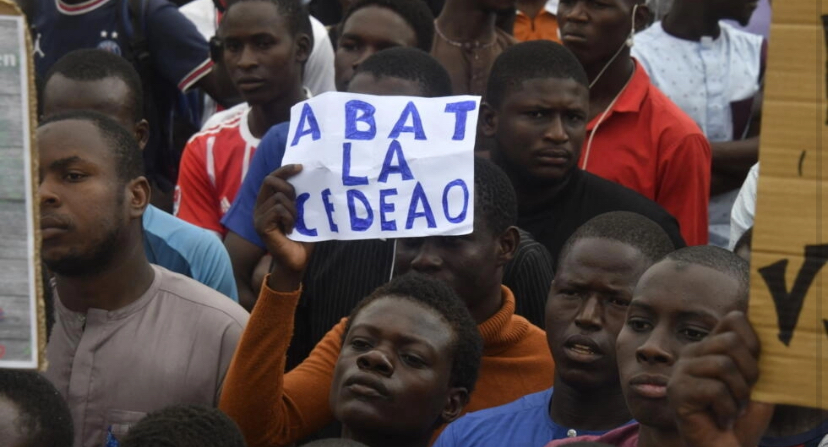
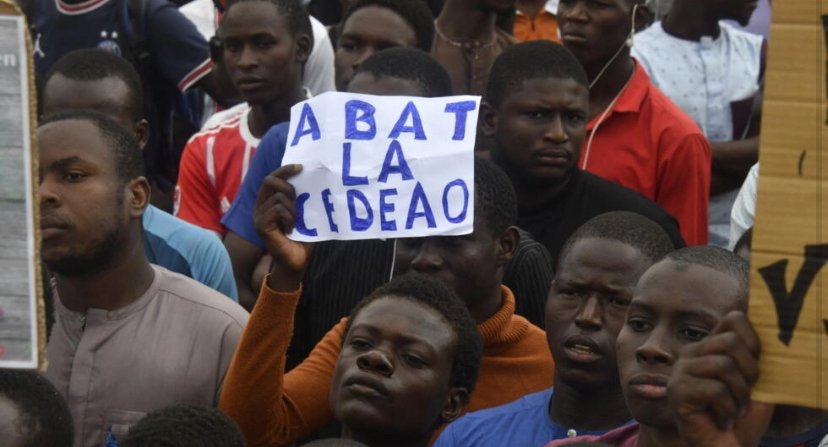
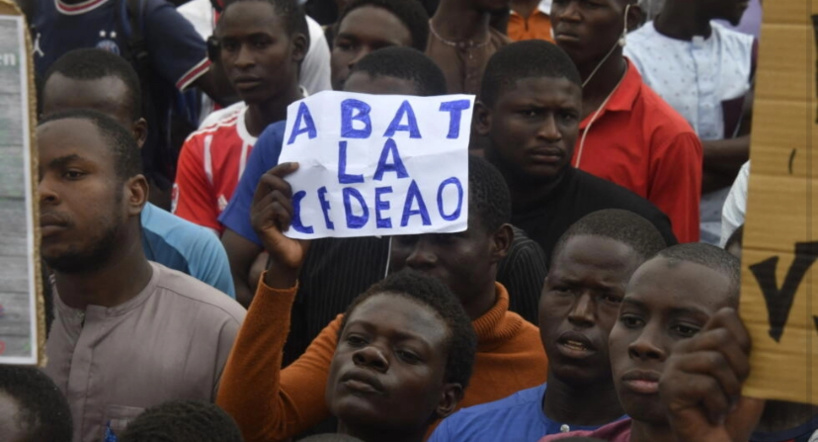
The official withdrawal of Mali, Niger, and Burkina Faso from ECOWAS (Cédéao) is set to significantly restrict the ability of residents in these nations to seek justice through the Community Court of Justice. This development represents a major setback according to Ilaria Allegrozzi, a senior researcher at a prominent human rights organization. She emphasizes that having an independent tribunal is essential for people in these three countries, where impunity for serious violations by state authorities and security forces is widespread and domestic legal options remain limited.
A vital mechanism for legal recourse
According to Ilaria Allegrozzi, the ECOWAS Court served as a fundamental safety net due to its jurisdiction over human rights violations. Historically, this court has delivered landmark rulings that reshaped legal standards in the region. Notable examples include a historic decision holding Niger accountable for failing to protect a citizen from slavery, and a 2012 ruling against Nigeria regarding environmental and human rights abuses committed by oil corporations.
One of the most significant advantages of the ECOWAS Court of Justice was its accessibility. Unlike many international bodies, it did not require plaintiffs to exhaust all local judicial remedies before filing a case. This unique procedural rule made it a highly reachable tool for citizens of Mali, Niger, and Burkina Faso seeking protection against state-sponsored abuses.
-
Côte d’Ivoire : Perpétuité pour six accusés au procès de l’attaque terroriste de Kafolo
-
Attaques au Mali : le Premier ministre et le président du conseil national de la Transition visitent les victimes de Kati
-
Bamako : la première édition du Forum Panafricain des Médias se déroulera du 3 au 6 mai
-
Nigeria: 14 partis d’opposition promettent de s’unir en vue des élections générales de 2027
-
Tchad: des affrontements inter-communautaires font plusieurs dizaines de morts dans l’est du pays