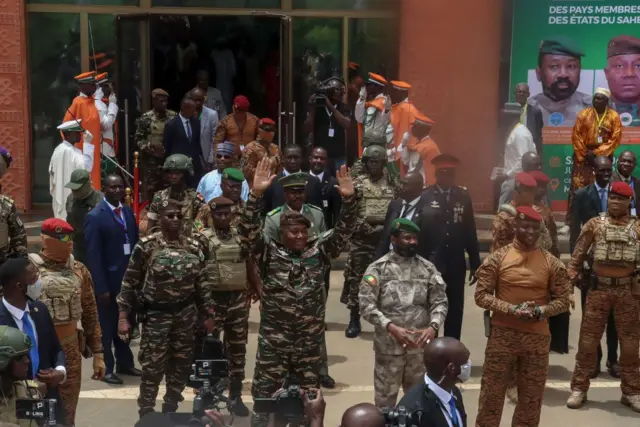
The leadership of Mali, Burkina Faso, and Niger is convening in Bamako this Monday for a two-day summit. This marks the second session of the heads of state for the Confederation of Sahel States (AES).
According to the Malian Government Information Center (CIGMA), this high-level meeting allows leaders to assess the progress made since the foundational summit in Niamey on July 6, 2024. The agenda includes tackling security, diplomatic, and developmental hurdles, as well as appointing a new confederation president.
The Malian government emphasizes that this session serves as a progress report for the confederation’s first year. It also aims to move toward the full operationalization of its various institutions while addressing both regional and global geopolitical issues.
Beyond the initial roadmap that established federal operations and improved coordination between the three member nations, the Malian presidency highlights several significant milestones achieved during the first year of the AES.
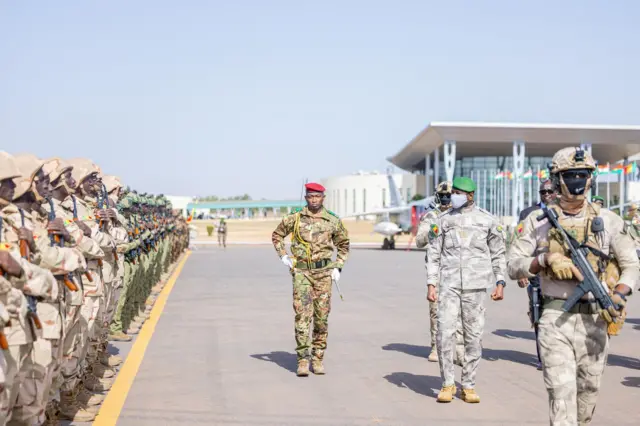
Just prior to the summit, General Assimi Goïta, Mali’s transitional president and current AES head, officially inaugurated the AES Unified Force (FU-AES) in Bamako on Saturday.
Understanding the AES Unified Force
For years, the Sahel states have struggled with persistent security threats, including armed insurgencies, border instability, and the fluid movement of militant groups across national lines.
In response, Mali, Burkina Faso, and Niger have prioritized military synchronization. This involves closer ties between military heads, enhanced intelligence sharing, and coordinated maneuvers to mitigate risks in vulnerable border regions.
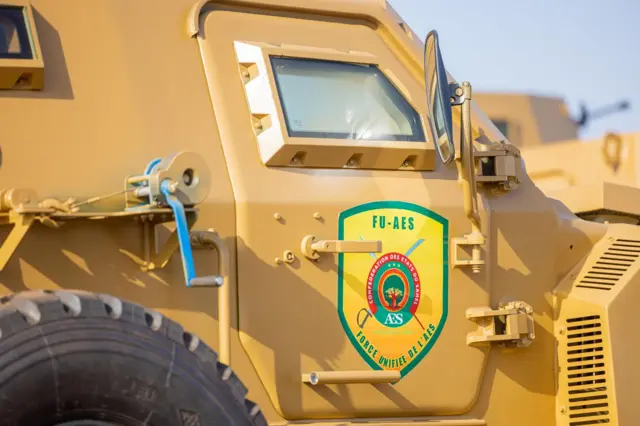
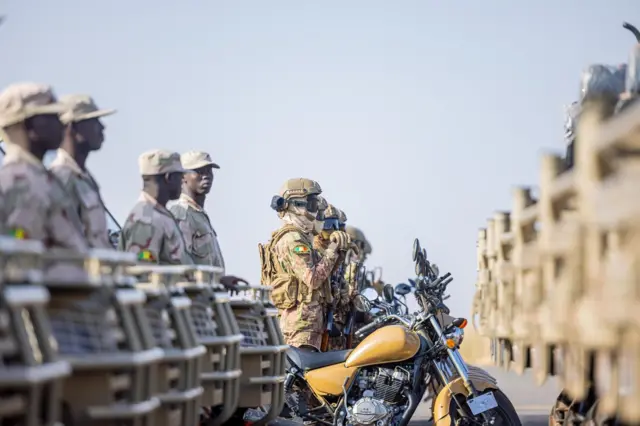
The activation of the AES Unified Force in Bamako is a direct step toward achieving these collective security goals. This multinational contingent consists of 5,000 troops from the three nations, placed under the command of General Daouda Traoré from Burkina Faso. Their primary mission is to combat jihadist groups within the AES territory.
General Sadio Camara, Mali’s Defense Minister, stated that peace and sovereignty cannot be outsourced. He described the unified force as the result of a strategic alliance rooted in Sahelian values of dignity and solidarity, calling its establishment an irreversible commitment by the three states.
Strategic path to achieving security goals
Reflecting on the confederation’s first year, Assimi Goïta noted that the three armies have already conducted significant joint operations. He highlighted the Yéréko I and Yéréko II missions, which successfully eliminated several jihadist leaders and destroyed militant hideouts through shared resources and intelligence.
Despite these wins, armed groups remain a major threat, particularly in the tri-border area. The recent fuel supply blockade imposed on Mali by the JNIM serves as a stark reminder of the ongoing challenges.
Fiacre Vidjenagninou, a Senior Researcher at the Behanzin Institute in Benin and the Egmont Institute in Brussels, argues that the Unified Force must move beyond rhetoric. Its credibility depends on delivering tangible results that improve safety for local populations.
According to Vidjenagninou, key factors for success include effective command structures, rapid intelligence-to-action mechanisms, and the ability to hold territory after operations. He notes that the strategy of striking and retreating is insufficient, as armed groups often return to fill the vacuum.
“True effectiveness requires a capacity to stay: controlling roads, securing markets, and protecting villages,” Vidjenagninou explains. He adds that military force alone cannot achieve stabilization without basic governance, local justice, and the resolution of communal or land disputes.
Expansion and regional cooperation
Regarding the expansion of the force to other nations, Vidjenagninou advises caution. He suggests that adding more countries could complicate coordination due to differing doctrines and potential mistrust.
The expert recommends a phased approach: first proving the force’s success with the current three members, then cooperating with neighbors on specific corridors and strengthening cross-border pursuit agreements. Formal integration should only follow once solid trust is established.
The Bamako summit will also see the official launch of AES Television, based in Mali, following the establishment of the AES radio station, “Daandè Liptako,” in Burkina Faso. Leaders will also discuss the Confederation Investment and Development Bank (BCID), which has an initial capital of 500 billion francs CFA.
This alliance follows a period of friction with the Economic Community of West African States (CEDEAO), which imposed sanctions after coups in Mali (2020), Burkina Faso (2022), and Niger (2023). The three nations eventually withdrew from CEDEAO to form the Alliance of Sahel States in September 2023, which transitioned into a full Confederation in July 2024.