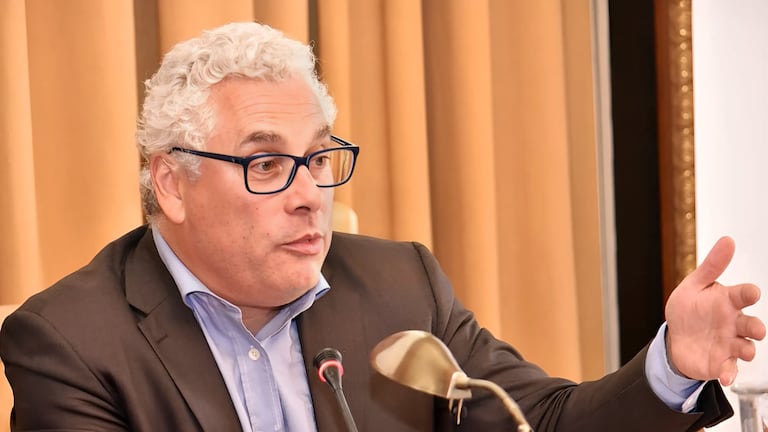
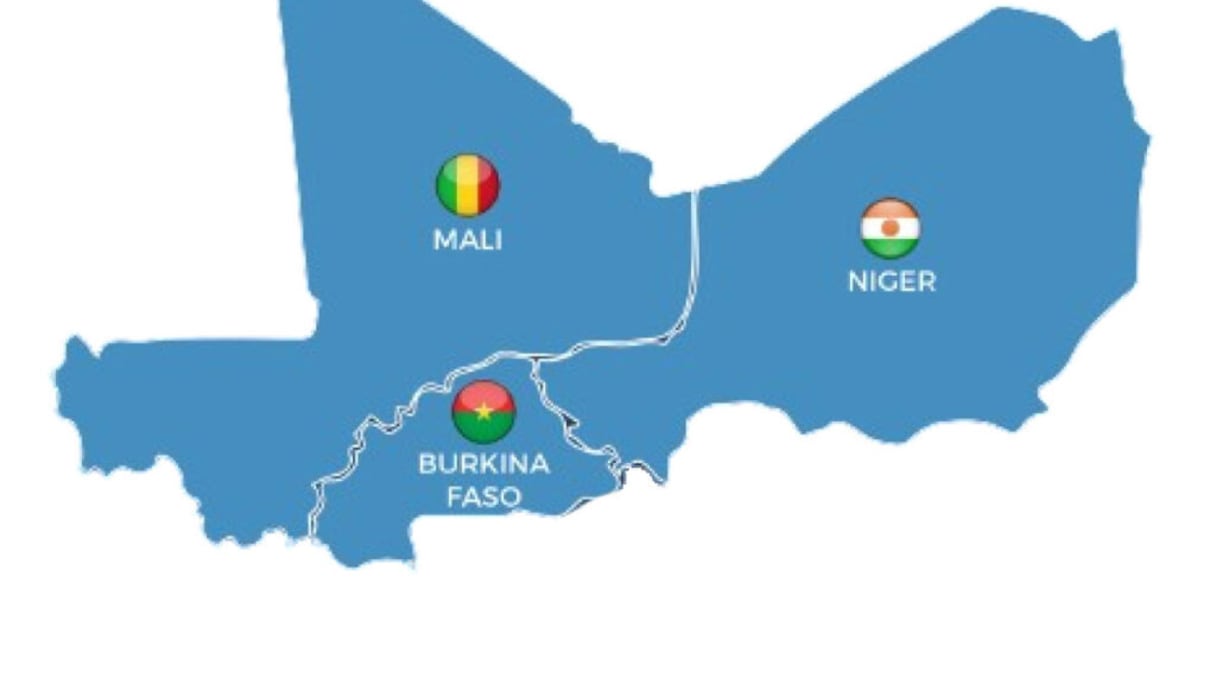
The geopolitical landscape of the Sahel is undergoing a subtle but profound transformation. As European military presence fades in Mali, Burkina Faso, and Niger, and Russia expands its footprint through various state-linked structures, the United States appears to be stepping up its involvement. However, according to Emmanuel Dupuy, president of the IPSE, this is less of a sudden return and more of a strategic positioning.
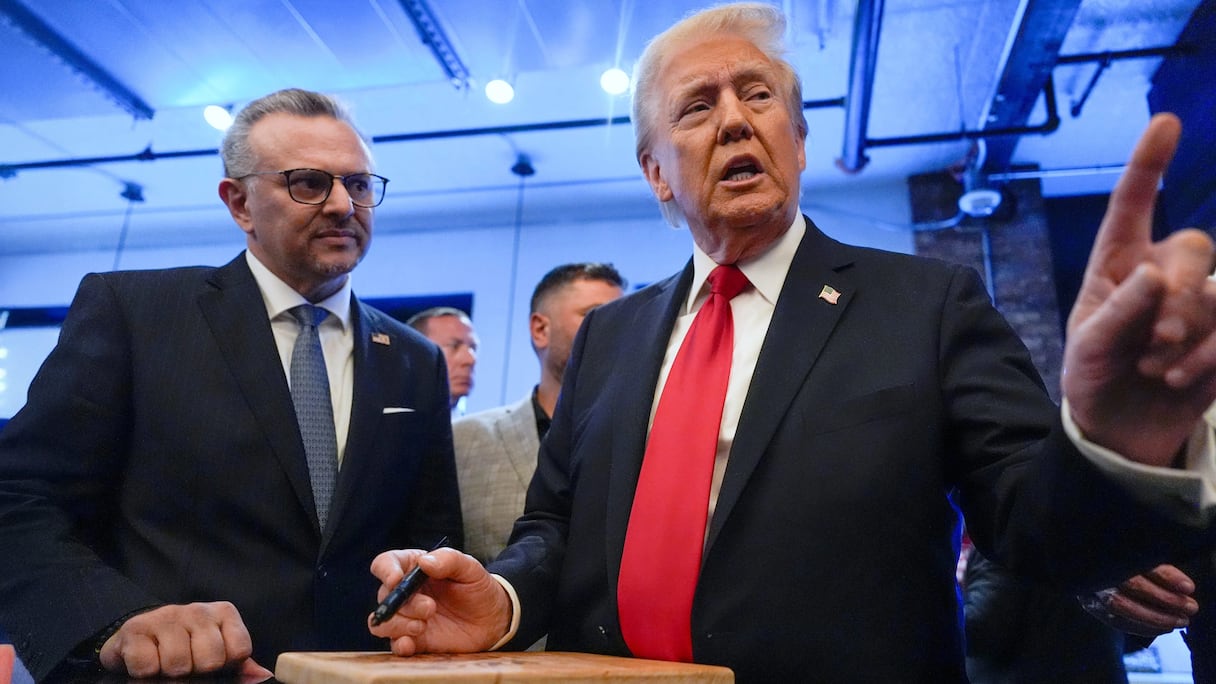
Dupuy suggests that Washington never truly abandoned the Sahel; instead, it waited for the influence of other international actors to erode before asserting its own role. This strategy reflects a deeply pragmatic American approach, where Washington is willing to negotiate with diverse stakeholders to protect its security and economic interests, regardless of ideological differences.
Pragmatism and coexistence in a shifting landscape
In this transactional framework, the United States does not necessarily view Russia as a direct obstacle. Instead, the two powers often find themselves in a state of complementary coexistence, filling the strategic void left by European departures. Dupuy notes that Washington is currently benefiting from a unique window of opportunity, as the UN faces a crisis of credibility and Russian efforts to curb terrorist groups show their limits.
Unlike European nations that have refused to recognize military-led governments in the region, the United States employs a “structured dialogue” methodology. This approach allows them to engage with current authorities in the Sahel, similar to their historical negotiations in Afghanistan. By accepting the political reality on the ground, Washington maintains its influence where others have lost theirs.
Security outsourcing and economic interests
A key feature of the American model in Africa is the use of private military and security companies (ESSD). This allows for a presence that avoids the political complications of deploying regular armed forces. Dupuy points to examples in Libya and Sudan, where American private contractors have operated in close proximity to Russian groups like Wagner or Africa Corps.
This outsourced presence often serves specific economic goals. Washington relies on private entities to secure access to essential resources, such as gold in Mali and Burkina Faso, and uranium in Niger. The African Growth and Opportunity Act (AGOA) further strengthens these ties by offering trade benefits to thirty African nations, blending economic development with security stability.


Morocco: The essential regional anchor
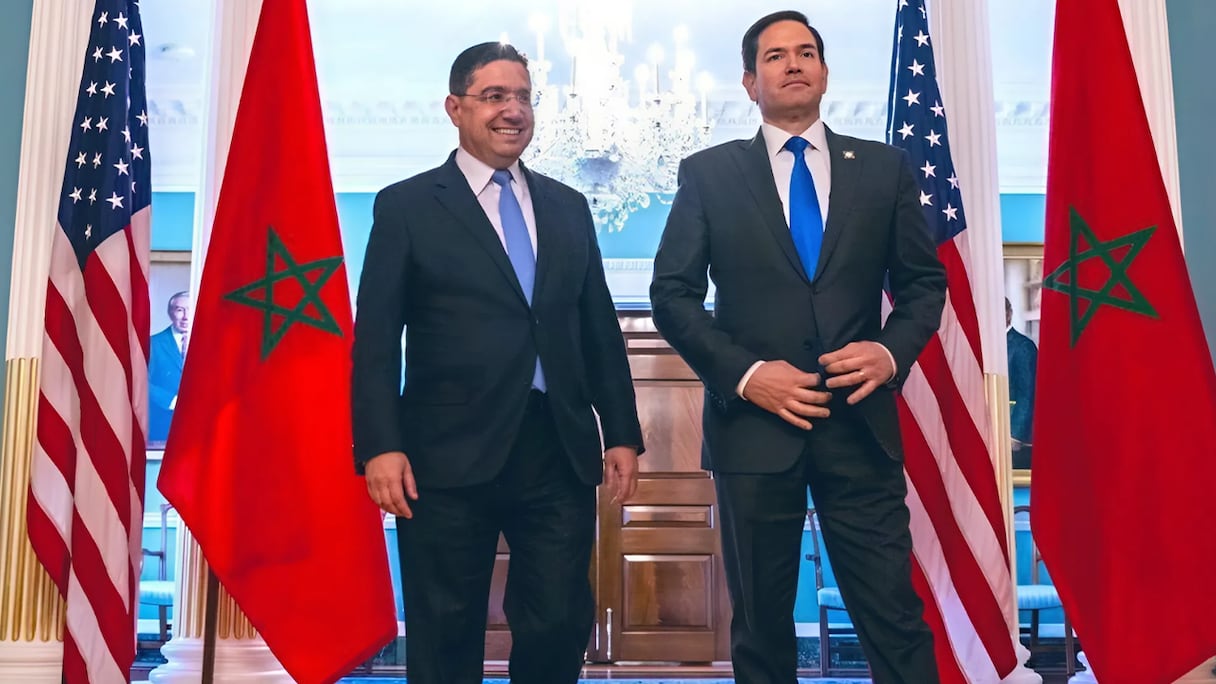
In this evolving landscape, Morocco has emerged as a vital partner for Washington. The cooperation between Rabat and the United States is deepening across military, economic, and diplomatic fronts. Morocco is viewed as an ideal intermediary, capable of maintaining dialogue with transition governments in Bamako, Niamey, and Ouagadougou while maintaining a positive regional image.
While Algeria has seen its organic ties with Mali weaken, Morocco remains a preferred actor for authorities in Bamako. Beyond security, Rabat offers a unique model of “spiritual diplomacy” through the Mohammed VI Institute, which trains imams from across the region in a moderate, Malikite, and Sufi tradition. This soft power tool serves as a stabilizing force against religious extremism.
Furthermore, Morocco provides long-term economic prospects, including logistics corridors and Atlantic access for landlocked Sahel nations. These initiatives, though projected over the next decade, complement Morocco’s existing footprint in Africa through banking, telecommunications, and industrial investments.
A reconfigured balance of power
The strategic partnership between Rabat and Washington also has implications for the Sahara issue. American support for the autonomy plan as the only viable basis for discussion has shifted the focus from ideological debates to practical implementation, such as local governance and economic development in the region.
In contrast, Algeria finds its regional influence diminishing as new alliances take shape. The United States continues to value Morocco’s stability and its role as a “Major Non-NATO Ally,” a status that links Atlantic, Mediterranean, and African security interests. As Washington adjusts its posture, Morocco stands as the pivot point where these diverse strategic interests converge.