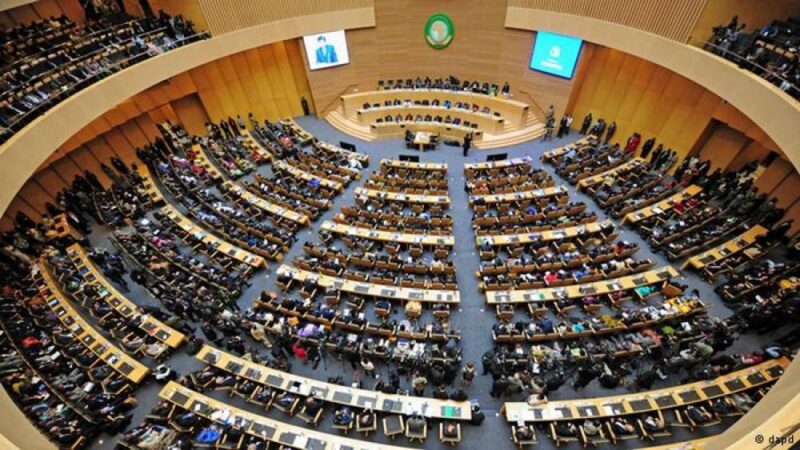
Libreville, Saturday, June 20, 2026 – Africa is embarking on a significant new chapter in its economic history. For too long, the continent’s markets have been fragmented by colonial-era borders. Today, there’s a concerted effort to forge the world’s most expansive integrated market by country count.
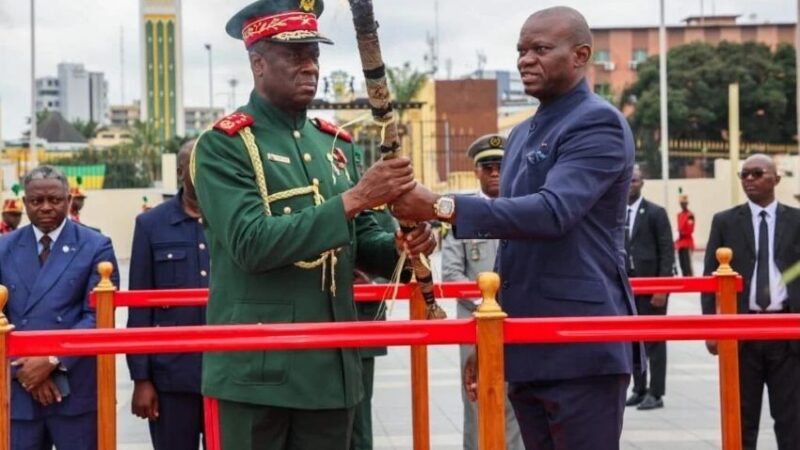
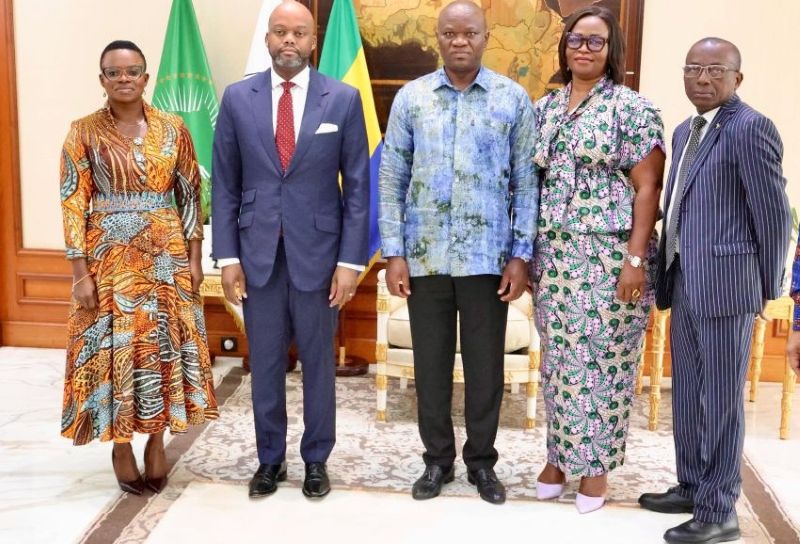
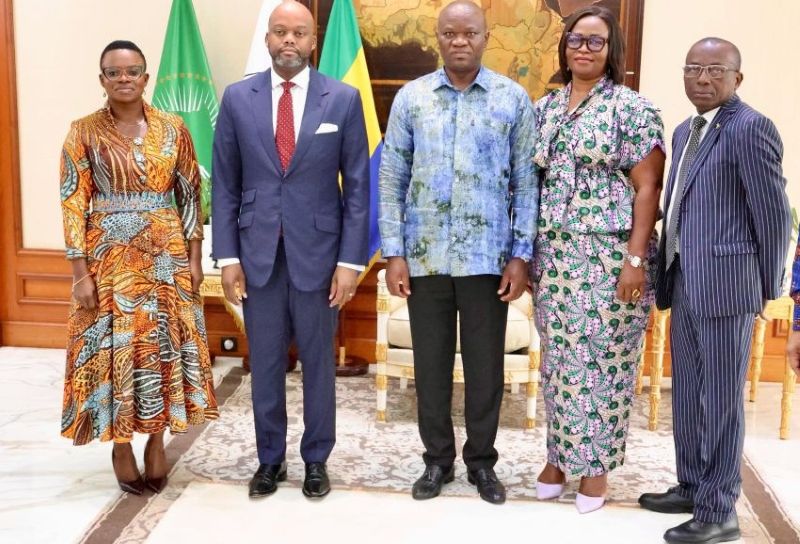
Within this transformative momentum, the recent meeting in Libreville between President Brice Clotaire Oligui Nguema and Wamkele Mene, Secretary General of the African Continental Free Trade Area (AfCFTA), transcends a mere institutional encounter. It signifies a profound national ambition: to position Gabon as a central player in Africa’s emerging economic framework.
As global powers reconfigure supply chains and regional blocs deepen their integration, the critical question for African nations is no longer whether to increase intra-continental trade, but rather how each country intends to strategically position itself within this historic shift.
A vast market of 1.4 billion consumers
Boasting over 1.4 billion inhabitants and a combined Gross Domestic Product exceeding $3 trillion, the AfCFTA stands as one of the 21st century’s most ambitious economic undertakings. Its primary objective is seemingly straightforward: to progressively dismantle trade barriers, thereby stimulating intra-African commerce.
Despite its immense potential, Africa remains a region where trade among neighboring countries is notably low. While intra-European trade surpasses 60% of the continent’s total exchanges and Asia’s hovers around 50%, Africa still struggles to exceed the 15% mark. The AfCFTA is specifically designed to bridge this significant gap.
Discussions between the Gabonese head of state and Wamkele Mene thus focused on practical mechanisms for Gabon to fully capitalize on this continental opening. Identified priorities include modernizing customs procedures, enhancing cross-border infrastructure, adapting regulatory frameworks, and strengthening relevant institutions, all vital for effective governance Africa-wide.
Nkok: Gabon’s industrial asset
The AfCFTA Secretary General specifically highlighted a strategic advantage for Gabon, one often undervalued at the continental level: the Nkok Special Economic Zone (SEZ).
In just a few years, Nkok has evolved into one of Central Africa’s leading industrial hubs. This platform hosts dozens of enterprises specializing in wood processing, metallurgy, and diverse manufacturing industries. It powerfully illustrates Gabon’s commitment to moving beyond a model based solely on raw material exports, instead prioritizing local value creation and robust industrial development.
This strategic direction perfectly aligns with the core principles of the AfCFTA. The success of free movement of goods will depend less on countries’ ability to export natural resources and more on their capacity to cultivate a genuinely competitive industrial base. In the realm of African politics and economic strategy, this shift is paramount.
Furthermore, Gabon’s geographical location presents a significant advantage. Situated at the heart of the Gulf of Guinea, equipped with modern port infrastructure, and actively engaged in several major logistics projects, the nation possesses the essential attributes to become a pivotal regional trade platform.
Transformation as an economic doctrine
During the audience, Brice Clotaire Oligui Nguema reiterated the core tenets of the National Growth and Development Plan. This forward-looking vision rests on three fundamental pillars: the local transformation of resources, economic diversification, and accelerated digital transition.
This strategy represents a clear departure from traditional economic models that relied exclusively on raw material exploitation. It reflects a determined effort to prepare the country for the evolving demands of global competition and foster sustainable Gabon economic transformation.
Indeed, the true significance of the AfCFTA extends beyond merely lowering customs duties. Its ultimate aim is to foster the emergence of dynamic African economies capable of large-scale production, transformation, innovation, and export.
The discussion between the Gabonese President and the AfCFTA Secretary General occurs at a decisive juncture. The continent now possesses a unified legal framework. The remaining challenge is to translate this political ambition into concrete economic reality.
For Gabon, this is a strategic imperative. The nation is no longer content with simply participating in the free circulation of goods; it aspires to be one of the primary beneficiaries. The AfCFTA opens an unprecedented gateway to a continental market. However, only those states capable of anticipating industrial, logistical, and digital shifts will truly reap the dividends. Libreville appears to have firmly chosen to be among them.