Gabon’s oil sector eyes revival with Shell’s return
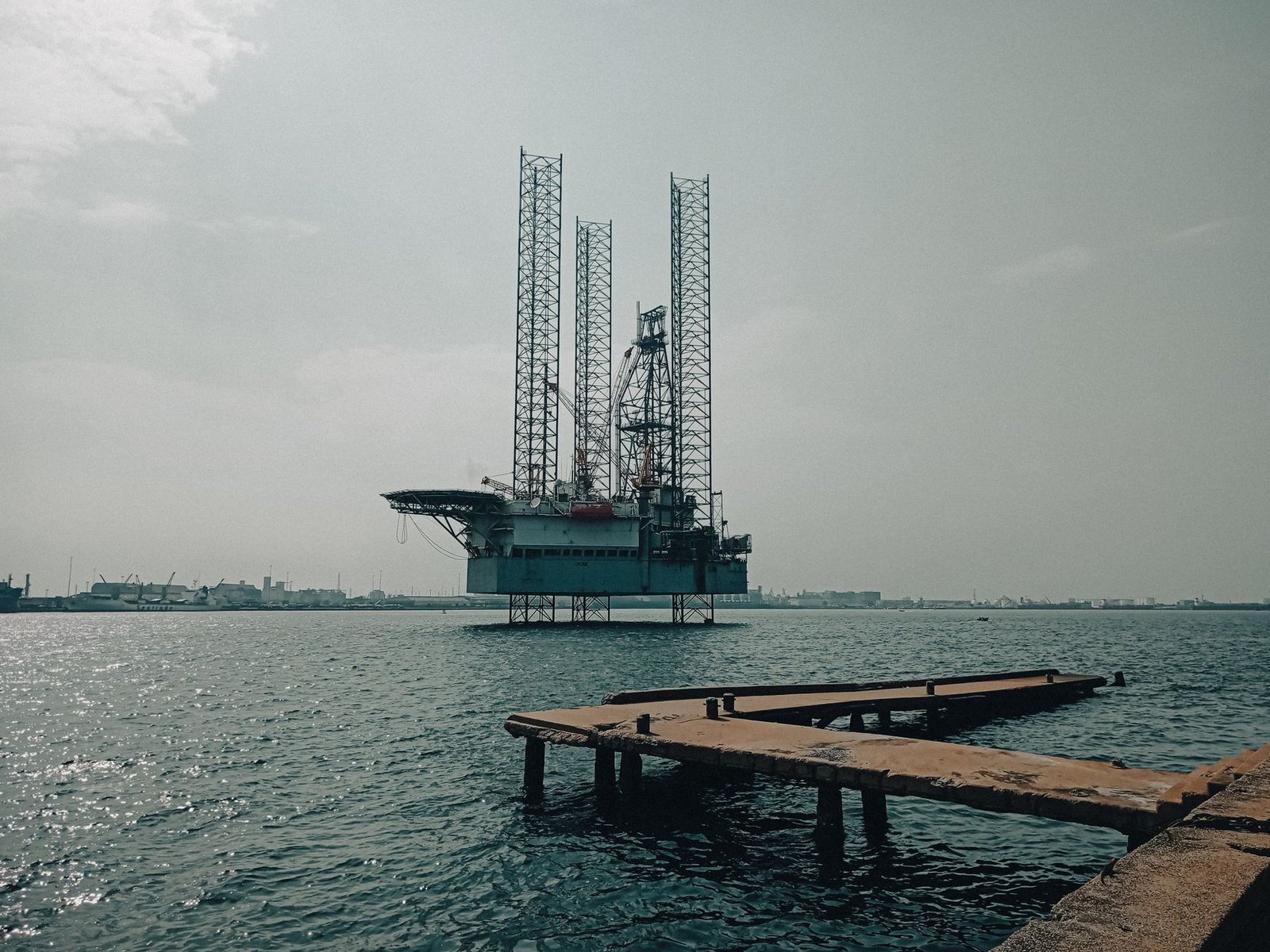
The highly anticipated return of Shell to Gabon marks a pivotal moment for the nation’s petroleum industry. A decade after its initial departure, the Anglo-Dutch energy giant is poised to recommit to Gabon’s sedimentary basin, a move that aligns with Libreville’s aggressive strategy to counteract a persistent decline in hydrocarbon output. This significant announcement, made amidst ongoing political reforms, clearly signals the authorities’ commitment to attracting global investors and revitalizing the sector.
Back in 2016, Shell had finalized its exit from Gabon, divesting its onshore assets to Assala Energy, a venture then under the control of the Carlyle fund. This multi-million dollar transaction was part of a broader global portfolio restructuring for the group, which at the time was prioritizing projects deemed more lucrative, particularly in liquefied natural gas and deepwater exploration. Shell’s departure had left a notable void, as Gabon lost one of its long-standing and historically significant operators.
A strategic political signal for Gabon’s oil industry
Shell’s re-entry unfolds under the leadership of President Brice Clotaire Oligui Nguema, who assumed power following the August 2023 transition and was subsequently affirmed by electoral processes. In recent months, Gabonese authorities have diligently worked to enhance the upstream framework’s appeal. Measures include a comprehensive revision of the hydrocarbons code, the launch of new block allocation cycles, and bilateral discussions with various major energy companies. This multi-pronged strategy aims to reverse a production trend that hovers around 200,000 barrels per day, a stark contrast to the historical peaks achieved in the late 1990s.
For Shell, the decision to return is not merely coincidental. The company, which had previously opted to shed mature assets considered non-strategic, is now recalibrating its perspective on the African continent. The scarcity of major onshore discoveries, mounting pressure on ultra-deepwater exploration costs, and the ongoing search for medium-term oil growth drivers are reshaping the priorities of major energy firms. In this evolving landscape, the Gabonese basin, with its remaining potential in deep offshore and around pre-salt structures, has regained considerable attractiveness.
Libreville’s push to reignite declining production
Petroleum production remains Gabon’s primary source of foreign exchange, historically contributing over 40% to national budget revenues and nearly 80% of its exports. However, the gradual depletion of mature fields, coupled with a cautious investment climate in recent years, has destabilized this crucial balance. The authorities are now banking on the return of prominent industry players to bolster exploration efforts and extend the operational lifespan of existing deposits.
Several international companies have already expressed renewed interest in the country. The national oil entity, Gabon Oil Company (GOC), is simultaneously expanding its role in asset governance as existing contracts mature or undergo renegotiation. Within this framework, Shell’s return could potentially involve partnerships with other operators already established locally, such as Perenco, TotalEnergies, or BW Energy, all of whom have solidified their positions on offshore blocks.
Strategic comeback: details yet to be defined
The precise terms of the major’s redeployment are still awaiting clarification, encompassing the scope of targeted blocks, the engagement timeline, investment figures, and the contractual model. The nature of the permits Shell aims for, whether onshore or in deepwater, will dictate the scale of its return. A significant deep offshore presence would necessitate commitments totaling hundreds of millions of dollars, whereas a strategy focused on mature assets would likely involve a more cautious approach, primarily geared towards optimizing existing production.
Beyond the specifics of Shell’s case, the credibility of Gabon’s revamped oil policy is truly at stake. Libreville’s ability to translate these announcements into concrete, effective investments, especially within a highly competitive environment where Nigeria, Angola, Namibia, and Senegal are actively vying for major capital, will determine the sector’s trajectory over the next decade. In this regard, the return of the Anglo-Dutch company serves as a crucial real-world test for the new administration.