Gabon’s extractive sector faces decline amid oil struggles and manganese growth
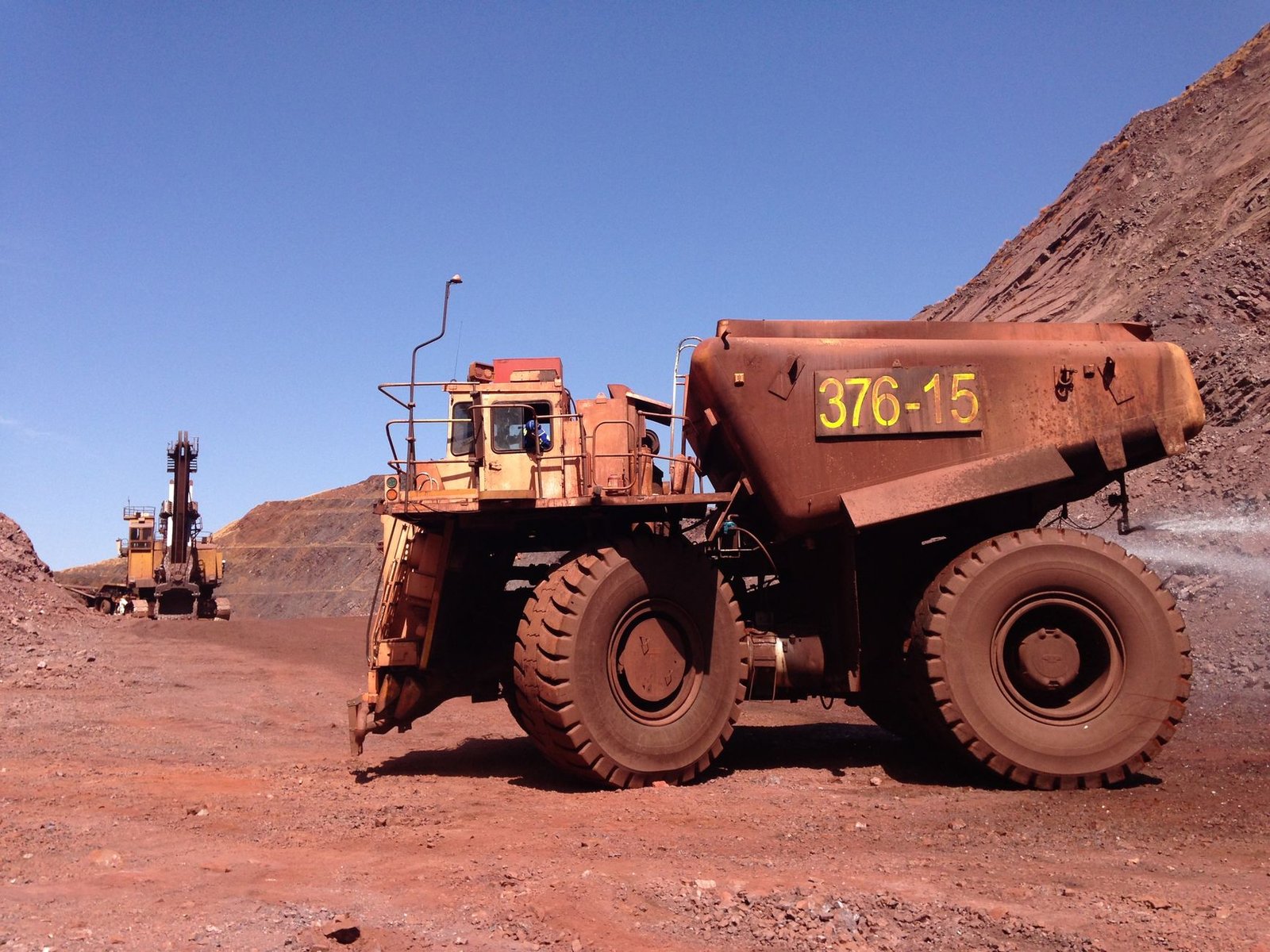
The extractive industries of Gabon kicked off 2026 with mixed results. Overall sector activity shrank by 2.9%, driven primarily by a downturn in hydrocarbons, while the manganese sector maintained its upward momentum. This assessment, based on findings from the sectoral economic outlook report by the Directorate-General for Economy and Fiscal Policy (DGEPF), highlights Gabon’s lingering structural dependence on its oil sector for economic stability.
A shrinking Gabonese extractive sector weighed down by oil decline
The hydrocarbon sector’s decline has cast a long shadow over Gabon’s extractive industries. In Libreville, crude production has faltered for several quarters due to aging mature fields, prolonged maintenance at key facilities, and upstream investment that struggles to offset the natural depletion of reserves. The 2.9% contraction in extractive activity during the first quarter of 2026 underscores this persistent erosion, particularly as oil remains Gabon’s top export revenue source.
Government officials are closely monitoring these trends, as the national budget remains highly vulnerable to fluctuations in production volumes and global oil prices. The underperformance in hydrocarbons coincides with a regional shift, as international majors redirect investment toward basins deemed more profitable or less depleted. Gabon’s sedimentary basin, once the backbone of its economy, now faces intensified competition for exploration and production capital.
Manganese emerges as a stabilizing force in Gabon’s shifting economy
Amid the hydrocarbon downturn, the mining sector has acted as a buffer. Manganese, of which Gabon ranks among the world’s leading producers, continued to post steady gains during the period under review. This growth aligns with a decade-long upward trend in manganese demand, fueled by Asia’s steel industry and the rising need for next-generation battery components, particularly in cathodes.
The mineral’s increasing contribution to Gabon’s extractive value-added reflects a gradual rebalancing of its mining portfolio. Authorities are betting on manganese as a strategic asset to diversify revenue streams and promote local processing through agglomeration and silicomanganese production. These efforts aim to capture greater value within the country rather than exporting raw ore—a strategy now mirrored by other mineral-rich nations in Central and West Africa.
Diversification and local production sovereignty take center stage
The DGEPF’s findings underscore a critical challenge for Gabon’s transitional leadership. The country’s dual reliance—on hydrocarbons for budgetary income and on foreign markets for mineral exports—demands a stronger resilience strategy. The growing involvement of the Société Équatoriale des Mines (SEM), which holds stakes in multiple projects, signals a push to strengthen national control over key segments of the value chain.
Yet, the path to reviving the oil sector remains unclear. Strategies under consideration include new offshore bidding rounds, modernizing contractual frameworks, and tax incentives for exploration. However, the time lag between discovery and production—often exceeding five years—means policymakers must adopt a medium-term perspective.
Ultimately, Gabon faces a delicate balancing act: boosting hydrocarbon output to stabilize short-term budgets, solidifying the manganese sector to secure steady mineral rents, and preparing for a post-oil future through local processing and economic diversification. The first-quarter 2026 results serve as a reminder that this high-wire act leaves little room for missteps.