Faso Mêbo initiative: patriotic duty or a call for double taxation?
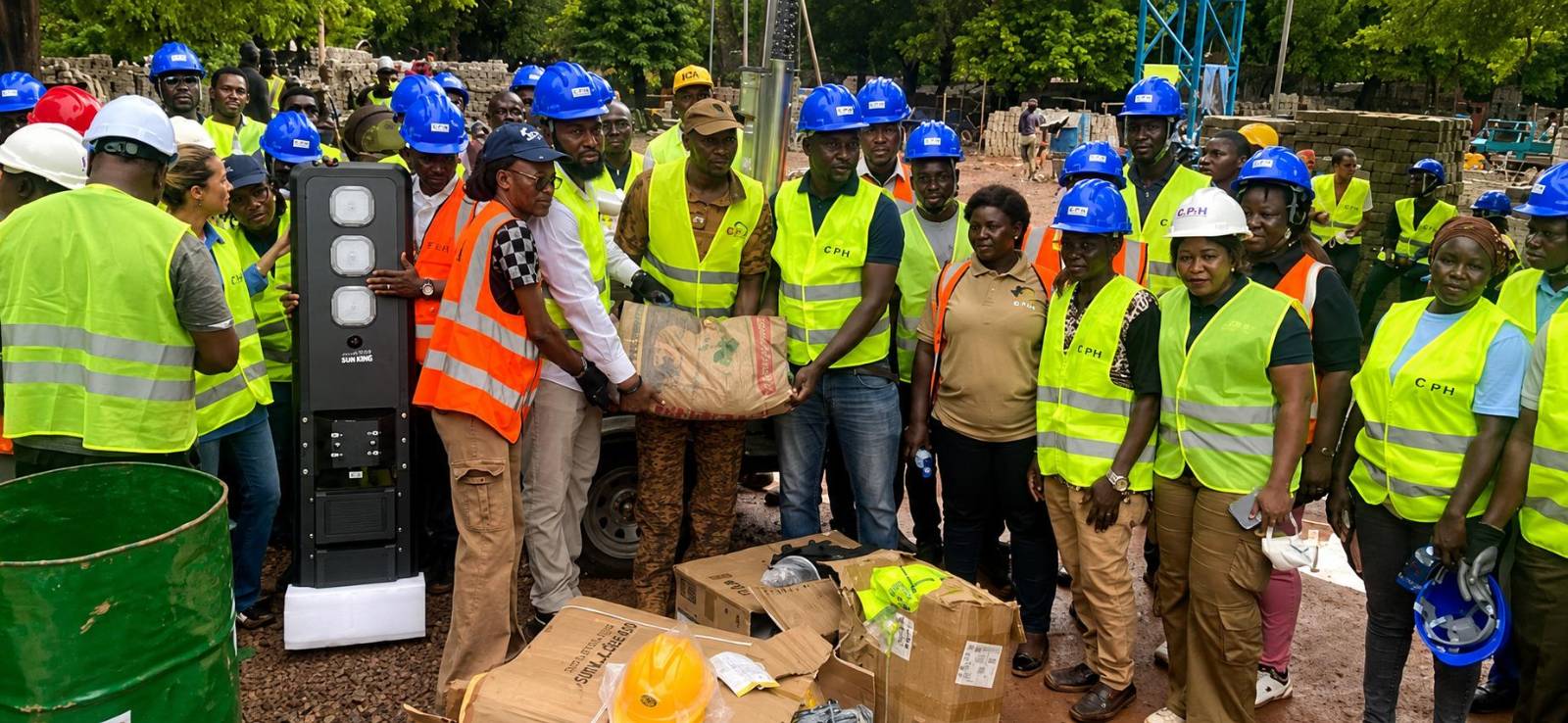
While Burkina Faso’s Ministry of Economy and Finance frequently extols the over 261 million FCFA already amassed by May 15, 2026, under the banner of the « Faso Mêbo » initiative, a profound question now reverberates across public opinion. This latest popular fundraising drive: is it a genuine surge of patriotism, or does it, in fact, border on an institutionalized form of double taxation? This debate is a key point of discussion in African politics and governance Africa.
For many citizens and astute observers, the sentiment is unequivocally stark. They contend that a citizen’s foremost duty in the construction, security, and advancement of their nation is inherently fulfilled through a crucial and mandatory civic act: the payment of taxes and levies. On this front, the Burkinabè people have already demonstrated exemplary fiscal responsibility. Despite a particularly challenging economic environment, marked by persistent inflation and widespread insecurity, taxpayers consistently meet their financial obligations, thereby continuously replenishing state coffers. This commitment is a testament to the resilience of society Africa.
The illusion of voluntary contributions
Launching a voluntary subscription initiative like Faso Mêbo, critics argue, effectively casts a veil over the state’s fundamental responsibility in the meticulous management of public funds. If the existing taxes—already perceived as burdensome—are intended to finance national defense, vital infrastructure, and essential public services, then the practical purpose of these additional, parallel collections remains ambiguous, raising serious questions about governance Africa.
Some individuals now openly characterize this operation as a « moral deception », suggesting it leverages patriotic sentiment and civic guilt among the populace to mask underlying budgetary shortfalls or an inefficient allocation of fundamental tax revenues. To compel citizens to effectively pay twice for the same essential state services is, in essence, an undeclared form of double taxation, a contentious issue frequently debated in African politics.
An urgent call for transparency
While the civic dedication of the Burkinabè people is beyond dispute, their patience has discernible limits. Financing national development through special deposit accounts and digital platforms that operate outside the official state budget introduces a lack of clarity that significantly fuels public skepticism. This situation is often highlighted in independent African journalism, making it important Africa news English.
The true foundation of a nation is not built upon perpetual fundraising campaigns resembling a national tontine scheme. Rather, it is forged through the rigorous, transparent, and equitable management of the taxes that every citizen already proudly contributes. It is imperative that the state relies on its established national budget instead of indefinitely soliciting further contributions from the pockets of an already heavily burdened populace. This is a critical perspective frequently discussed in African Tribune news.