Eastern DRC’s enduring conflict: a year after the RDC-Rwanda peace accord, a fragile status quo persists
The eastern Democratic Republic of Congo has witnessed a significant escalation in hostilities over recent months, with renewed clashes between Kinshasa’s forces and rebels from the March 23 Movement (M23). This resurgence of violence unfolds against the backdrop of an ongoing Ebola epidemic. Remarkably, these intense confrontations occur a full year after a peace agreement was formally signed in Washington, a ceremony attended by United States Secretary of State Marco Rubio alongside his Congolese and Rwandan counterparts.

The Democratic Republic of Congo, a nation scarred by three decades of relentless conflict, is grappling with a fresh surge of violence. This latest instability stems from the 2021 re-emergence of the M23, an armed group that the United Nations has identified as receiving military backing from Rwanda. This situation highlights the complex nature of African politics and governance Africa in the Great Lakes region.
On April 9, 2025, a crucial step towards de-escalation was taken. Following a high-level meeting between Congolese President Félix Tshisekedi and Rwandan President Paul Kagame, negotiations commenced in Doha. These discussions involved the Alliance Fleuve Congo, recognized as the political wing of the M23, and the Congolese government, with Qatar acting as a mediator.
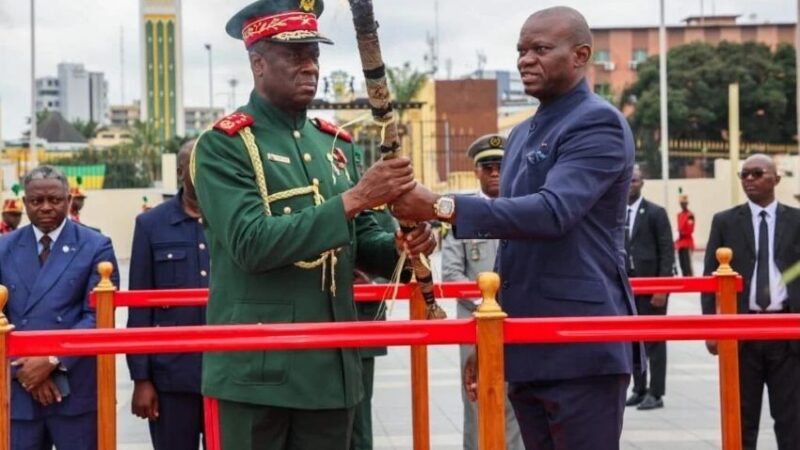
Simultaneously, the United States spearheaded separate diplomatic efforts aimed at forging a comprehensive peace accord between the Democratic Republic of Congo and Rwanda. After several months of intensive deliberations, a landmark agreement was ultimately formalized on June 27, 2025, between Kigali and Kinshasa. The signing ceremony was notably attended by American Secretary of State Marco Rubio, emphasizing international commitment to stability in society Africa.
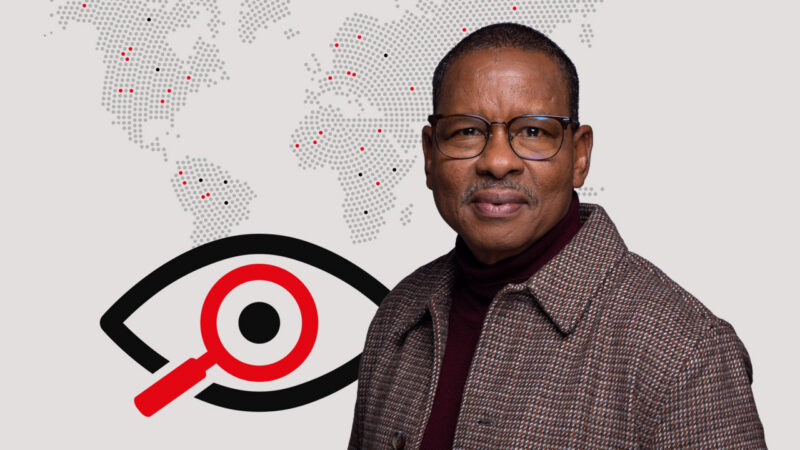
Despite the promising accord, the situation on the ground in the region has settled into a “statu quo,” as observed by Bob Kabamba, a distinguished political scientist at the University of Liège. He points out that the territorial gains seized by the M23 rebellion remain firmly under its control. Furthermore, both the Congolese government forces and the M23 continue to engage in exchanges of fire, frequently violating the established ceasefire.
Professor Kabamba further highlights that, even with the peace agreement in place, the M23 persists in recruiting new combatants. “Within this dynamic,” he explains, “it is currently the rebellion that holds the dominant position.” He concludes that “this prevailing balance of power on the ground will ultimately determine the ability of all parties to advance their respective agendas” in the future, underscoring the challenges to effective governance Africa.