controversy brews over Diomaye Faye and Macky Sall meeting in Senegal
The upcoming meeting between Senegalese President Bassirou Diomaye Faye and his predecessor Macky Sall has ignited fierce backlash from families of victims of political repression during Sall’s tenure. These families, still awaiting justice and reparations, view the encounter as untimely and deeply unjust.
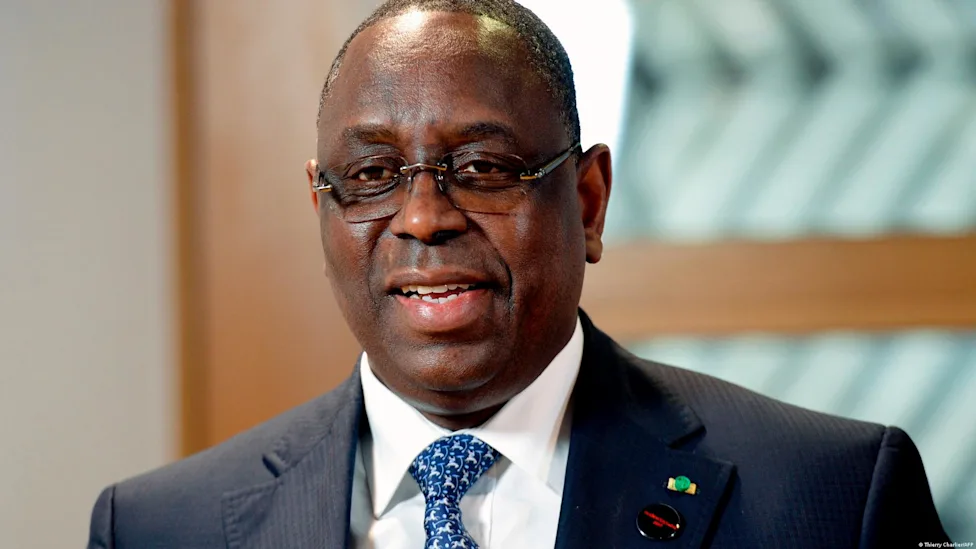
Why is this meeting drawing such strong reactions? What impact could it have on Senegal’s political landscape? Analyst Assane Samb weighs in on the significance of this encounter in the current context.
Analyst Assane Samb on the meeting’s implications
Assane Samb explains that while some voices are protesting, the meeting itself was inevitable given the political climate in Senegal today.
Context of political repression
The controversy stems from the period between 2021 and 2024, when clashes erupted between protesters and security forces. Human rights organizations like Amnesty International have accused the state of failing to protect citizens’ rights to peaceful assembly.
Political polarization risks
Analysts warn that the meeting could deepen political divisions, especially as fears grow over Macky Sall’s potential return to influence. While international observers may applaud the gesture, internally, it risks exacerbating tensions between opposing factions.
The encounter also raises questions about the balance between diplomatic obligations and the demands of justice from the president’s political base. Faye, once hesitant to publicly support Sall, now appears unapologetic about the meeting.
Could Macky Sall’s UN candidacy fuel further division?
The timing of Sall’s UN Secretary-General bid adds another layer of complexity. While some African leaders may support his candidacy, critics argue it could reignite old wounds and further polarize Senegalese politics.
As the nation grapples with these tensions, the meeting between Faye and Sall serves as a stark reminder of the unresolved grievances left in the wake of political repression.