Published today at 7:30 PM Reading time: 6 minutes.
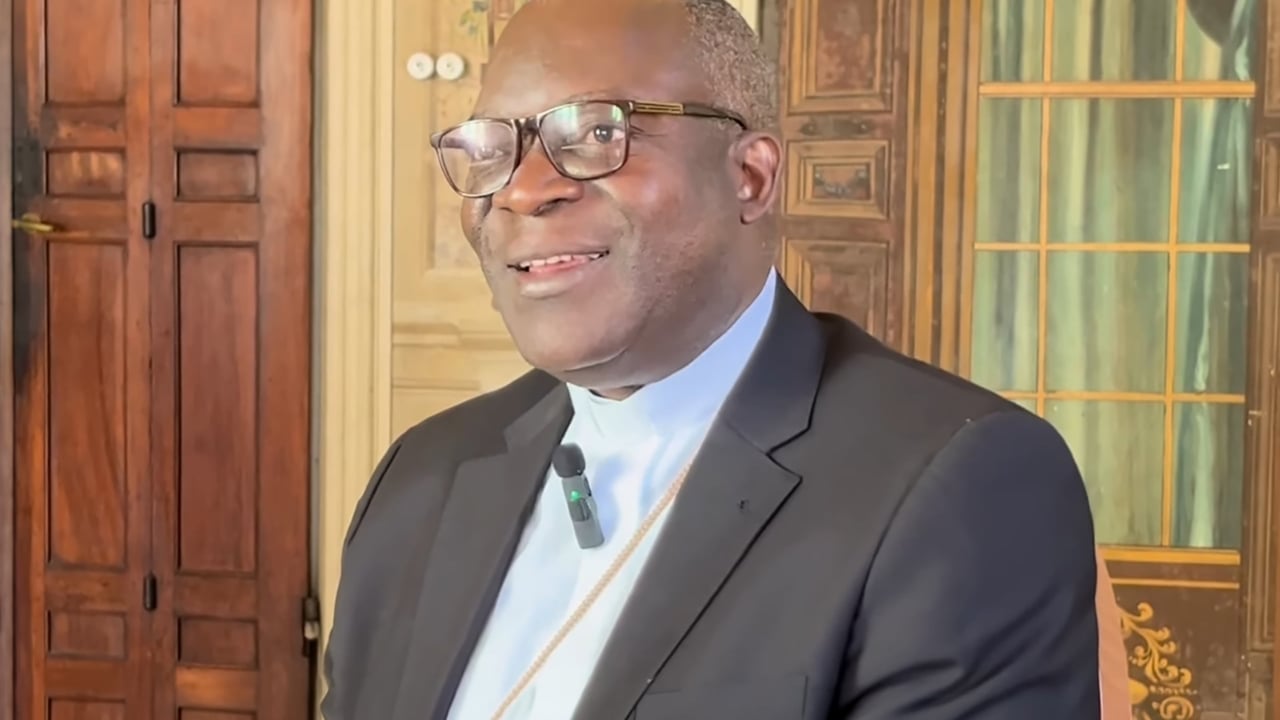
Bishop Fulgence Muteba (Cenco) slams planned referendum amid national crisis
In a bold critique of the Democratic Republic of Congo’s political trajectory, Bishop Fulgence Muteba, President of the National Episcopal Conference of Congo (Cenco), has forcefully opposed the proposed constitutional referendum. His stance hinges on the argument that the country’s current security challenges render such a process not only inappropriate but potentially destabilizing.
The prelate emphasized that elections and institutional reforms must take a backseat to the urgent need for peace, particularly in regions ravaged by ongoing conflict. Muteba’s position underscores a deepening divide between government ambitions and grassroots realities, where security concerns continue to overshadow development and governance discussions.
A referendum in wartime: Why the timing is deeply problematic
The National Episcopal Conference of Congo, the country’s leading Catholic authority, has emerged as a vocal critic of the referendum proposal, arguing that it risks exacerbating tensions rather than strengthening democracy. Bishop Muteba’s remarks reflect widespread skepticism about the government’s commitment to inclusive dialogue, especially as armed groups continue to destabilize eastern provinces.
«The country is at war, and a referendum under these conditions would be ill-advised,» Muteba stated. His warning highlights concerns that the referendum could serve as a distraction from the critical task of restoring security and fostering national reconciliation.
The Cenco’s role in shaping Congo’s future
The National Episcopal Conference of Congo has long positioned itself as a moral compass in the DRC, advocating for transparency and accountability in governance. Bishop Muteba’s intervention adds weight to growing public unease about the referendum’s timing and intent, particularly among civil society groups and opposition figures.
- Security first: The Cenco insists that the government prioritize peacebuilding efforts before pursuing constitutional changes.
- Inclusivity matters: The referendum’s proponents have yet to demonstrate how it will engage communities most affected by conflict.
- Long-term stability: Critics argue that rushing constitutional reforms could undermine trust in state institutions during a fragile period.
Public reaction and political fallout
The Bishop’s comments have sparked debate across political and social circles, with some praising the Cenco for its principled stance while others question the feasibility of delaying constitutional processes indefinitely. Meanwhile, the government has yet to formally respond to the criticism, leaving citizens to weigh the risks of proceeding with a referendum in such a volatile environment.
The DRC’s ongoing security crisis—marked by clashes between government forces and rebel factions—continues to dominate national discourse. As Bishop Muteba’s remarks reverberate through the country, the question remains: Can constitutional reforms realistically occur without first addressing the root causes of instability?