The political landscape of Sénégal has once again turned its gaze toward the presidency of Macky Sall with the public unveiling of a new book by Oumar Demba Bâ, his former diplomatic advisor. Held in Dakar, the event brought together politicians, diplomats, and analysts eager to explore the inner workings of presidential governance from 2012 to 2024. The most anticipated moment? A compelling testimony from Me Aïssata Tall Sall, who served as Senegal’s top diplomat during the final years of Sall’s tenure.
An insider’s account of Sénégal’s presidential diplomacy
Oumar Demba Bâ operated in the quiet corners of the presidential palace, shaping Sénégal’s stance on critical regional and global issues. His role as Macky Sall’s diplomatic advisor involved navigating everything from Economic Community of West African States (ECOWAS) negotiations to Sahel mediation efforts, all while representing Dakar at high-level summits in Addis Ababa, New York, and Paris. Now, his book offers readers a rare glimpse into the decision-making processes that defined a dozen years of Senegalese politics.
This publication is part of a broader trend in West Africa, where outgoing officials are documenting their experiences in office. While still a relatively new phenomenon in the region’s political culture, such works provide invaluable institutional memory for diplomats, researchers, and incoming policymakers tasked with managing inherited challenges.
Me Aïssata Tall Sall’s revelations on Senegalese foreign policy
During the book launch, Me Aïssata Tall Sall shared pivotal insights into how Macky Sall approached international relations. As the country’s foreign minister during his final term, she emphasized the close working relationship between the president and his diplomatic advisor. According to her, Oumar Demba Bâ acted as a pivotal yet discreet liaison between Sall and Senegal’s foreign partners, orchestrating key diplomatic moves behind the scenes.
Her recollections delve into several high-stakes cases handled by Dakar, including Sénégal’s 2022 presidency of the African Union and the nation’s delicate balancing act amid crises in Mali and Burkina Faso. Me Tall Sall also highlighted the methodical precision of her former colleague, portraying him as a quiet architect of Senegal’s international positioning. These accounts lend the book a documentary weight beyond personal memoir, offering readers a clearer picture of the forces shaping Senegal’s diplomacy.
Preserving legacy amid a shifting political climate
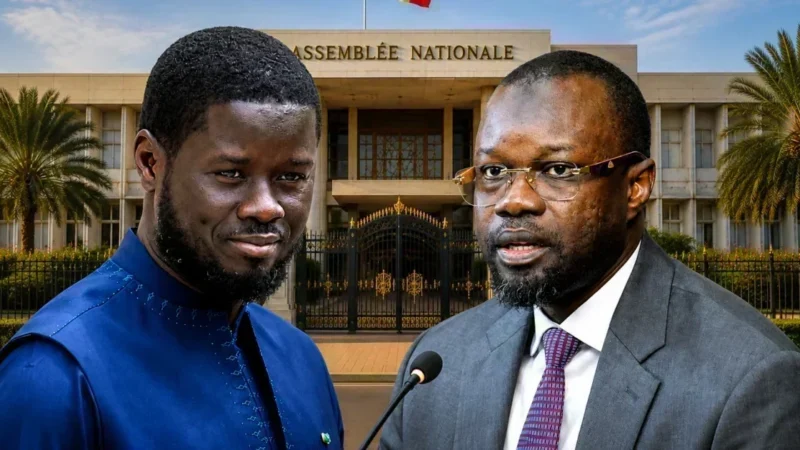
The book’s release coincides with a period of intense scrutiny over the previous administration’s policies. Since Bassirou Diomaye Faye assumed office in April 2024, probes into public finances and strategic contracts from Macky Sall’s era have intensified. In this charged atmosphere, the words of former officials like Oumar Demba Bâ and Me Aïssata Tall Sall carry significant weight, drawing attention from both political circles and civil society in Sénégal.
While the book does not aim to settle scores, early readers describe it as a nuanced effort to contextualize Sall’s diplomatic legacy. The author defends his former boss’s foreign policy decisions while acknowledging the constraints and trade-offs that shaped them. This approach mirrors the post-tenure reflections of advisors in other African nations, such as Ivory Coast, where outgoing leaders often publish their accounts to influence historical narratives.
The book’s dual role—as both a historical record and a strategic intervention—has sparked curiosity among analysts. It signals that former leaders are not retreating from public discourse but instead leveraging intellectual contributions to shape ongoing debates about the past decade’s governance. How the Senegalese public and regional diplomats receive these revelations remains to be seen, particularly as discussions about the last decade’s leadership choices remain highly polarized in the country.