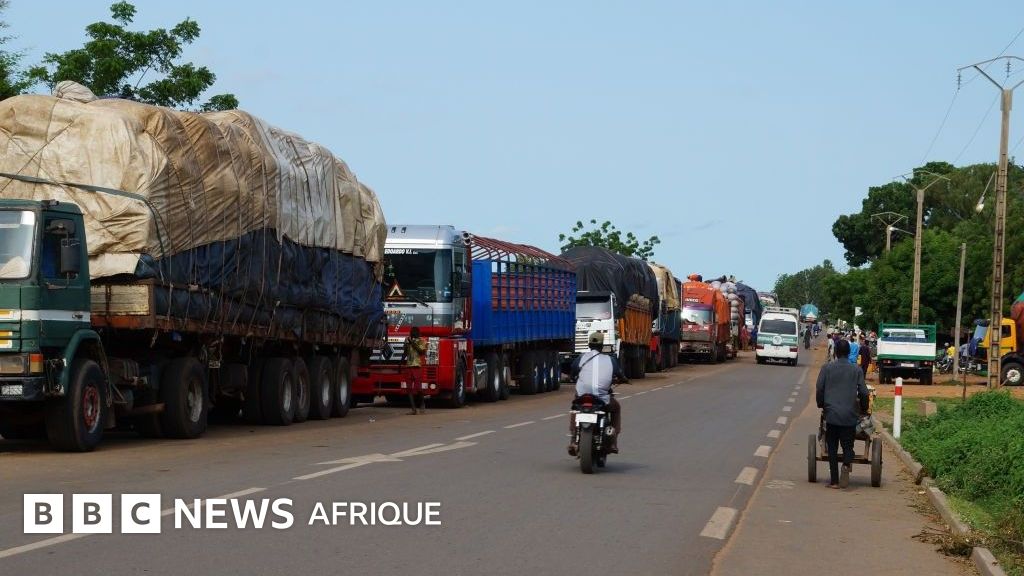
A historic thaw is unfolding between Niamey and Cotonou as both nations take decisive steps toward reopening their shared border, shuttered since July 2023.
Key breakthroughs emerge after decisive diplomatic talks
After three years of strained relations that crippled cross-border trade and strained bilateral cooperation, Niger and Benin have reached a pivotal moment. A high-level delegation from Niamey, led by Interior Minister General Mohamed Toumba, engaged in intensive negotiations with Beninese officials over two days in Cotonou, culminating in significant progress on multiple fronts.
The meetings produced agreements in principle on critical issues including:
- Enhanced security cooperation to address cross-border threats and terrorist activities
- Tax exemptions for transit goods to stimulate trade flows
- Restrictions on the consumption of certain prohibited goods
- Fee revisions for customs and administrative charges
- Resolution of outstanding disputes that have impeded relations
General Toumba emphasized the transformative potential of these developments, stating, “We have secured security as our top priority. We have also laid the foundations for economic and legal normalization that will create value for our economies, security for our populations, and hope for our youth.”

A new chapter begins under Benin’s leadership
The momentum for reconciliation gained unprecedented traction following Benin’s presidential transition in April. Just one week after assuming office, President Romuald Wadagni embarked on an official visit to Niamey on June 2, marking the first step in thawing relations that had remained frozen since 2023.
This diplomatic initiative quickly bore fruit. Within three weeks, both governments were implementing the commitments outlined in their joint communiqué, including the establishment of a mixed commission tasked with examining the events that led to the 2023 border closure. Their stated objective: to dismantle all barriers obstructing enhanced bilateral cooperation.
Benin’s Industry and Trade Minister, Oleshegun Adjadi Bakari, expressed optimism about the outcomes: “After 48 hours of intensive discussions, we emerge not as two delegations, but as one united team with a singular purpose: to rekindle the centuries-old bond between our peoples.”
The agreed frameworks must now receive final approval from both governments before implementation, but the path forward appears clear.
Understanding the roots of a three-year impasse

The deterioration in relations between Benin and Niger began in July 2023 following the military takeover in Niamey that brought General Abdourahmane Tiani to power. The new regime accused Benin’s former administration of plotting a military intervention through the Economic Community of West African States (ECOWAS) to restore constitutional order in Niger.
Niger’s military leadership repeatedly alleged that Benin was hosting French military personnel preparing for an invasion, an accusation both Cotonou and Paris consistently denied. These tensions were exacerbated by sanctions imposed by ECOWAS, including border closures that further strained relations.
The crisis deepened with mutual accusations of supporting armed groups operating in Niger and involvement in failed coup attempts against Benin’s government in December 2023. These escalating tensions transformed what was once a vital commercial corridor into a geopolitical fracture line.
Economic toll reveals the human cost of division
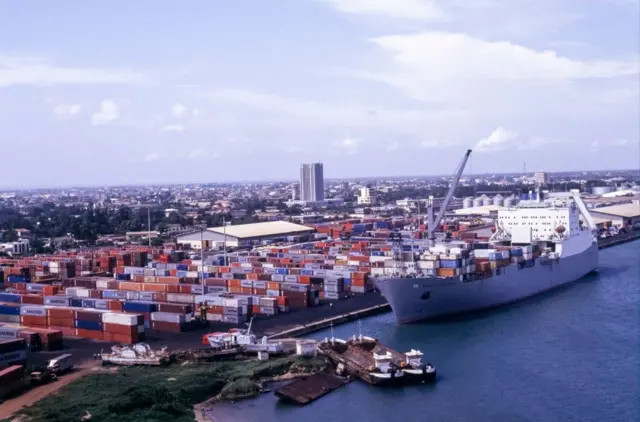
The closure of this strategic border has devastated economies on both sides. As a landlocked nation, Niger relies heavily on Cotonou’s port for international trade. The prolonged restriction has paralyzed commerce, disrupted economic activity, and forced traders to seek costly alternatives.
Ibrahim Abou Koura, a transporter based in Cotonou, described the crisis’s human impact: “It’s the people who suffer most.” His warehouse, once bustling with goods destined for Nigerian cities, now stands nearly empty.
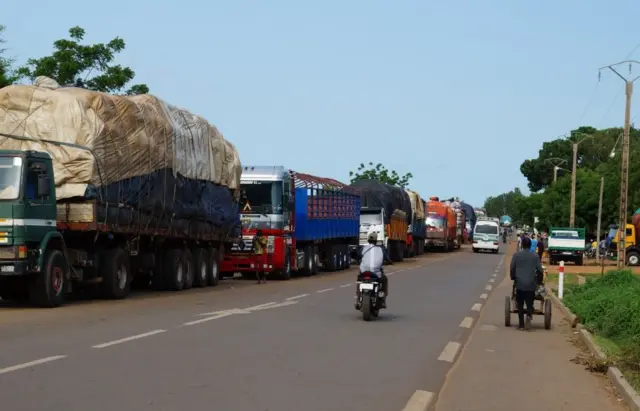
Gamatie Mahamadou, Secretary-General of Nigerian truck drivers, noted that the Niger-Benin corridor was historically the safest, most profitable, and shortest route for transporters and businesses. Its closure has forced Nigerian drivers to take longer, riskier routes through Burkina Faso, where they face daily threats from jihadist attacks.
The economic consequences extend beyond trade disruptions:
- Cotonou Port experienced severe revenue losses as Niger redirected its petroleum exports to Lomé’s port
- The 2,000km pipeline connecting Niger’s oil fields to Benin was suspended, further crippling Niger’s energy sector
- Border communities lost access to essential goods, particularly cereals, exacerbating food security challenges
As both nations now stand on the brink of restoring their historic partnership, the promise of renewed economic vitality and strengthened regional cooperation offers hope for millions whose livelihoods depend on this critical cross-border relationship.