Chad inches closer to a single-party rule amid opposition crackdown
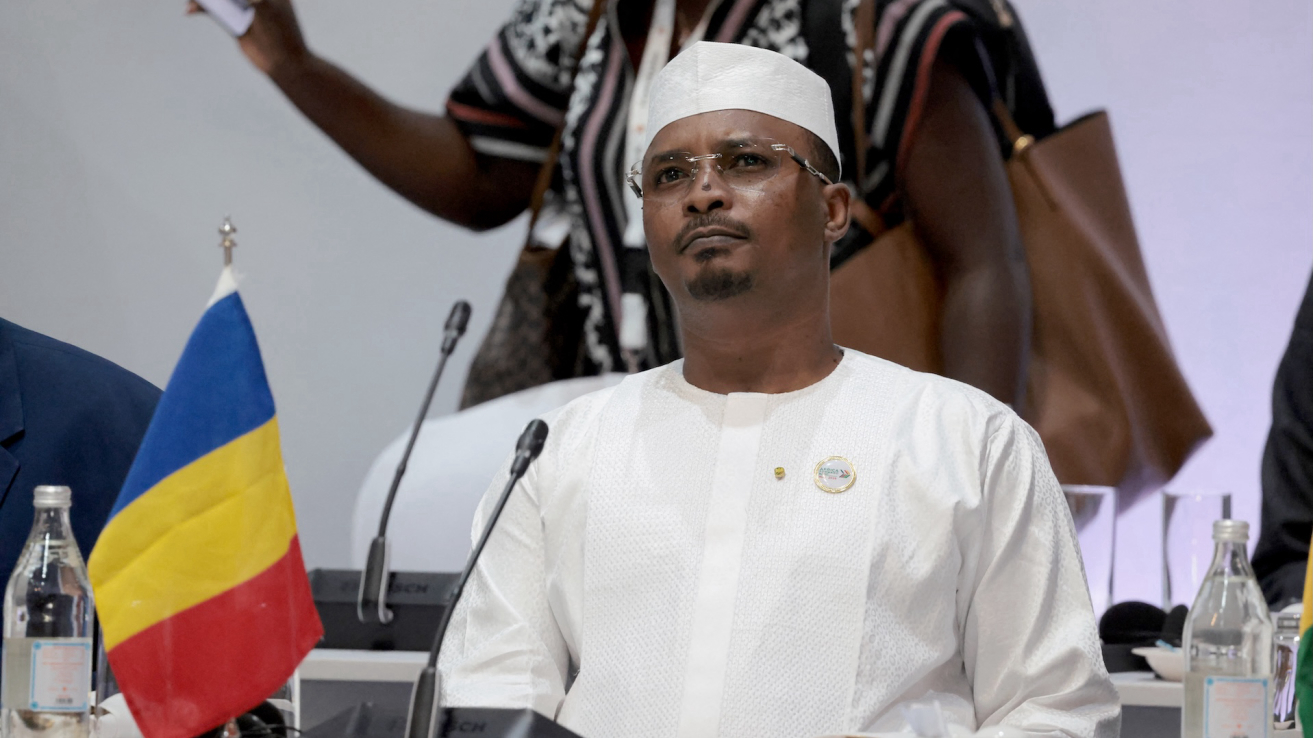
Chad’s slide toward authoritarianism: opposition leaders jailed as single-party risks rise
Authorities tighten grip on dissent with harsh sentences and coalition dissolutions
In a move that underscores Chad’s accelerating descent into authoritarianism, eight opposition leaders were sentenced to eight years in prison this month for planning a demonstration against governance failures. Their coalition, the Groupe de concertation des acteurs politiques (GCAP), had intended to hold a protest on May 2, but their arrest two weeks prior effectively silenced their demands for accountability.
The crackdown reached a new low when, just days before their sentencing on May 7, Chad’s Supreme Court dissolved the GCAP entirely—the country’s most prominent opposition alliance. These developments follow the August 2025 conviction of Succès Masra, leader of the Transformers Party and a leading opposition figure, who received a 20-year prison term on charges of “inciting hatred.” With the opposition now decimated, the ruling Mouvement patriotique du salut (MPS), led by President Mahamat Idriss Déby, faces virtually no credible challenge.
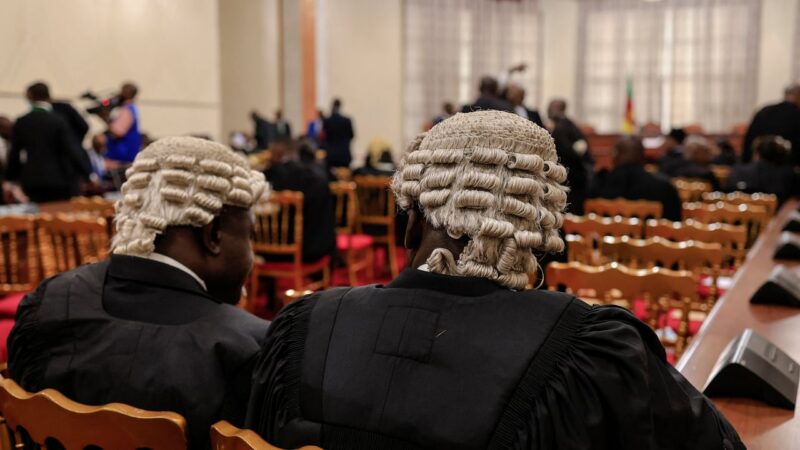
Public protests have been systematically banned for over six years, with brutal crackdowns becoming routine. The most violent episode occurred in October 2022, when security forces killed approximately 200 demonstrators and left countless others injured or detained. The arrest and trial of the GCAP leaders—conducted in a rushed process—have raised further alarms about the judiciary’s role in silencing dissent. Their lawyers condemn the lack of formal charges, arguing the accusations of criminal association, insurrection, rebellion, and illegal arms possession are baseless and politically motivated.
The international community has not remained silent. The United Nations has reiterated the need to uphold fundamental rights, including freedom of expression, association, and peaceful assembly, in line with Chad’s human rights obligations. Yet the government’s response has only intensified, with lethal force becoming normalized even in minor incidents.
On April 29, armed assailants attacked a gathering celebrating the eighth anniversary of the Transformers Party, killing one activist, critically injuring two others, and abducting and torturing the party’s treasurer. While authorities claimed to be investigating the incident, such violence has become disturbingly common in recent years.
The erosion of civic space and suppression of opposition voices have worsened since the 2021 political transition following the death of former President Idriss Déby Itno. The country now risks reverting to the dark days of single-party rule under leaders like François Tombalbaye (1960–1975) and Hissène Habré (1982–1990), when only regime-aligned parties were permitted. These parties served as propaganda tools, monopolizing public discourse and stifling dissent.
Under Déby Itno’s 30-year rule (1990–2021), elections were routinely disputed, and constitutional amendments repeatedly removed presidential term limits, consolidating power. His own death came amid clashes with rebels attempting to overthrow him—a fate shared by Tombalbaye and Habré, both victims of coups. Since gaining independence in 1960, Chad has been trapped in a cycle of violent coups, insurgencies, and chronic instability that has scarred its society.
In a troubling sign, less than three years after adopting a new constitution through an inclusive national dialogue, Parliament amended it in October 2025 to extend presidential terms to seven years. This move further entrenches the ruling party’s dominance, signaling little commitment to democratic pluralism.
For Chad to break free from this authoritarian drift, urgent action is required. Restoring dialogue between the regime, opposition parties, and civil society is critical to protecting fundamental freedoms of association and expression. Safeguarding judicial independence and upholding the separation of powers are equally vital to prevent the judiciary from becoming an instrument of repression.
Security forces must adopt proportionate measures during protests, revising crowd control doctrines, enhancing training, and allowing oversight by human rights organizations. Failure to do so risks fueling public frustration, particularly among youth, and could radicalize segments of the population already disillusioned by years of repression. The potential for escalation in clashes remains a grave concern.
With domestic dissent effectively neutralized, regional and international bodies—including the African Union, Economic Community of Central African States, and United Nations—must renew their calls for inclusive dialogue. Their engagement played a key role in supporting Chad’s transition back to constitutional order; now, their pressure is needed more than ever to prevent a slide back into single-party authoritarianism.