Cameroun’s 2027 budget gap hinges on new IMF deal
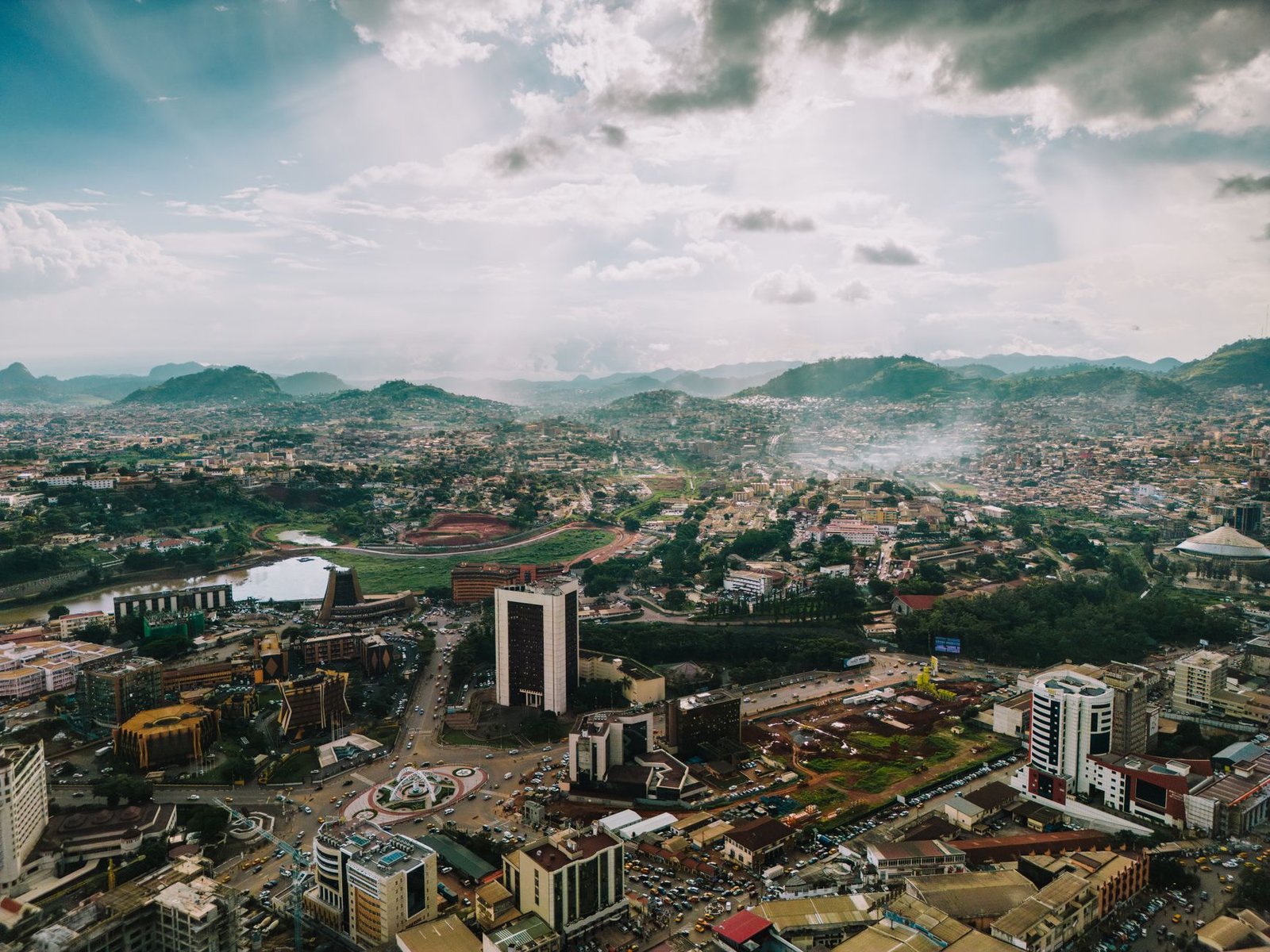
Cameroon’s upcoming three-year budget framework for 2027-2029 places renewed negotiations with the International Monetary Fund (IMF) at the heart of its financial strategy. The Ministry of Finance’s Medium-Term Economic and Budgetary Programming Document, submitted to Parliament during the budget orientation debate, anticipates 300 billion Central African CFA francs in funding contingent on a fresh agreement with the Washington-based institution. This amount represents nearly 9.5% of the projected financing needs for 2027, which total 3,161.5 billion CFA francs.
The stakes are high. The previous IMF program, finalized in 2021 and extended by one year, concluded in July 2025. Since then, Finance Minister Louis Paul Motazé has repeatedly advocated for a new accord, as reiterated during the cabinet meeting on October 30, 2025. While the Prime Minister has deferred the formal decision to open negotiations to the presidency, including the future IMF support in the three-year framework signals that the executive is treating it as the baseline scenario.
Financing shortfall tied to IMF program
Cameroon’s projected 2027 budget deficit stands at 1,018 billion CFA francs, up from an expected 808.5 billion in 2026. Nearly 30% of this shortfall could be covered by IMF-backed support if an agreement is reached. Additional financial pressures include 2,143.5 billion CFA francs in financing and treasury charges, primarily driven by debt repayments and arrears clearance. Outstanding financial debt alone accounts for 1,602.5 billion CFA francs.
To balance the books, the government plans to mobilize 866.7 billion CFA francs through project loans, 400 billion from public bond issuances, 250 billion from direct bank financing, and 131.5 billion from withdrawals at the Bank of Central African States (BEAC). A new external borrowing of 1,000 billion CFA francs is also envisaged for 2027, mirroring a similar operation planned for 2026. The document explicitly labels the absence of an IMF agreement as a “major risk” to medium-term fiscal sustainability.
Without an IMF program, the Treasury would need to bridge the 300 billion CFA francs shortfall through additional borrowing, intensified domestic resource mobilization, or expenditure adjustments. However, the Ministry of Finance notes rising borrowing costs, persistent high interest rates, and the still-nascent state of the CEMAC domestic financial market. These constraints limit the feasibility of quickly replacing concessional support with commercial debt.
IMF agreement boosts confidence among other lenders
A fresh IMF program does more than provide direct funding—it acts as a catalyst for support from the World Bank, African Development Bank (AfDB), European Union, and bilateral partners. These creditors often tie their financial assistance to the implementation of reforms and adherence to macroeconomic targets validated under the IMF program framework.
Between 2017 and 2025, Cameroon leveraged two IMF programs to secure approximately 2,600 billion CFA francs in budgetary support, combining IMF disbursements with associated contributions from other partners. As Louis Paul Motazé warned, “we would lose those funds if a new program is not concluded.” The government also aims to expand the non-oil tax base, modernize revenue collection agencies, and streamline recurrent spending to prioritize investment.
A regional hurdle before Washington’s approval
Cameroon’s progress remains tied to broader developments within the Central African Economic and Monetary Community (CEMAC). In the region, IMF-supported national programs require regional assurances on monetary policy, foreign exchange reserve replenishment, and alignment of member states’ fiscal trajectories.
The review of common CEMAC policies, originally scheduled for December 2025, has been postponed. Authorities cite insufficient alignment of national fiscal policies with regional strategy and incomplete agreements on reform-linked guarantees. While this regional validation is a prerequisite, it does not guarantee a bilateral deal between Cameroon and the IMF.
The timing is critical. By earmarking 300 billion CFA francs of IMF-linked support in its 2027 financing plan, Cameroon’s executive is tying part of its fiscal credibility to the negotiation outcome. Prolonged delays would force greater reliance on commercial debt or spending cuts, undermining investment ambitions. The government’s strategy leaves little room for maneuver.