Burkina Faso’s military leadership rejects EU scrutiny amid rights concerns
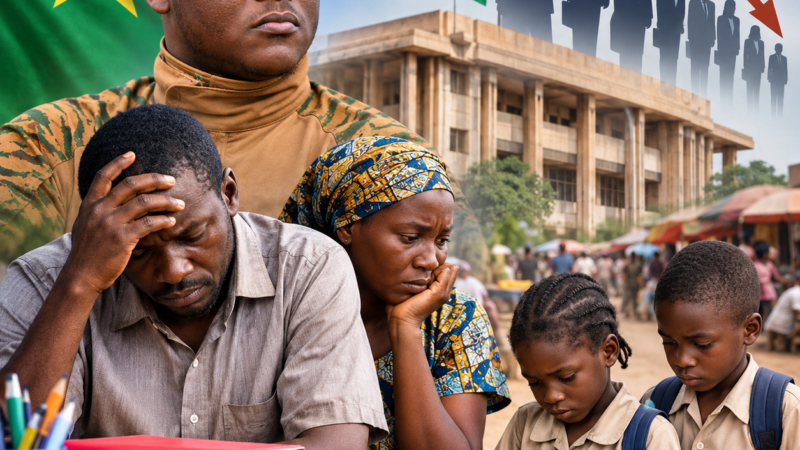
In the wake of a European Parliament resolution critiquing human rights and public liberties in Burkina Faso, the nation’s post-coup government has opted for diplomatic confrontation rather than engagement. Authorities in Ouagadougou summoned the European Union’s representative to voice their disapproval of the resolution, signaling a hardening stance toward international oversight.
Diplomatic tensions escalate over human rights scrutiny
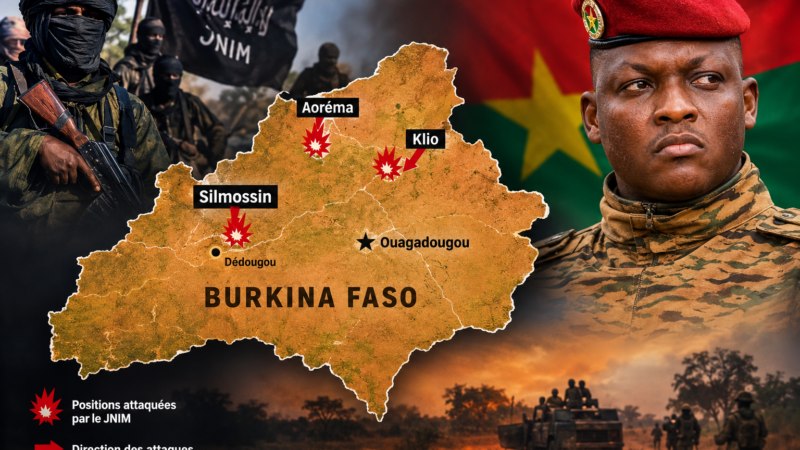
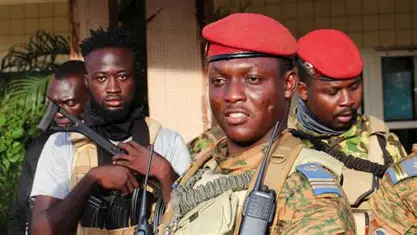
The military-led administration, which seized power in September 2022, has consistently defended its record, citing territorial stabilization and economic progress under Captain Ibrahim Traoré’s leadership. However, critics argue that an invitation to European lawmakers to witness these developments firsthand would be far more persuasive than protesting the resolution.
A fact-finding mission by European deputies could provide tangible evidence to counter international skepticism. While Ouagadougou emphasizes its achievements in reclaiming sovereignty and launching major infrastructure projects, independent observers continue to highlight persistent insecurity in certain regions, as well as concerns over fundamental freedoms and humanitarian conditions.
Calls for transparency amid conflicting narratives
The European Parliament’s resolution is rooted in assessments from the United Nations, human rights organizations, and other credible entities. The crux of the matter lies in verifying the government’s claims: Are the touted security and economic gains robust enough to withstand independent scrutiny? An official visit by European legislators could offer impartial insights into this critical question.
Rather than dismissing external evaluations, Ouagadougou could leverage such visits to showcase its progress and address concerns through concrete evidence. The choice between confrontation and transparency will shape Burkina Faso’s international standing in the months ahead.