Burkina Faso’s cattle blockade sparks economic and social tensions ahead of Tabaski
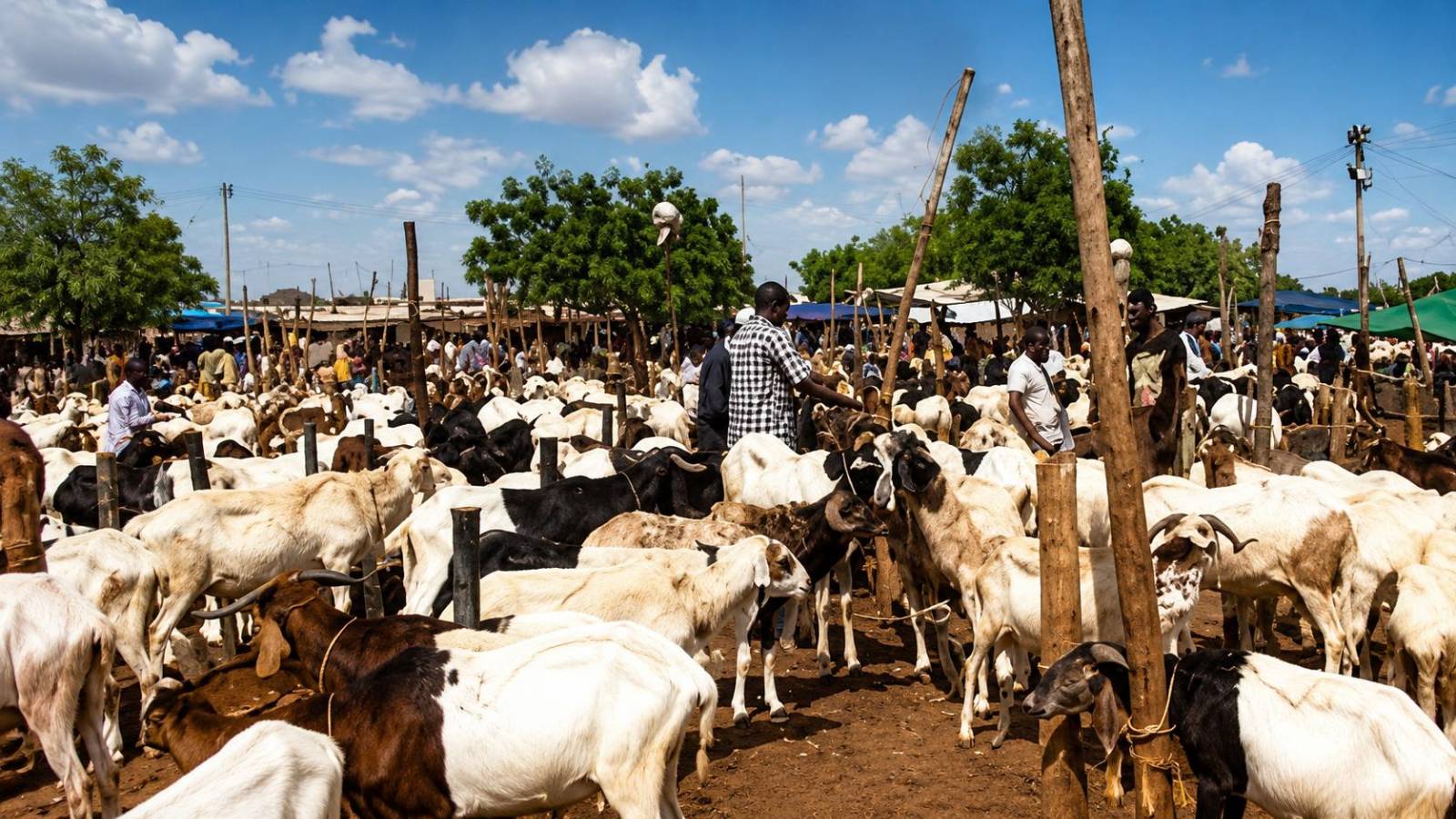
The Burkinabè government has taken a bold stance by halting cattle exports in the run-up to Tabaski, prioritizing local consumer needs over regional market dynamics. While the move is socially driven, its economic repercussions are far from straightforward, carrying both risks and contradictions.
The uneven burden: urban relief vs rural hardship
At its core, this policy aims to ease pressures on city dwellers—particularly in Ouagadougou—by driving down sheep prices for families preparing for Tabaski. Yet, the cost of this generosity falls squarely on rural livestock farmers, already grappling with insecurity, cattle theft, and shrinking grazing lands due to the ongoing security crisis. By cutting off access to lucrative export markets like Côte d’Ivoire and Bénin, where these producers traditionally earn their highest returns, the state further impoverishes an already vulnerable rural population. In essence, the holiday celebrations of urban citizens are being subsidized at the expense of the countryside’s economic survival.
Can Burkina Faso absorb its own cattle surplus?
The government’s assumption—that domestic demand alone can absorb the cattle supply—ignores critical realities. Tabaski is a fleeting event, and once festivities conclude, what happens to the remaining livestock? Cattle are a perishable asset requiring daily investment in feed and care. If farmers cannot sell their animals within Burkina Faso—or worse, are forced to sell at a loss—the livestock sector faces severe financial suffocation in the coming months. While the state’s push to modernize abattoirs and boost local processing is a strategic long-term vision, current infrastructure is ill-equipped to handle such a sudden influx of animals.
Regional tensions rise as Burkina Faso isolates itself economically
This decision underscores Burkina Faso’s willingness to disrupt long-standing economic partnerships in the name of immediate self-reliance. By severing cattle exports to neighbors like Côte d’Ivoire and Bénin, Ouagadougou is wielding livestock as a bargaining chip in a high-stakes political game. Yet, trade cuts both ways: as Burkina Faso tightens its grip, its neighbors are already seeking alternatives. Côte d’Ivoire, for instance, is turning to Mauritania to fill the gap. Over time, this strategy risks permanently eroding Burkina Faso’s hold on critical regional markets. More broadly, it highlights the fragility of West African economic integration, where the pursuit of short-term self-sufficiency trumps the stability of shared trade agreements. Economically, this gamble is perilous—jeopardizing farmer livelihoods, destabilizing the sector, and further isolating the country from its natural trade partners.