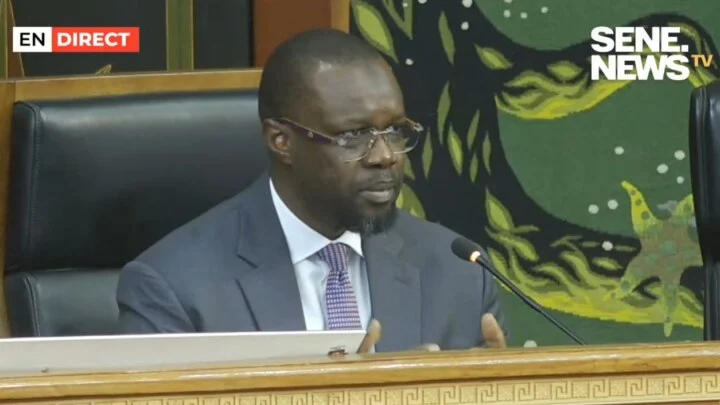
Ousmane Sonko explains the underlying reasons for his split with Bassirou Diomaye Faye
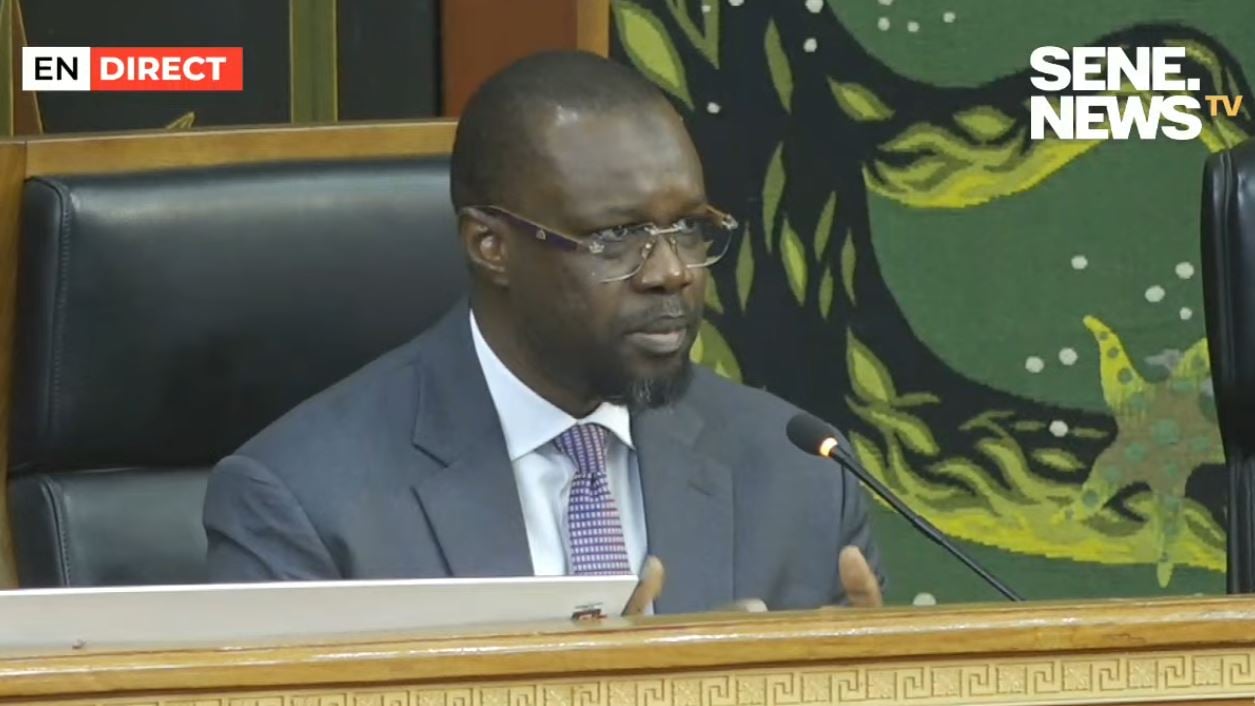
Ousmane Sonko explains the underlying reasons for his split with Bassirou Diomaye Faye
Recently appointed as the head of the National Assembly, Ousmane Sonko has shed light on the motivations behind his political distancing from Bassirou Diomaye Faye. Through a philosophical lens, he examined the core tenets of governance and advocated for a return to ethical standards to safeguard the Republic.
Shortly after his departure from the Prime Minister’s office and his election to lead the National Assembly, Ousmane Sonko delivered a significant address to explain the deep-seated causes of his political separation from President Bassirou Diomaye Faye. The former head of government framed the discussion around a fundamental concept: the ultimate purpose of power rather than its mere acquisition.
In a detailed speech rich with historical and philosophical references, the political leader declined to characterize recent executive tensions as simple personal friction. He asserted that the current situation involves issues far greater than individuals, focusing instead on the essential connection between morality and political life. Drawing on the teachings of Aristote, Sonko noted that politics serves as the “highest art” when its goal is the collective welfare. He emphasized that a society cannot endure if its leadership moves away from integrity and the public interest.
Continuing this line of thought, the former Prime Minister revisited the political history of Sénégal by referencing the iconic leader Mamadou Dia. He pointed out that since the early days of independence, Mamadou Dia had cautioned against blurring the lines between the State and the private interests of those in power. For Sonko, true sovereignty must be moral, economic, and social, not just a matter of political status. He remarked that a nation might possess a flag, an anthem, and formal institutions while still being undermined by practices that strip the Republic of its true meaning, reflecting on the vulnerability of African states to the decay of public ethics.
During his address, Ousmane Sonko also offered a broader analysis of modern political instability. He argued that a country does not fail solely because of economic hardship, but also due to a “moral fatigue.” When institutions stop serving the citizenry and instead become tools for personal gain or convenience, the core spirit of the Republic is threatened. Without making explicit accusations, the new President of the National Assembly indicated that the disagreements leading to his split with the Head of State are rooted in fundamental differences regarding governance and the ethical principles of leadership.