Burkina Faso closes sunni mosque amid growing religious tensions
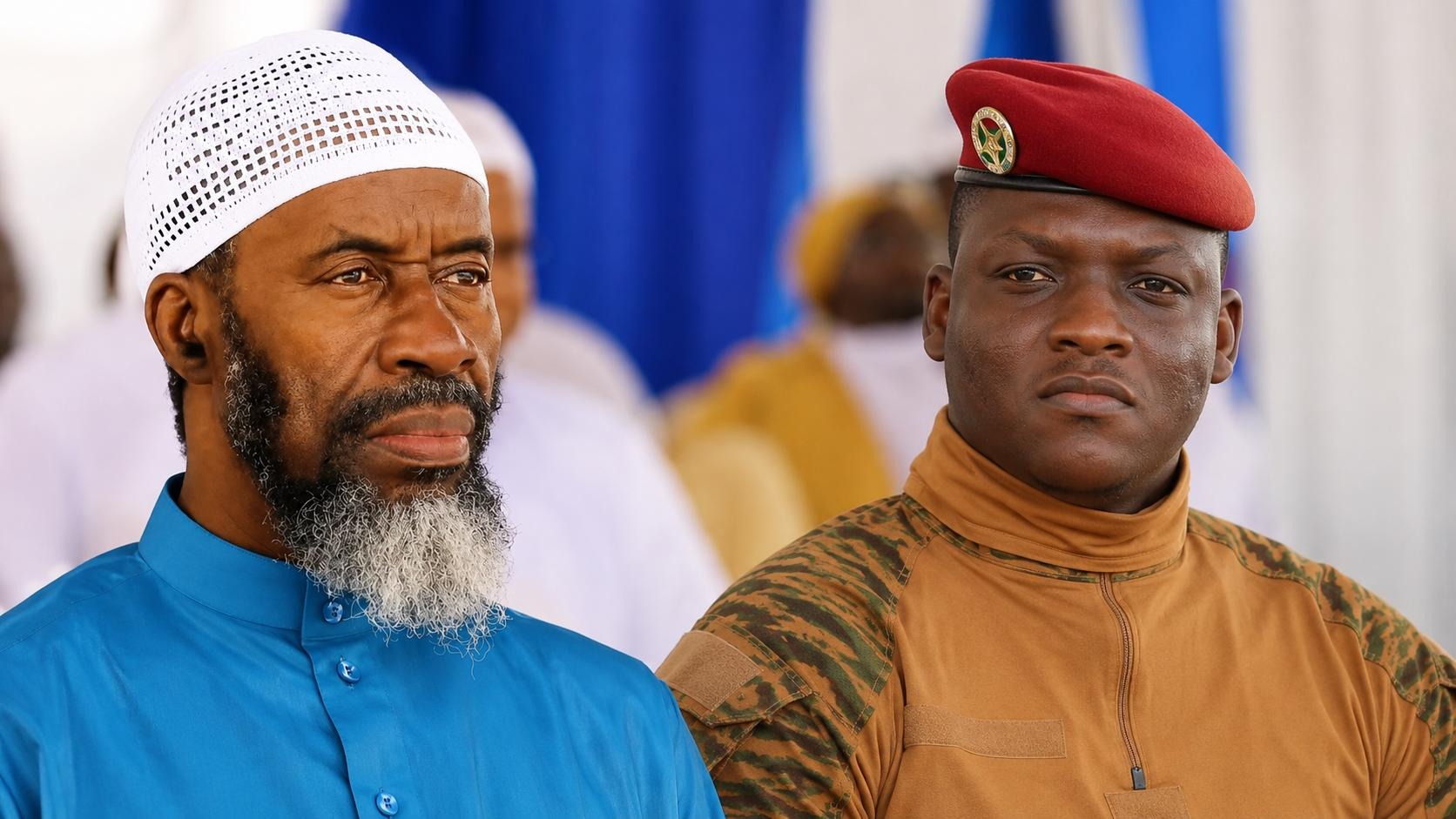
When political allies become targets: the controversial closure of Ouagadougou’s sunni mosque
The regional governor’s decision to shut down a prominent sunni mosque in the heart of Ouagadougou has sent shockwaves through Burkina Faso’s public sphere. While authorities justify the move as a necessary step to prevent public disturbances, critics argue that the timing and methods used reflect a concerning misstep in governance amid a nation already on edge.
Issued on May 28, 2026, the decree mandates the immediate sealing of the mosque under the pretext of safeguarding public order. Yet the move raises serious questions about the long-term strategy of the current administration, particularly its relationship with the religious communities that once formed the bedrock of its legitimacy.
A partnership built on faith—and now on shaky ground
To understand the depth of the controversy, one must look back at Burkina Faso’s recent political evolution. During periods of transition and consolidation, the ruling authorities leaned heavily on religious and civil society networks. The sunni community, known for its organizational strength and grassroots influence, became an invaluable source of popular support.
By blending appeals to faith, patriotism, and a shared sense of moral purpose, leaders successfully converted places of worship into platforms for political endorsement. Worshippers, believing they were contributing to national stability, now find themselves at the receiving end of a harsh irony: the very institutions that amplified their voices are now being locked down by the same leaders they helped elevate.
“To mobilize a faith-based community for political gain, only to criminalize its spiritual spaces at the first sign of dissent, is a gamble no nation can afford—least of all Burkina Faso in its current state.”
Unintended consequences of a hasty decision
Burkina Faso is navigating a complex crisis where social cohesion is the last line of defense. Against this backdrop, targeting a key religious institution is not just ill-advised—it risks deepening divisions. Rather than easing tensions, the abrupt closure risks fueling resentment and a sense of betrayal among worshippers, potentially driving discontent underground where it becomes harder to manage.
The rushed nature of the administrative action underscores a troubling lack of judgment regarding the country’s fragile social fabric. When a government severs a community’s spiritual anchor under the guise of preventing disorder, it may inadvertently plant the seeds of future unrest.
From repression to reconciliation: a call for dialogue
While security remains a sovereign duty, justice must be applied fairly and inclusively. The law loses its moral authority when it is wielded selectively against those who once placed their trust in promises of inclusive governance. Burkina Faso’s leaders would do well to remember that lasting stability is built not through exclusion, but through open, honest engagement with all segments of society—especially those who have historically stood by the state.
Continuing down a path of coercion risks alienating a vital segment of the population and reinforcing perceptions of political opportunism. The immediate suspension of the mosque closure decree is essential, followed by genuine dialogue with religious and community leaders before the rift between citizens and the state becomes irreversible.