How Côte d’Ivoire’s ruling party is stirring tensions within the PDCI
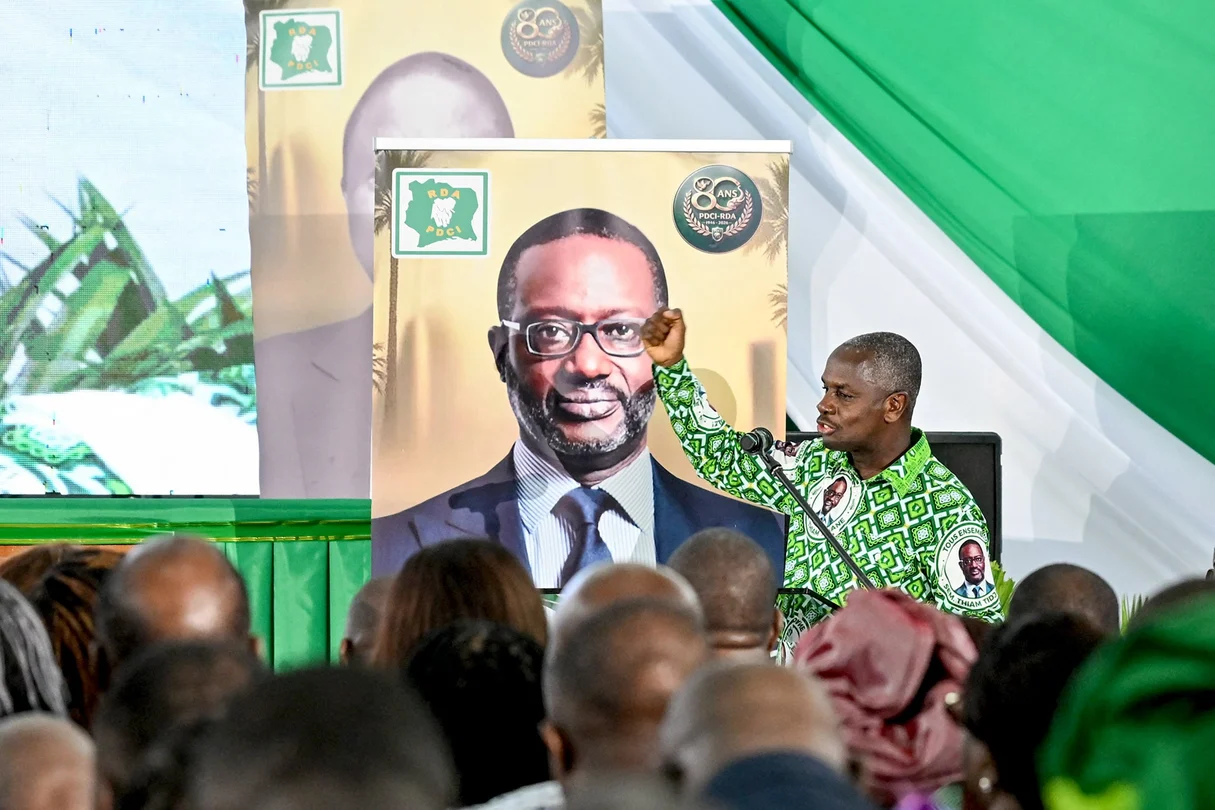
The Rassemblement des Houphouëtistes pour la Démocratie et la Paix (RHDP), Côte d’Ivoire’s ruling coalition, is facing growing scrutiny over its alleged interference in the affairs of the Parti Démocratique de Côte d’Ivoire (PDCI), led by Tidjane Thiam. Internal sources within the PDCI report that covert negotiations and strategic maneuvers by the RHDP are exacerbating divisions within the opposition party.
Behind-the-scenes maneuvering fuels party tensions
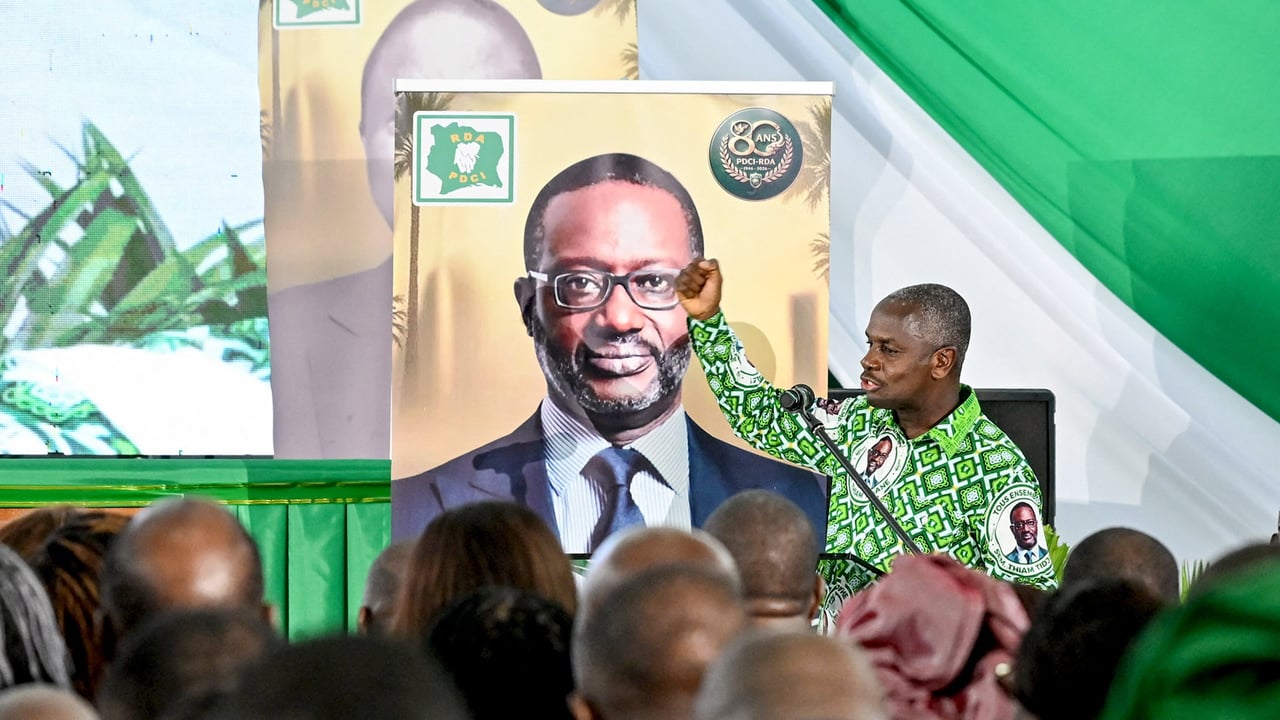
Since April, the PDCI has observed an escalation in clandestine discussions between certain members and representatives of the RHDP. These meetings, described as sensitive, are reportedly aimed at swaying PDCI officials toward aligning with the government’s agenda. The timing coincides with the party’s preparations for its 80th anniversary celebrations, a milestone that has heightened internal debates about the party’s future direction.
Calice Yapo Yapo, the PDCI’s executive secretary, has emerged as a central figure in this unfolding scenario. Observers note that his public statements during the anniversary event in Abidjan reflected a cautious stance, possibly signaling the delicate balance the party is trying to maintain amid external pressures.
Governance in Côte d’Ivoire under the microscope
The unfolding situation raises broader questions about governance in Côte d’Ivoire and the integrity of its political processes. Analysts suggest that the RHDP’s alleged interventions could undermine the PDCI’s autonomy, raising concerns about the health of the country’s democratic landscape. With local and regional implications, the developments are being closely watched by political stakeholders across the West African subregion.
PDCI’s response to external pressures
In response to the growing influence of the RHDP, the PDCI has reiterated its commitment to democratic principles and internal cohesion. Party officials emphasize the need to resist external manipulation while preserving the legacy of its founder, Félix Houphouët-Boigny. The challenge now lies in navigating these turbulent waters without fracturing the party’s base.
What’s next for Côte d’Ivoire’s political landscape?
As the PDCI grapples with these internal and external pressures, the coming months will be critical in determining its trajectory. Will the party manage to consolidate its position, or will the RHDP’s strategies reshape the opposition’s landscape? The answers to these questions could have far-reaching consequences for Côte d’Ivoire’s political future.