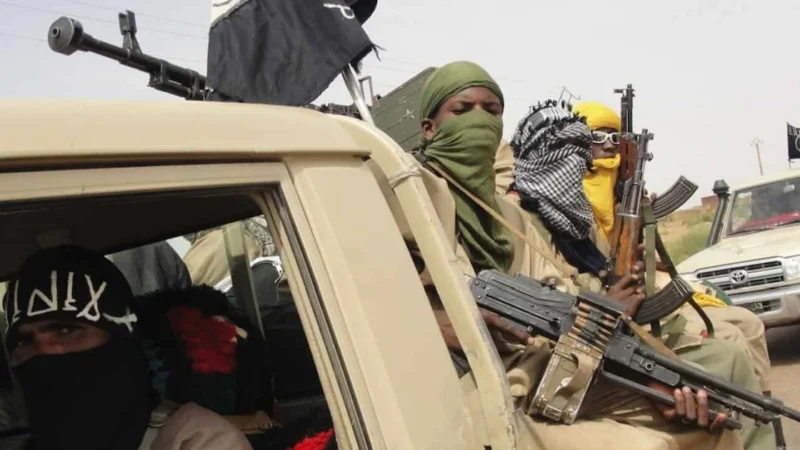
How armed groups in Mali extort gold miners to fund jihadist operations


Gold mining in Mali under threat from jihadist extortion
Mali’s gold fields, once a beacon of economic opportunity for international investors, now face a growing menace. Armed groups linked to the Support Group for Islam and Muslims (Jnim) have intensified their control over mining sites, particularly those operated by Chinese companies. These factions impose de facto taxation, siphoning off revenue that would otherwise bolster local economies and government coffers.
How funding flows from mines to militants
Jnim-affiliated operatives have established a systematic approach to extortion. Small-scale Chinese miners, often working in remote areas with minimal security, become prime targets. The militants demand payments under the guise of “protection fees,” threatening violence if refusals occur. These funds are then redirected toward financing attacks, weapon purchases, and recruitment efforts across Mali and neighboring regions.
In some cases, entire mining operations have been seized, forcing Chinese firms to either comply or abandon their investments. The loss of revenue not only cripples business operations but also disrupts livelihoods for Malian workers employed in these sites.
Impact on Mali’s economy and security
The infiltration of jihadist groups into Mali’s gold sector has far-reaching consequences. Gold exports, a critical component of the national economy, are declining as production slows and investors retreat. The Malian government struggles to counter these incursions, lacking the resources to secure vast, lawless territories where mining thrives.
Local communities bear the brunt of this crisis. Mining towns, once bustling with activity, now face food shortages and rising unemployment as operations grind to a halt. The humanitarian toll is exacerbated by the militants’ use of extorted funds to recruit disenfranchised youth, further destabilizing the region.
Responses from Beijing and Bamako
Chinese authorities have issued warnings to their nationals operating in Mali, urging heightened security measures. Diplomatic channels between China and Mali have intensified, with both governments acknowledging the severity of the threat. However, concrete solutions remain elusive as the militants adapt their tactics to evade countermeasures.
The Malian state, already grappling with multiple insurgencies, faces a daunting challenge. Strengthening military presence around mining zones and collaborating with international partners are among the strategies under consideration. Yet, the road to reclaiming control over these lucrative yet dangerous sites is fraught with obstacles.
What lies ahead for Mali’s gold sector
The future of Mali’s gold industry hinges on decisive action against jihadist exploitation. Without robust security frameworks and economic incentives for miners, the sector’s decline will likely continue. International investors, wary of escalating risks, may redirect their focus to safer markets, leaving Mali’s economy further weakened.
For now, the balance of power remains precarious. The resilience of Mali’s institutions and the determination of its partners will determine whether the country’s gold fields can be reclaimed—or lost entirely to the grip of extremism.