Benin: general Houndégnon’s cassation appeal dismissed, CRIET trial now the only stage left
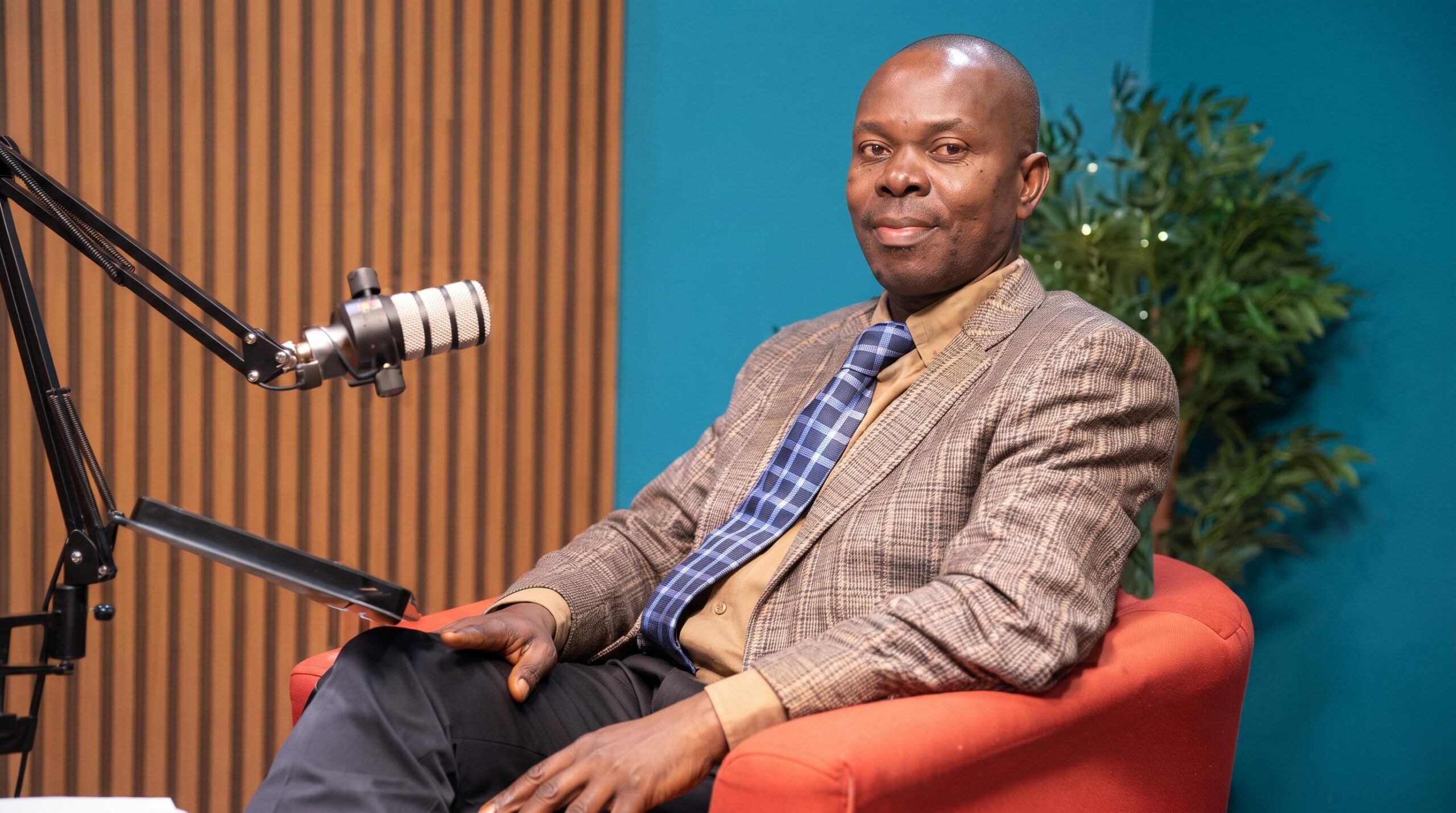
Cotonou — Benin’s highest court has settled the procedural fate of one of the most closely followed cases in the country. On Thursday 24 September 2026, the Supreme Court definitively dismissed the cassation appeal lodged by the lawyers of General Louis Philippe Houndégnon, the former Director General of the National Police.
The bench declared the application admissible in form but rejected it on the merits, upholding the ruling handed down on 19 May 2026 by the appeal chamber of the Court for the Repression of Economic Offences and Terrorism (CRIET). By confirming the jurisdiction of the lower judges, the Supreme Court exhausts the defence’s extraordinary avenues of appeal and clears the way for a trial that now looks imminent.
An eleventh-hour argument that failed to move the judges
One of the accused’s lawyers, Me Fidèle Abouta, was present at the hearing and made a final attempt to turn the case around, arguing that his client’s fundamental rights had been violated from the earliest hours of the proceedings. The argument did not persuade the bench, bringing a definitive end to a jurisdictional standoff that had dragged on for months.
The accusations facing the former head of the national police
At the heart of the case, the Beninese state accuses its former police chief — today one of the most outspoken critics of the authorities — of a series of serious breaches. Three charges anchor the file:
- Incitement to rebellion and civil disobedience, over speeches said to have called for an uprising;
- Harassment by means of electronic communications, linked to the dissemination of sharp messages on social media;
- Breach of the duty of reserve, for disclosing confidential information tied to his former functions.
The matter was first handled under a correctional classification before the CRIET requalified it as a criminal case, on the view that it amounts to an attempt against the security of the state.
What the CRIET trial will now have to decide
With this final rejection, procedural arguments give way to the substantive debate before the CRIET. The central question will be whether the general’s statements fell within the exercise of freedom of expression or amounted to a deliberate effort to destabilise the country’s institutions.