Benin steers African security strategy with cross-border cooperation in New York
- African Security
Benin steers African security strategy with cross-border cooperation in New York
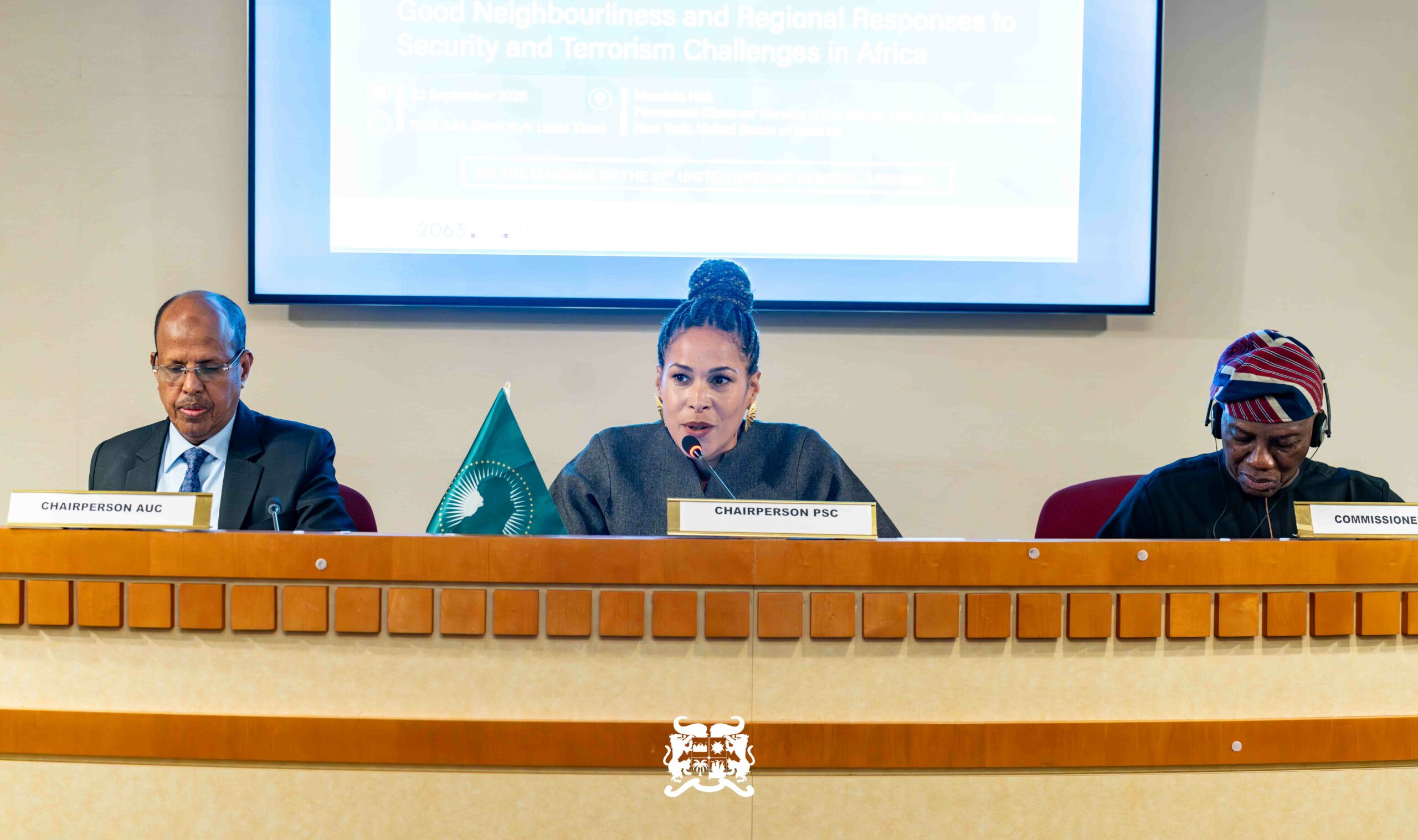
During the 81st session of the United Nations General Assembly in New York, Benin chaired the 1,369th ministerial-level meeting of the African Union Peace and Security Council (PSC) on September 23, 2026. Led by Foreign Minister Corinne Amori Brunet, the session included key figures such as African Union Commission Chairperson Mahmoud Ali Youssouf and AU Commissioner for Political Affairs, Peace and Security Bankole Adeoye.
Focused on the theme “Good neighborliness and regional responses to security and terrorism challenges in Africa,” the meeting brought together representatives from PSC member states, regional organizations, and international partners.
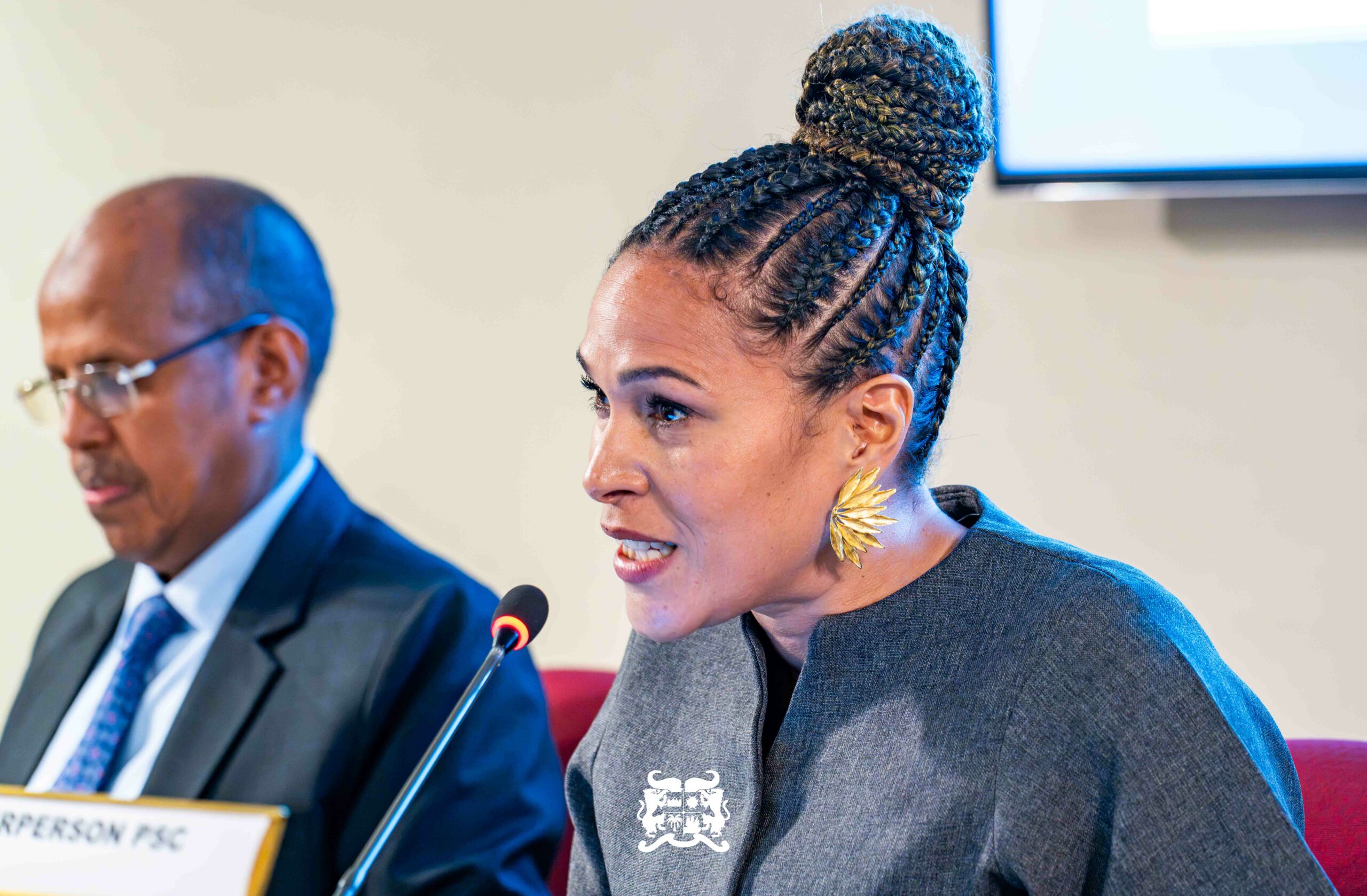
In her opening remarks, the Foreign Minister emphasized that border cooperation lies at the heart of addressing threats that spill across African borders. She noted that while borders define territories and sovereignties, they also serve as vital spaces for life, work, trade, and familial and cultural connections for local populations.
When insecurity takes root along these borders, its impact extends far beyond any single nation. For Benin, fostering good neighborliness means translating cooperation into action: ensuring state presence, enabling rapid information sharing, strengthening security and judicial collaboration, and maintaining legitimate cross-border exchanges that sustain communities.
This approach aligns with the neighborhood diplomacy championed by President Romuald Wadagni, which prioritizes dialogue with neighboring countries, regional security, and cooperation as central pillars of Benin’s foreign policy.
The minister also stressed that cooperation must endure even amid political tensions between states. Benin’s focus is not on creating new frameworks but on optimizing existing mechanisms and tailoring them to the realities of border regions.
The session also highlighted the critical role of communities—especially women—living in border areas. Their deep-rooted knowledge of local conditions and close ties to communities make them essential allies in identifying tensions, preventing conflicts, and informing peace and security decisions.
This priority builds on the outcomes of the high-level ministerial seminar on “Women, Peace, and Security” held in Cotonou on September 9–10, 2026, as part of the Swakopmund process. The New York meeting extends this momentum by linking women’s participation to the prevention and security challenges faced by border communities.
Through this ministerial session, Benin is advancing the priorities it set during its September presidency of the African Union Peace and Security Council: crisis prevention, responsiveness to ground realities, increased women’s participation, and stronger neighborly cooperation.
Benin’s diplomatic engagements in New York continue on September 28, when the Foreign Minister will address the UN General Assembly during the general debate.
Why border security demands neighborly action
Security threats in Africa rarely respect political boundaries. Terrorism, arms trafficking, and human smuggling exploit weak points in border governance, leaving governments scrambling to respond. The PSC session in New York positioned Benin as a voice for a cooperative, locally grounded approach—one that treats borders not as barriers but as bridges for shared solutions.
By placing community voices at the forefront, Benin’s strategy acknowledges that lasting security depends on those who live and work along these borders every day. Women, in particular, have proven instrumental in mediating disputes and gathering intelligence that formal systems often miss.
Operationalizing good neighborliness
Beyond declarations, Benin’s approach focuses on actionable steps:
- State presence: Ensuring that security services maintain a visible, credible presence in border zones to deter criminal networks and provide immediate response to incidents.
- Information flow: Establishing rapid communication channels between law enforcement and judicial authorities across borders to share threat data and coordinate operations.
- Judicial alignment: Harmonizing legal frameworks to ensure cross-border perpetrators face consistent consequences, reducing safe havens for criminals.
- Legitimate trade and movement: Protecting cross-border markets and migration routes that sustain livelihoods while disrupting illicit flows.
This model challenges the traditional view of borders as points of division. Instead, Benin advocates for them as zones of opportunity—for cooperation, resilience, and collective problem-solving.
From Cotonou to New York: A cohesive regional vision
The Swakopmund seminar in Cotonou provided a platform to elevate women’s roles in peacebuilding. By linking these initiatives to the PSC meeting in New York, Benin is weaving a continuous thread between policy, practice, and participation. This ensures that strategies are not only devised in boardrooms but also informed by the realities of those most affected.
As Benin continues its diplomatic engagements in New York, the message is clear: Africa’s security future will be shaped not by walls and isolation, but by bridges and collaboration. Neighborly cooperation, rooted in trust and mutual respect, may well be the continent’s strongest shield against instability.