Air Sénégal crew suspension: the real fallout for travellers, trade and the Dakar-Paris route
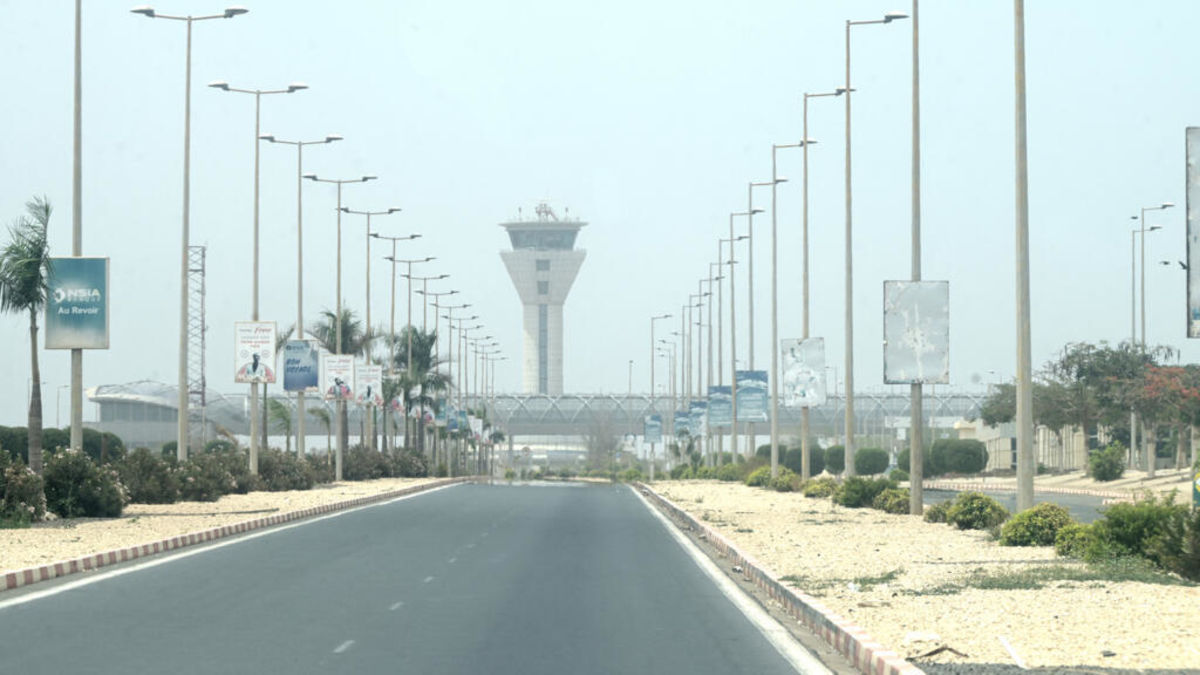
Air Sénégal crew suspension: the real fallout for travellers, trade and the Dakar-Paris route
Reporting from Dakar, Léa-Lisa Westerhoff
The decision landed on 17 September: every steward and stewardess assigned to the Dakar-Paris route was grounded, pending an internal inquiry to establish who was responsible, a source inside Air Sénégal confirms.
At the heart of the matter are suspicions that crew members carried parcels for payment. In plain terms, some staff are believed to have agreed to transport goods in exchange for a set rate per kilo — an activity widely known as a “GP”, banned by Air Sénégal and linked to merchandise trafficking. So far, the airline has said nothing about what those parcels contained.
How the route keeps flying with a Georgian crew
Since the suspension, the cabin crew of Georgian private carrier MyWay has been operating the Dakar-Paris service on board one of its own aircraft, on behalf of Air Sénégal.
The episode is a blot on a carrier already regularly criticised over service quality. It also comes as the airline battles serious financial trouble: several of its planes have been seized, and a leased MyWay Boeing now flies the route between the French and Senegalese capitals.
What the grounding means for passengers and the airline’s finances
For travellers, the immediate effect is a service run by unfamiliar staff on a leased aircraft, at a time when confidence in the airline is already fragile. For Air Sénégal, the suspension removes an entire crew from a flagship route while the company is still dealing with seized aircraft and financial strain.
Why the parcel-carrying allegations matter beyond the cabin
The internal inquiry now has to determine responsibility among crew members accused of accepting payment to carry goods. The airline has not disclosed the nature of the shipments, leaving key questions unanswered for passengers, regulators and the airline’s own reputation.