Moussa Kaka’s disappearance in Niger: how one journalist’s fate shakes a nation’s economy and citizens’ trust
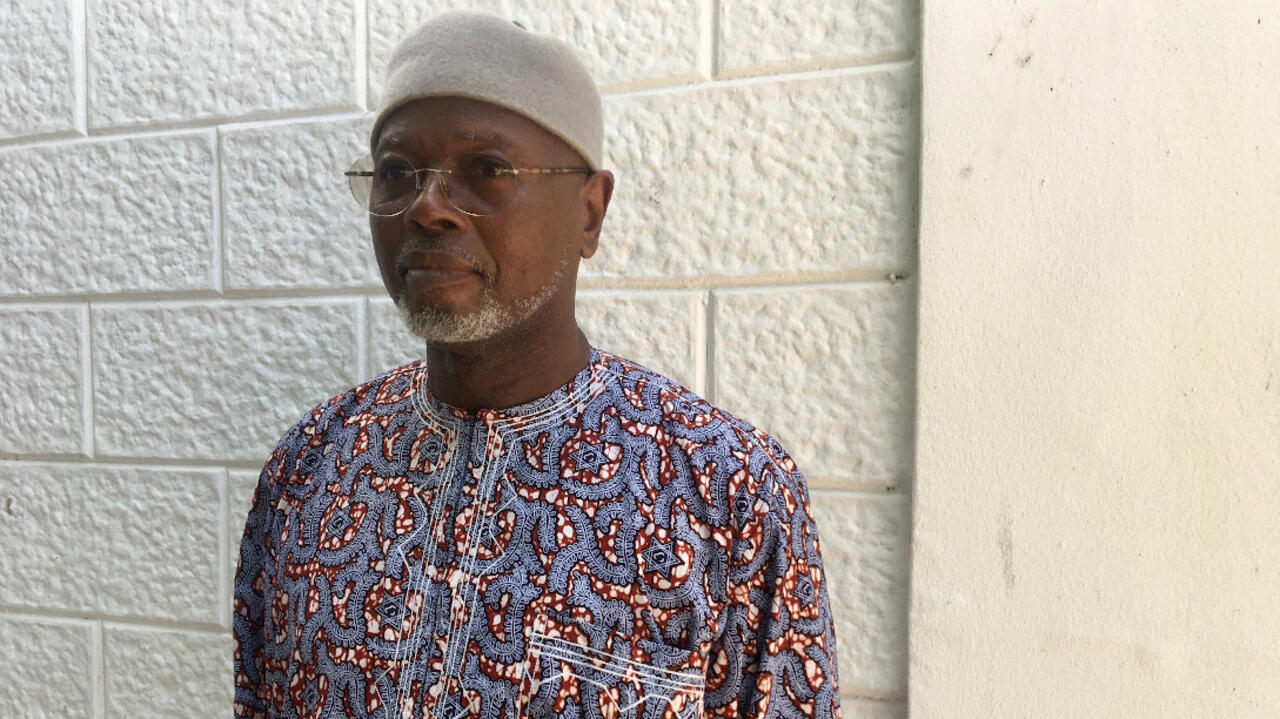
Niger has been without journalist Moussa Kaka since August 31, and the fallout is already being felt far beyond the newsroom. Alioune Tine, a Senegalese human rights expert and former United Nations special rapporteur, describes the situation as a “forced disappearance” and condemns what he calls “the total indifference of the African and international community.” His warning is blunt: when a journalist vanishes without explanation, the consequences ripple through every layer of society — from citizens who lose a trusted source of information to businesses that rely on a stable, predictable environment.
Tine, who founded Afrikajom, a think tank focused on democracy and security in Africa, is calling for a broad mobilization of African public opinion and the organizations that represent it. In his view, the absence of any legal justification for Kaka’s arrest is not just a press freedom issue — it is a signal that the rule of law is eroding, with direct costs for ordinary people.
Why a single disappearance matters for millions of Nigeriens
For citizens, the disappearance of a prominent journalist means fewer independent voices holding power to account. When reporters can be detained or made to vanish without consequence, the flow of reliable information dries up. That affects everything from how families make decisions about their safety to how small businesses gauge risk.
The economic dimension is equally serious. A climate of impunity scares off investment, slows down trade, and pushes skilled professionals to leave. Tine’s call for action is not just about one man — it is about preventing Niger from sliding further into a pattern where arbitrary detention becomes normal and the country’s reputation suffers internationally.
What Alioune Tine is asking African leaders to do
Tine wants African public opinion and continental organizations to break their silence. He argues that the lack of reaction from African institutions sends a dangerous message: that a journalist can be made to disappear and no one will ask questions. For him, this is a test of whether Africa’s commitment to human rights is real or merely rhetorical.
- African civil society groups should publicly demand answers about Kaka’s whereabouts.
- Regional bodies must pressure Niger’s authorities to open an independent investigation.
- International partners should treat the case as a litmus test for governance and rule of law.
The wider consequences for West Africa’s stability
Niger sits at the heart of a region already grappling with security crises and political transitions. When a journalist disappears in such a context, it weakens the already fragile checks on power. Tine’s message is that silence is not neutral — it is complicity. The longer Kaka remains missing without a credible explanation, the more the damage spreads to citizens, businesses, and the country’s international standing.
The former UN expert insists that absolutely nothing justifies Kaka’s arrest. Until that changes, Niger’s people will continue to pay the price — not just in lost press freedom, but in the everyday uncertainty that comes when justice is nowhere to be found.