UN praises Togo’s peace efforts in eastern DRC as mediation gains momentum
UN praises Togo’s peace efforts in eastern DRC as mediation gains momentum
- Security
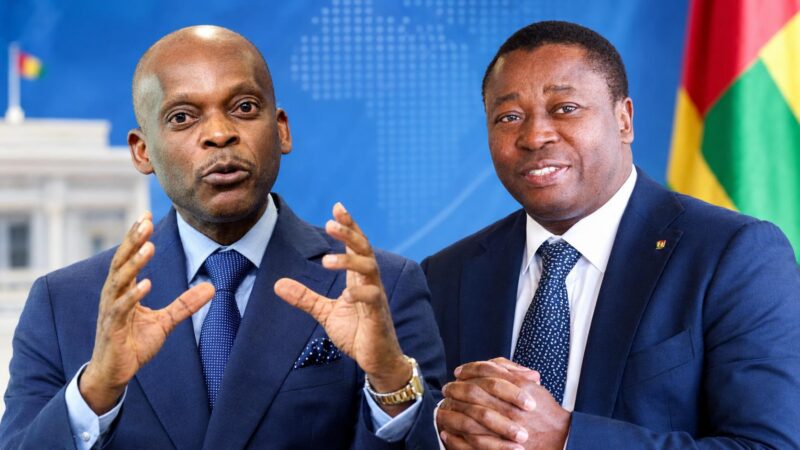
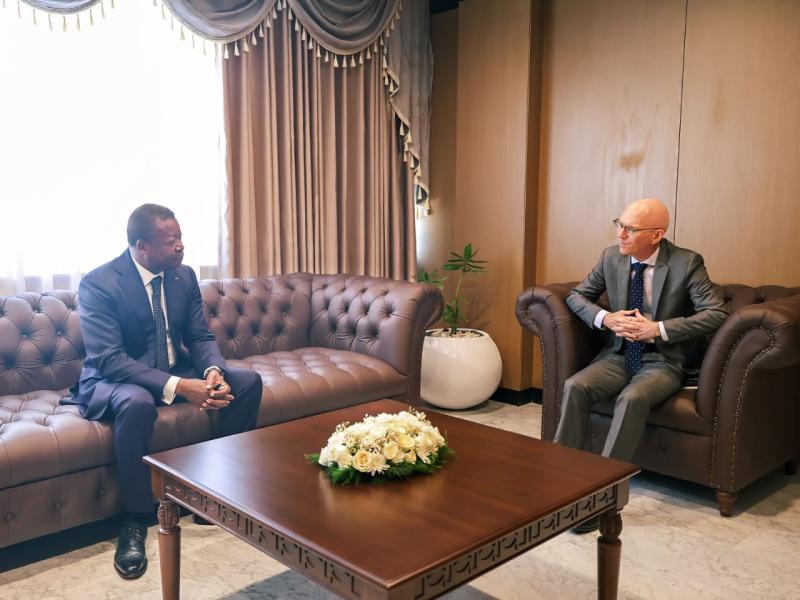
In a significant diplomatic development, United Nations Special Representative James Swan and UN Special Envoy for the Great Lakes Region Huang Xia met with Togolese President Faure Essozimna Gnassingbé in Lomé on June 8, 2026. The discussions focused on advancing peace initiatives in eastern Democratic Republic of Congo (DRC) under the African Union’s mediation framework.
The Togolese presidency confirmed that the meeting addressed the progress of ongoing diplomatic efforts and the UN’s contribution to the African Union’s peacebuilding initiatives in eastern DRC. Both UN officials expressed strong support for Togo’s mediation role, emphasizing the importance of coordinated international efforts to achieve lasting peace in the region.
UN representatives specifically commended Togo’s commitment to promoting peace and stability across Africa, highlighting the country’s strategic role in facilitating peaceful conflict resolution. They reaffirmed the UN’s readiness to support President Gnassingbé’s mediation efforts, which aim to deliver an equitable and sustainable solution to the persistent crisis in eastern DRC.
Appointed as the African Union’s mediator for the DRC crisis in early 2026 following the departure of Angola’s former President João Lourenço, Gnassingbé has been actively engaging with regional stakeholders and international partners to strengthen peace efforts in the Great Lakes region.
James Swan’s participation in the Lomé meeting marked his first attendance at the African Union’s semiannual evaluation session for peace initiatives in eastern DRC. The gathering comes at a critical juncture, as security and humanitarian conditions in the region continue to deteriorate despite multiple diplomatic agreements and peace frameworks.
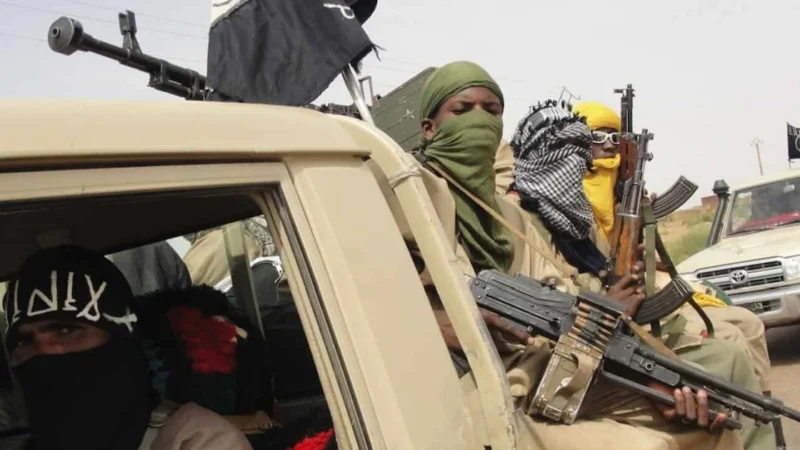
Analysts point to eroding trust between conflicting parties and a lack of political will among some regional actors as major obstacles to implementing peace agreements. The ongoing crisis in eastern DRC remains heavily influenced by the presence of the M23 rebel group, which Kinshasa has repeatedly accused of receiving support from Rwanda.
While diplomatic initiatives such as the Washington Agreement and Doha Process have been established, their implementation has faced significant setbacks. Recent assessments indicate that parties involved continue to interpret key provisions differently, making practical application of peace agreements increasingly challenging.
The Doha Process, mediated by Qatar, has seen several negotiation cycles but has yet to produce tangible results. The planned Montreux phase in Switzerland failed to inject new momentum into the process, with unresolved disagreements persisting between Kinshasa and the M23 rebellion. The deteriorating security situation in the Middle East has further complicated efforts to prioritize the DRC peace process.
“The gap between diplomatic achievements on paper and the harsh realities on the ground remains a critical challenge. Without genuine commitment from all parties, sustainable peace will continue to elude the region,” said a senior diplomatic source familiar with the discussions.