Turkey emerges as top arms supplier to Mali in 2024
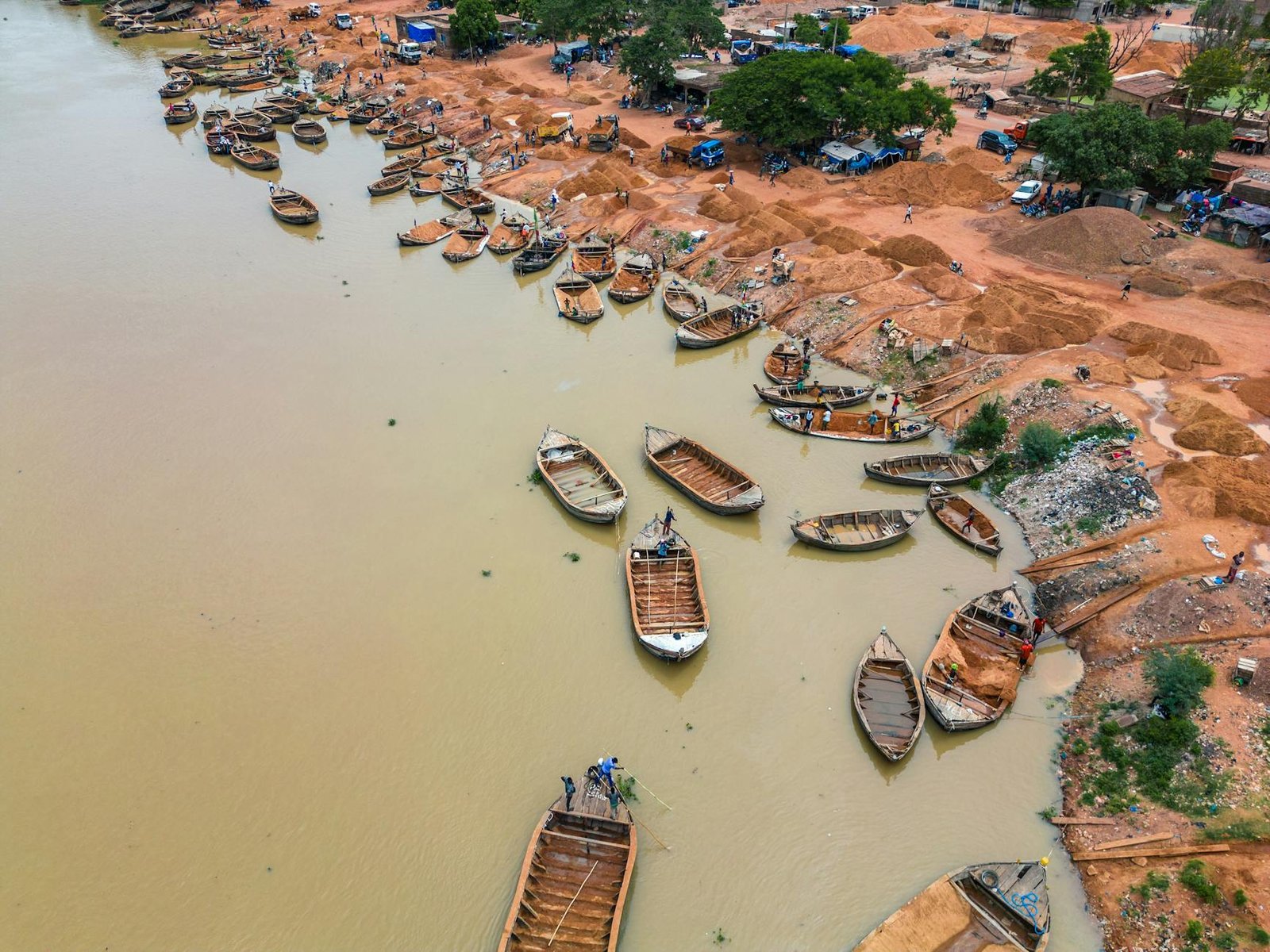
Turkey has systematically expanded its economic and military footprint in Mali, emerging as Bamako’s leading non-African partner while maintaining a low diplomatic profile. Over the past decade, bilateral trade flows have more than tripled, with defense equipment and ammunition becoming Ankara’s top export category to the Sahel nation since 2024. This steady rise—amid Russia’s growing influence and the withdrawal of French forces—reshapes the geopolitical landscape of the Sahel region.
Turkey’s commercial breakthrough tailored to Mali’s security needs
The rapid growth in trade between Ankara and Bamako reflects a deliberate, long-term strategy rather than a sudden surge. The tripling of commercial exchanges over ten years underscores Turkey’s commitment to investing in a market overlooked by some Western partners. Facing persistent jihadist insurgencies and severed ties with traditional allies, Malian authorities have embraced Turkey as a reliable supplier with minimal political strings attached.
The composition of trade reveals the evolving nature of this partnership. Since 2024, military hardware has claimed the top spot in Turkey’s exports to Mali, overtaking manufactured goods that once dominated bilateral trade. This shift aligns with Bamako’s military consolidation and the urgent need to rearm and restructure the Malian Armed Forces (FAMa) with modern capabilities.
Bayraktar drones anchor Turkey’s soft power strategy in Mali
At the core of this military cooperation are Turkish-made combat drones, symbolizing Ankara’s technological reach across Africa. Baykar’s systems, tested in conflicts like Libya, Nagorno-Karabakh, and Ukraine, now serve as a priority asset in the Sahel. For Bamako, these unmanned platforms offer a decisive edge against mobile insurgent groups operating over an area twice the size of metropolitan France.
Beyond military hardware, Ankara is weaving a discreet soft power network. While Russia’s Africa Corps provides direct operational support to Malian forces, Turkey avoids direct competition in the spotlight. Instead, it embeds itself in sectors like construction, civil aviation, religious education through the Maarif Foundation, and logistics. This multi-pronged approach prevents the label of a mere opportunistic partner.
Navigating rivalries with strategic adaptability
Turkey’s approach stands out for its ability to coexist with actors holding divergent interests. Ankara maintains open channels with the juntas of the Alliance of Sahel States (AES) while preserving diplomatic ties with West African capitals within ECOWAS. This flexibility contrasts sharply with European powers, which have been forced into rigid positions following the 2020, 2021, and 2023 coups.
However, the economic imbalance remains stark. Mali’s exports to Turkey consist mainly of raw agricultural commodities, while its imports include machinery, construction materials, and now defense equipment. This imbalance raises concerns about the financial sustainability of the relationship, especially as Malian mining revenues—particularly gold—are increasingly diverted to fund the war effort and social programs.
Yet, the strategic depth Turkey has gained in Mali extends beyond trade volumes. By positioning itself as an industrial partner, military supplier, and educational actor, Ankara is building a durable, low-cost, and hard-to-reverse presence. For Bamako, this diversification provides a counterbalance to reliance on Russia without re-engaging with Western partners whose conditions are seen as intrusive by the transitional authorities. This discreet proximity strategy now stands as one of the most defining pillars of the Sahel’s evolving power dynamics.