Senegal’s democracy debated as new government excludes key opposition
In Senegal, the newly appointed cabinet led by Prime Minister Ahmadou Al Aminou Mohamed Lô has sparked significant debate. Comprising 30 ministers, including technocrats and allies of President Bassirou Diomaye Faye, the government notably lacks key figures from the Pastef party, led by Ousmane Sonko, who declined participation. This absence underscores a growing rift between President Faye and Sonko, despite both being members of Pastef.
Accountability and governance under scrutiny
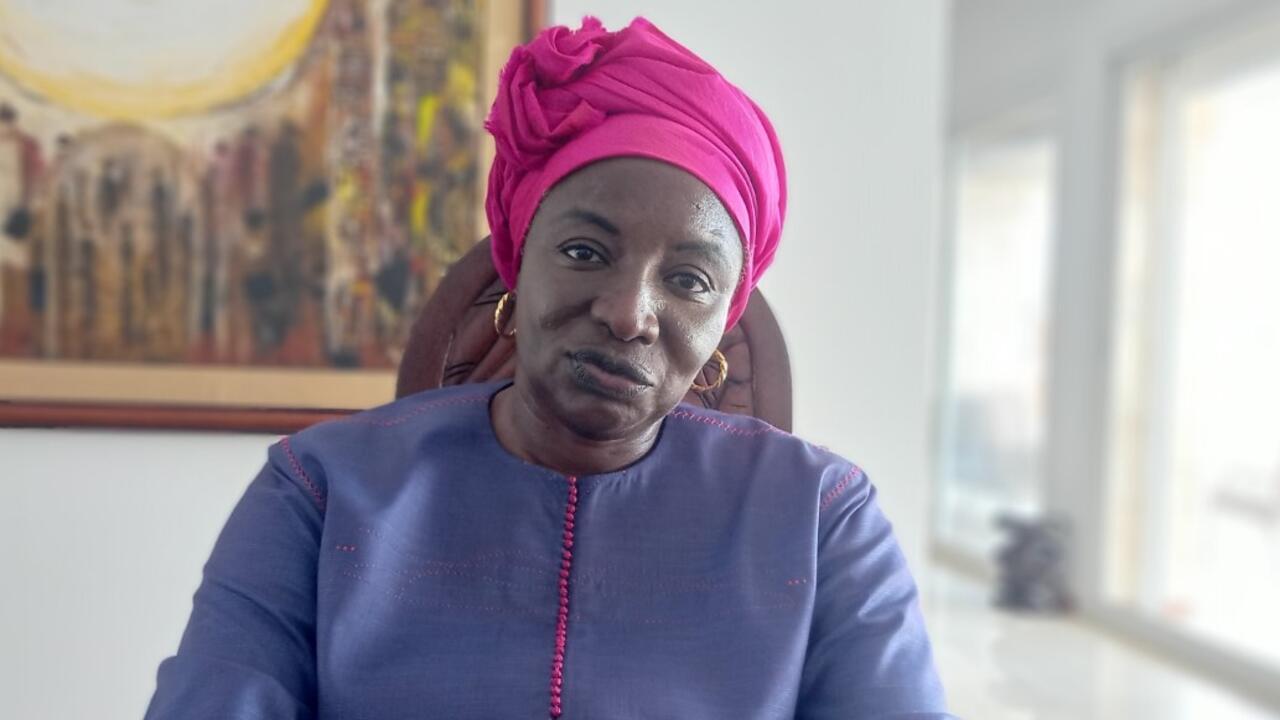
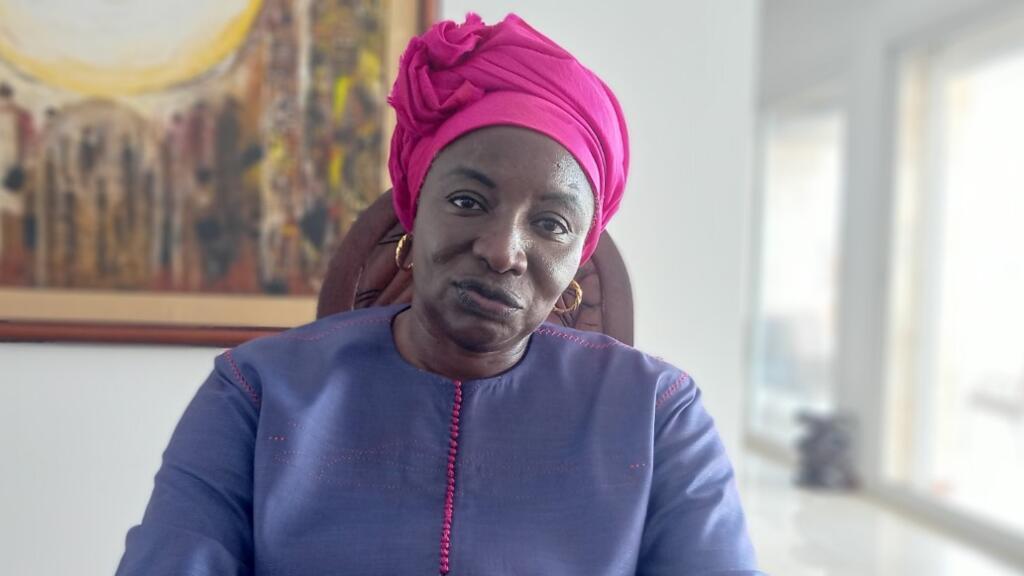
Aminata Touré, a leading figure in the coalition backing President Faye, and the guest of honor in this discussion, responds to concerns about the government’s legitimacy and its ability to function amid what many describe as a cohabitation scenario. With Pastef holding a majority in the National Assembly through Ousmane Sonko’s leadership, she emphasizes the importance of respecting institutional roles and prioritizing national interests.
On democratic principles and governance
Question: Does a 30-member cabinet, with some Pastef members but no heavyweights, raise doubts about its democratic or electoral legitimacy?
Aminata Touré: Democratic principles must guide us. President Bassirou Diomaye Faye was democratically elected with 54% of the vote, and it is his prerogative to appoint the prime minister and approve the government. This cabinet reflects a commitment to efficiency and action. Senegalese citizens prioritize tangible results over political disputes. They want us to get to work.
Addressing cohabitation challenges
Question: With Pastef holding a majority in the National Assembly, could governance become difficult?
Aminata Touré: First, it’s essential to remember that President Faye is a member of Pastef, as are several ministers in this government. This is an internal party matter. If all institutions respect their mandates and focus on the nation’s interests, there is no reason for conflict. We must avoid using institutions to serve personal ambitions. Constant political squabbles are not sustainable. Each institution—legislative, executive, and judicial—must fulfill its role, including the Constitutional Council, which ensures laws align with the constitution. Senegalese citizens expect this, and they will judge the government by its actions.
Economic strategy and debt management
Question: Concerns have been raised about the government’s stance on accountability, particularly regarding perceived leniency toward political opponents. Does this cabinet signal a departure from Pastef’s promise of political moralization?
Aminata Touré: Why should this signify an end? Perhaps it marks the beginning of accountability aligned with judicial independence. Accountability is not the same as witch hunts. I’ve served as Minister of Justice, so I know the difference. Political rivals may wish to see opponents disappear, but that doesn’t justify a judge’s ruling. President Faye remains committed to accountability, not vendettas.
Question: Pastef’s Ousmane Sonko has long opposed restructuring Senegal’s debt with the International Monetary Fund. Will the new government take a different approach?
Aminata Touré: This isn’t an ideological issue; it’s practical. When you owe money to creditors and struggle to repay, you must find a solution. Restructuring the debt is necessary, but it requires dialogue with partners. These partners must understand that we cannot repeat the mistakes of the 1980s, when structural adjustments led to social program cuts and widespread poverty, a recovery that took decades. We are not discussing that. Instead, we seek a sustainable debt reprofiling strategy that benefits both the country and its people.
Political ambitions and Senegal’s future
Question: Could Pastef’s refusal to join the government be seen as an attempt to undermine President Faye’s governance in favor of Ousmane Sonko’s 2029 presidential ambitions?
Aminata Touré: Everyone has the right to aspire to the presidency, just as President Faye has the right to seek a second term. The central question is whether Senegalese citizens want to engage in a three-year electoral campaign. That would be a disservice to them. What they truly need is for us to focus on solving the pressing issues they face. That is the priority of this government. The electoral competition will come later. Sabotaging governance would mean sabotaging the very people we serve. As I’ve said, democracy must be allowed to function. We may disagree, but the national interest must always come first.