The rollout of the AES passport: tracking progress across the Sahel
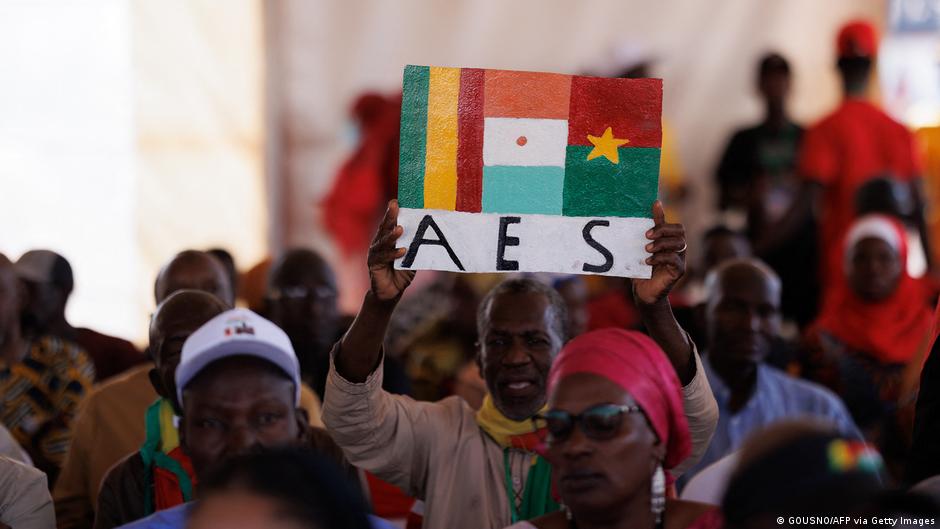
How is the transition toward new identity documents, particularly passports, progressing within the Alliance of Sahel States (AES)?
While the biometric document was officially introduced last year to foster regional unity among Burkina Faso, Mali, and Niger, its actual availability on the ground differs from one capital to another.
In Niger, for instance, the ECOWAS (Economic Community of West African States) passport remains the primary document being issued and recognized for international travel.
Niger faces delays in issuing AES travel documents
Travelers in Niger who have recently applied for or renewed their documents have noticed that the expected shift to AES branding has not yet occurred. A member of the Nigerien diaspora shared their surprise at receiving a new passport still featuring the ECOWAS logo instead of the AES insignia.
Another citizen, who requested to remain anonymous, recounted a similar experience when applying for a passport to travel to Mecca. Despite the official launch of the new regional alliance’s identification system, the document issued was still the old ECOWAS version, leaving many questions unanswered regarding the delay.
Although the AES passport was officially inaugurated in 2025, Niger is still in the process of setting up the necessary infrastructure for mass production. This topic has sparked significant discussion on social media platforms. It was only this past March that General Abdourahamane Tiani, the head of the transitional government, enrolled for the new AES biometric identity card. The production of these high-tech documents has been assigned to the Libyan company Alitisal Aljadeed.
Burkina Faso and Mali lead the way with AES passport adoption
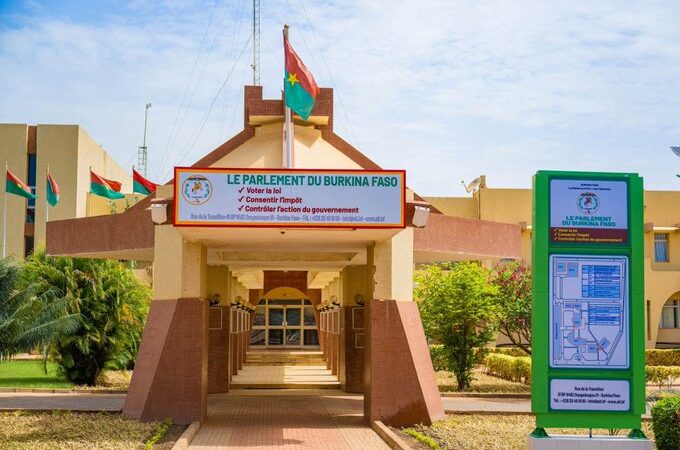
The situation is different for the other two members of the alliance. In Burkina Faso, citizens can already obtain both the AES passport and the national identity card upon request.
In Mali, despite some early technical hurdles regarding international recognition for the diaspora, the new travel document is now widely accepted. A Malian national living abroad confirmed that after applying at the consulate in France, they received a passport clearly marked with the AES symbols and have since used it for travel without any complications.
A period of transition for Sahelian travelers
During this phase, existing ECOWAS passports remain valid until their expiration date. One traveler, who obtained his document in 2024 before the AES rollout, noted that he continues to use his current passport for travel. However, he understands that upon renewal, he will transition to the AES version, as the old ECOWAS documents are no longer being produced in Mali.
The AES passport is designed as a state-of-the-art biometric document, meeting ICAO (International Civil Aviation Organization) standards. It features an integrated electronic chip and a polycarbonate data page to prevent forgery and enhance border security.
The decision to implement these new identity papers followed the withdrawal of Burkina Faso, Mali, and Niger from ECOWAS. In addition to passports, the authorities have introduced a biometric national identity card (CNIB-AES), with large-scale production starting in 2026. For these nations, the AES passport represents a symbol of regained sovereignty and a definitive departure from the ECOWAS bloc.