The collapse of stability in Mali and the rising threat to Algeria
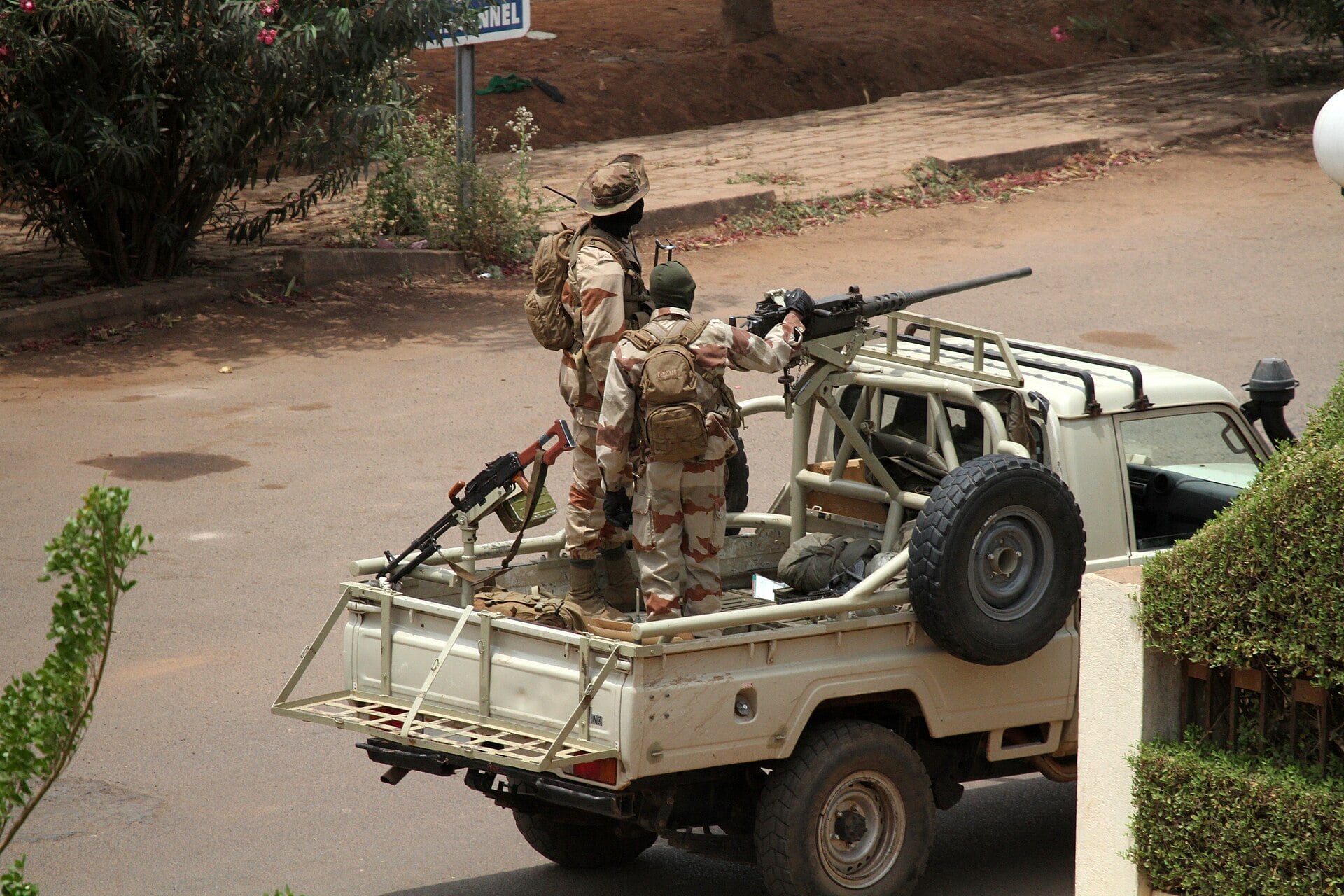
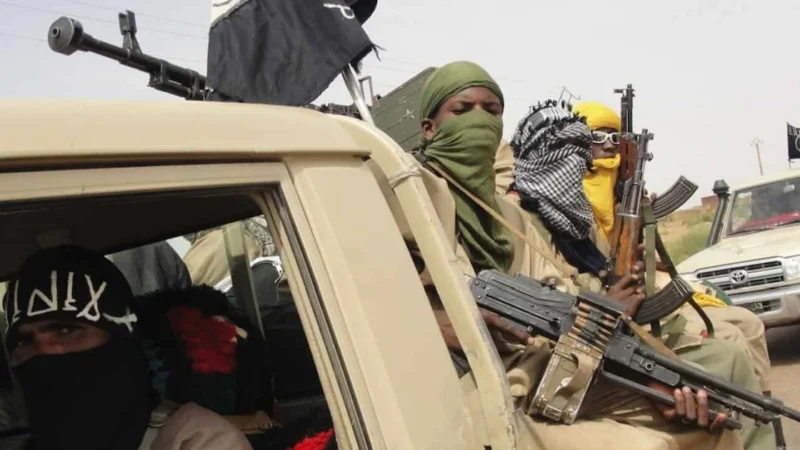
The synchronized assault launched across Mali on April 25 represented far more than a routine flare-up; it marked a definitive transformation in the nation’s decade-long struggle. By targeting military hubs and major urban centers simultaneously, Islamist insurgents and Tuareg separatists managed to reclaim the strategic northern stronghold of Kidal from government forces supported by Russia. This surge demonstrates an operational capacity that now poses a direct threat to Bamako. For the Sahel region, and specifically for Algeria, the debate is no longer about whether instability exists, but whether any power remains capable of containing it.
The consequences of the junta’s strategic shift
To grasp the current state of Mali, one must examine the geopolitical pivots following the 2021 coup. The military leadership, headed by Colonel Assimi Goita, chose to expel French troops and end the United Nations peacekeeping mission (MINUSMA), opting instead for the Wagner Group—now under Russian state oversight—as its primary defense partner. While the junta dismissed warnings of a potential security void as external interference, the April offensive has confirmed those fears. Russian forces have failed to act as a decisive deterrent, losing control of Kidal, a city of immense symbolic value to the Tuareg resistance. The insurgents have not only survived Russian intervention but have refined their tactics to outmaneuver the state.
The unprecedented tactical cooperation between Islamist groups and Tuareg factions suggests they both perceive the current administration as vulnerable. This alliance of convenience allows them to exert pressure on multiple fronts, further stretching the limited resources of the Malian state.
Algeria’s growing isolation and security fears
The deterioration of Mali is being watched with intense anxiety in Algeria. Sharing a vast and porous southern boundary, Algiers views the Malian frontier as a dangerous conduit for illicit weapons, human trafficking, and extremist recruitment. History has taught Algerian leadership that localized conflicts in the Sahel inevitably spill across borders. Despite once being the primary mediator through the 2015 Algiers Peace Agreement, Algeria now finds itself marginalized. The collapse of that treaty in early 2024, followed by a March 2025 border incident involving a Malian drone, has severed diplomatic ties between Algiers and the Alliance of Sahel States, which includes Mali, Burkina Faso, and Niger.
Foreign Minister Ahmed Attaf has reaffirmed Algeria‘s commitment to Mali‘s territorial integrity, but without active diplomatic channels, these statements offer little protection against the existential threat of armed groups establishing permanent bases along the border.
A vacuum left by international withdrawal
The current state of the Sahel also reflects a decline in United States influence. As Washington reduced its counter-terrorism efforts in West Africa, Russia moved in with military contracts, while extremist networks began to provide governance and social services in neglected territories. This transition underscores a harsh reality: when established security partnerships and intelligence sharing are removed, the resulting void is quickly filled by hostile actors rather than remaining neutral.
Uncertain paths forward
The future of the region likely follows one of three paths: a political compromise between the junta and Tuareg groups involving territorial concessions; a desperate military escalation supported by Russian assets; or a continued state of retreat that eventually brings the conflict to the gates of Bamako. For Algeria, each of these outcomes presents a significant risk to its own domestic stability as the crisis moves closer to its doorstep.