Niger’s fertilizer aid from Russia: a step toward food sovereignty or new dependency?
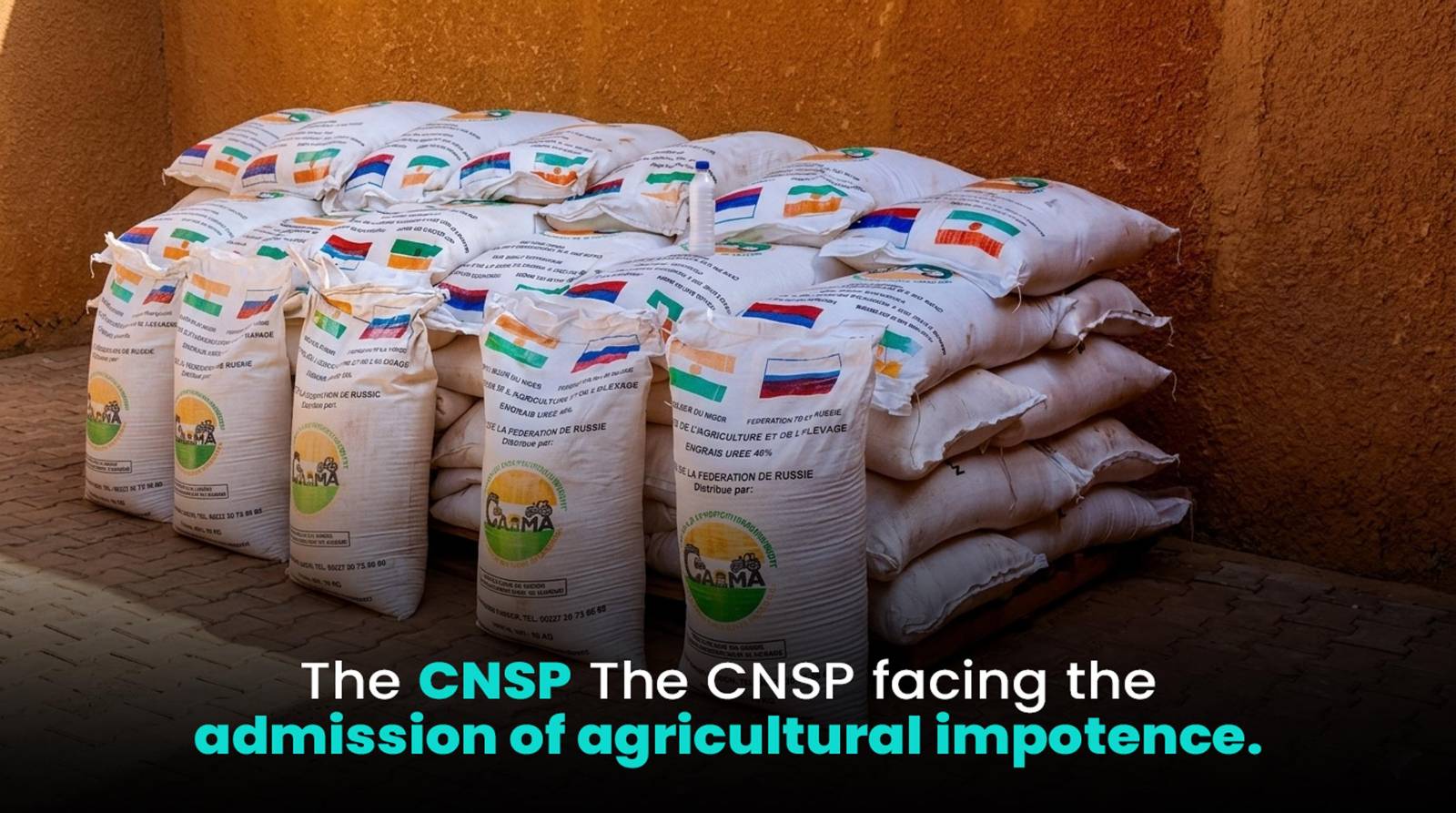
The Nigerien government has recently received a significant consignment of 20,000 metric tons of fertilizer from Russia, a move designed to enhance national agricultural output and, ultimately, achieve food self-sufficiency. The shipment arrived via the Port of Lomé before being transported by convoy across the country.
A strategic boost for the agricultural sector
The timing of this delivery is critical for farmers in Niger, who face volatile global prices and the persistent challenges posed by climate change. Access to affordable fertilizers remains one of the most pressing barriers to increasing crop yields. According to government officials, the fertilizers will be distributed primarily to small-scale farmers, who form the backbone of the local economy.
The National Council for the Safeguard of the Homeland (CNSP) has characterized this assistance as a mutually beneficial partnership—one that reflects genuine solidarity, free from the political conditions often attached to Western aid programs, which Niamey has long viewed as overly restrictive.
The paradox of foreign aid and national sovereignty
The arrival of this Russian fertilizer raises important questions about the legitimacy of external assistance in a nation that strongly advocates for strict sovereignty. How can a country claim autonomy while relying on foreign aid?
The pragmatism of transitional leadership
For Niger’s current leadership, sovereignty is not synonymous with isolation. Instead, it is defined by the ability to choose one’s partners. By accepting support from Russia rather than Western nations, Niamey is signaling a clear departure from historical patterns of influence and embracing a more diversified diplomatic strategy.
The urgency of food security
Political sovereignty holds little weight without a stable food supply. In this context, Russian fertilizer is seen as a production tool—one that could reduce future dependence on cereal imports. The government views this aid as a stepping stone toward long-term agricultural independence.
The risk of shifting dependencies
However, critics argue that replacing one form of dependency (with the West) with another (with the East) does not equate to true sovereignty. For genuine self-reliance, this temporary support must be accompanied by investments in local fertilizer production infrastructure.
Realpolitik in diplomatic relations
This donation underscores the deepening ties between Niamey and Moscow, extending beyond military cooperation into vital sectors such as rural development.
“True sovereignty begins with a people’s ability to feed itself through its own efforts. If this aid helps revitalize our farmlands, it is a step toward real freedom,” notes an analyst based in Niamey.
Conclusion: balancing realism and self-reliance
While the receipt of foreign aid may seem at odds with the pursuit of self-sufficiency, Niger appears to be adopting a pragmatic approach: leveraging resources from new allies to lay the groundwork for economic independence—one step at a time.
Is the creation of domestic fertilizer factories the next logical step to validate Niger’s sovereignist rhetoric, or does diversifying partnerships alone suffice to ensure its independence?