Senegal’s new electoral law may enable Ousmane Sonko’s 2029 presidential bid
President Bassirou Diomaye Faye of Senegal has signed a controversial electoral reform bill into law, a move that could significantly alter the political landscape ahead of the 2029 presidential election. Analysts suggest the reform opens the door for Prime Minister Ousmane Sonko to contest the polls, sparking intense debate within political circles.
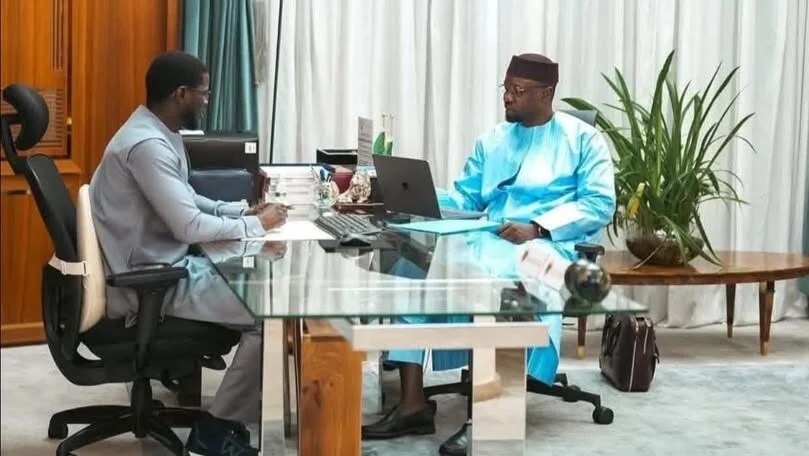
The presidential decree, authenticated over the weekend, follows months of political maneuvering and internal party tensions within the ruling Pastef movement. The reform targets key aspects of electoral eligibility, particularly the conditions governing civic rights restoration—a critical factor for Sonko’s potential candidacy.
Political tensions rise within Pastef
Public disagreements between President Faye and Prime Minister Sonko have intensified speculation about the future of their political alliance. The electoral reform bill, initially approved by the National Assembly on April 28, faced delays after President Faye requested a second reading, citing “technical errors” in the draft legislation. This unexpected move drew sharp criticism from within the party, with some members accusing the president of attempting to obstruct the reform’s progress for personal political ambitions.
The bill was finally ratified on May 9 after a second parliamentary vote, culminating in its official promulgation. The revised law introduces sweeping changes to civic rights restoration, capping the period of ineligibility at five years post-sentence completion. A particularly contentious provision allows for retroactive application of these changes, a clause that could directly impact Sonko’s eligibility given his 2023 conviction.
Sonko’s eligibility at the center of debate
Ousmane Sonko, a prominent opposition figure and former presidential candidate, was barred from contesting the 2024 election due to a 2023 defamation conviction that stripped him of civil rights. The Supreme Court upheld this decision in January 2024, just weeks before the polls. Despite these setbacks, Sonko secured a seat in the November 2024 legislative elections before relinquishing it to focus on his current role as Prime Minister.
The new electoral law’s retroactive clause has reignited discussions about Sonko’s political future. By limiting the duration of civic rights suspension to five years, the reform could potentially restore his eligibility in time for the 2029 presidential race. Political observers note that this development marks a pivotal moment for Senegal’s democratic trajectory and the evolving dynamics within the Pastef movement.