Sénégal politics: a pivotal day for governance and power shifts
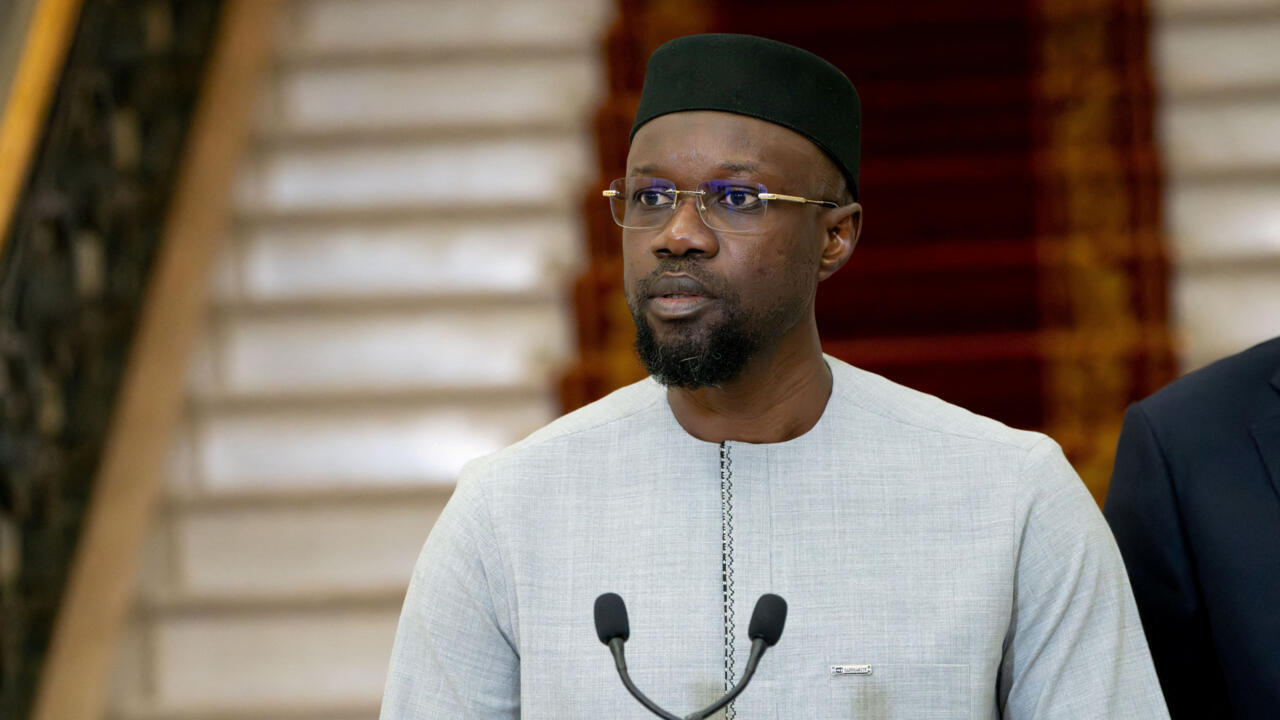
Sénégal at a crossroads: major political reshuffling in motion
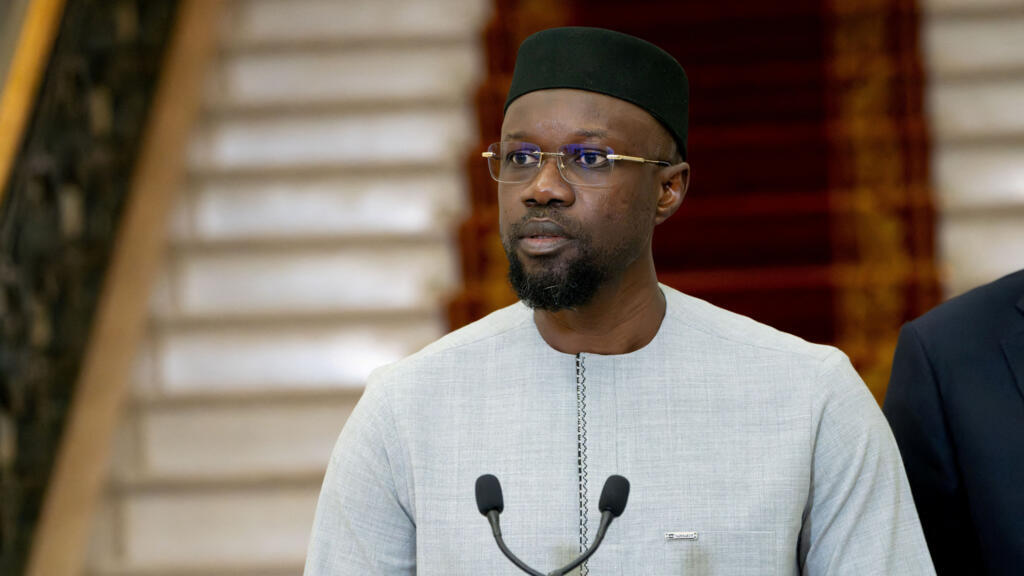
Dakar braces for a transformative political day as Senegal navigates through sweeping institutional changes. This morning, the nation awakens to a newly appointed Prime Minister, while the National Assembly prepares to elect its new president. These developments mark a significant shift in the country’s political landscape, reshaping power dynamics and setting the stage for future governance challenges.
a technocrat at the helm: who is the new prime minister?
The appointment of Ahmadou Al Aminou Mohamed Lo as Senegal’s new Prime Minister has sent ripples through the political sphere. Previously serving as Minister of the National Agenda for the Sénégal 2050 Transformation initiative, Lo brings a wealth of expertise in national and international financial systems to his new role. Local analysts describe him as a strategic figure, perfectly suited to navigate the country’s complex economic challenges while advancing ambitious developmental goals.
With a background in macroeconomics, banking regulation, financial markets, and Islamic finance, Lo has been instrumental in shaping Senegal’s new governance framework since the beginning of the current administration. His deep understanding of monetary systems positions him as a key player in managing the nation’s tight fiscal situation while maintaining progress toward long-term economic objectives.
sonko’s potential return: a game-changer for the assembly
The National Assembly’s upcoming session promises high stakes, particularly regarding the potential reinstatement of Ousmane Sonko as a deputy. Scheduled for this morning, the session will also focus on electing a new Assembly president, a decision that could redefine the legislative body’s direction following the Prime Minister’s recent removal.
Sonko’s party, Pastef, appears poised to push for his reintegration, leveraging their commanding majority of 130 out of 165 seats—a result from the November 2024 legislative elections. If successful, this move could establish an unprecedented cohabitation scenario, forcing the President to govern alongside a parliamentary majority loyal to his primary political rival.
However, legal uncertainties loom large. Several constitutional experts and political figures argue that Sonko’s reinstatement as a deputy may not be legally valid. They point to Senegalese law, which typically considers the replacement by a substitute as permanent for the duration of the legislature. This raises questions about the legitimacy of such a maneuver and could spark intense debates during today’s session.
2029 in sight: the unspoken presidential ambition
The political chessboard in Dakar is increasingly focused on the 2029 presidential election. Ousmane Sonko’s determination to reach the highest office appears stronger than ever, with his parliamentary allies already advancing electoral reforms that some interpret as efforts to remove obstacles that previously prevented his candidacy in 2024.
A critical question remains: will Sonko exercise patience until the election’s scheduled date, or will he seek to accelerate the political timeline by intensifying institutional power struggles? Analysts warn that this could introduce significant instability to Senegal, a nation long regarded as a stable democracy amid regional turmoil. When two competing legitimacies emerge from the same political camp, the system risks descending into perpetual confrontation, threatening the nation’s hard-won stability.
government formation and unforeseen possibilities
As the dust settles on these appointments, speculation intensifies about the composition of the new government. Will the majority of ministers come from Pastef, Sonko’s party, or will they be loyalists to President Faye without party affiliations? Some even suggest the possibility of a dissolution of the National Assembly, sending voters back to the polls in an attempt to secure a stronger majority. However, this move carries substantial risks—if Pastef were to regain a majority, not only would 2029 become an uphill battle for President Faye, but Sonko would emerge as the undisputed political kingmaker of Senegal.