Senegal parliament faces power shift as sonko poised to lead assembly
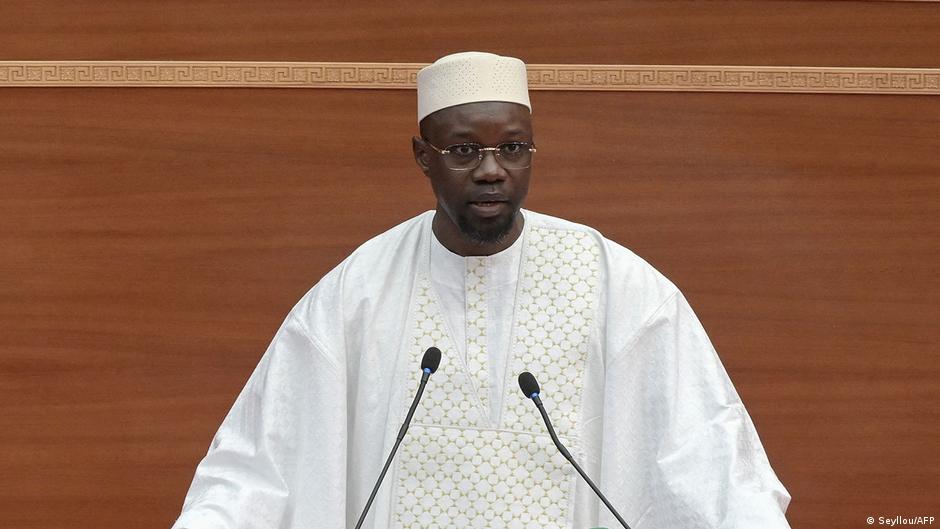
Senegal’s parliament set for dramatic power shift as Ousmane Sonko eyes speaker role
Supporters of Ousmane Sonko gathered outside his residence in Dakar’s Keur Gorgui district, chanting his name and expressing unwavering loyalty to the opposition leader. The political tension escalated after President Bassirou Diomaye Faye dismissed Sonko as Prime Minister, triggering a constitutional crisis and a parliamentary showdown.
Constitutional crisis unfolds as Sonko faces parliamentary reinstatement
The National Assembly convenes today to deliberate two critical motions: the reinstatement of Ousmane Sonko as a deputy and the election of a new assembly president. Sonko had temporarily suspended his parliamentary duties when appointed Prime Minister, creating a constitutional gray area that opponents argue violates legislative norms.
Political analyst Malao Kanté warns of potential fallout: “While Ousmane Sonko represents the new face of opposition politics, his party now controls the parliamentary majority—a development fraught with risks. The immediate threat of a no-confidence motion against the next Prime Minister could plunge the nation into institutional paralysis.”
Breaking point in ruling party ranks
The political rupture between President Faye and his former ally Sonko became public during a parliamentary session where Sonko challenged government policies. The dismissal followed shortly after, prompting the resignation of El Hadj Malick Ndiaye, the assembly president and a staunch Sonko loyalist.
Ousmane Sonko’s potential ascension to the assembly presidency would position him as Senegal’s second-highest-ranking official, fundamentally altering the balance of power in Dakar. The opposition has already signaled its intent to challenge the reinstatement process in court, with Aïssata Tall Sall, leader of the opposition bloc, labeling the move a constitutional coup.
Opposition denounces ‘illegal’ parliamentary maneuvers
Adama Fall, a senior figure in the Pastef-Les Patriotes party, emphasized historical parallels in African politics: “From Blaise Compaoré to Patrice Lumumba, our continent has witnessed power struggles between former allies. But this generation of Senegalese leaders is different—we won’t repeat the mistakes of the past. This moment demands national unity over personal ambition.”
The opposition’s legal challenge centers on procedural violations in El Hadj Malick Ndiaye’s resignation, which they argue contravenes the assembly’s internal regulations. Meanwhile, President Faye appointed banking executive Ahmadou Al Aminou Mohamed Lô as the new Prime Minister, stressing the need for national mobilization during this pivotal transition.
As the parliamentary session gets underway, Senegal stands at a crossroads where constitutional interpretation and political loyalty collide, reshaping the nation’s democratic trajectory.