Sénégal: opposition questions legitimacy of Diomaye’s national dialogue plan
Sénégal: opposition questions legitimacy of Diomaye’s national dialogue plan
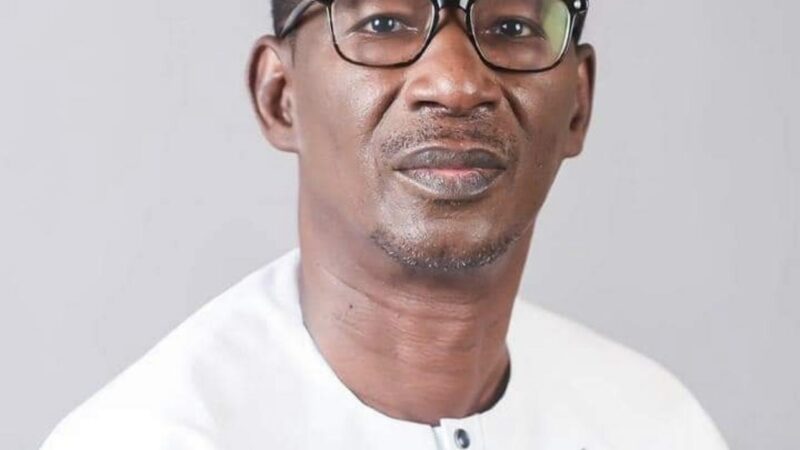
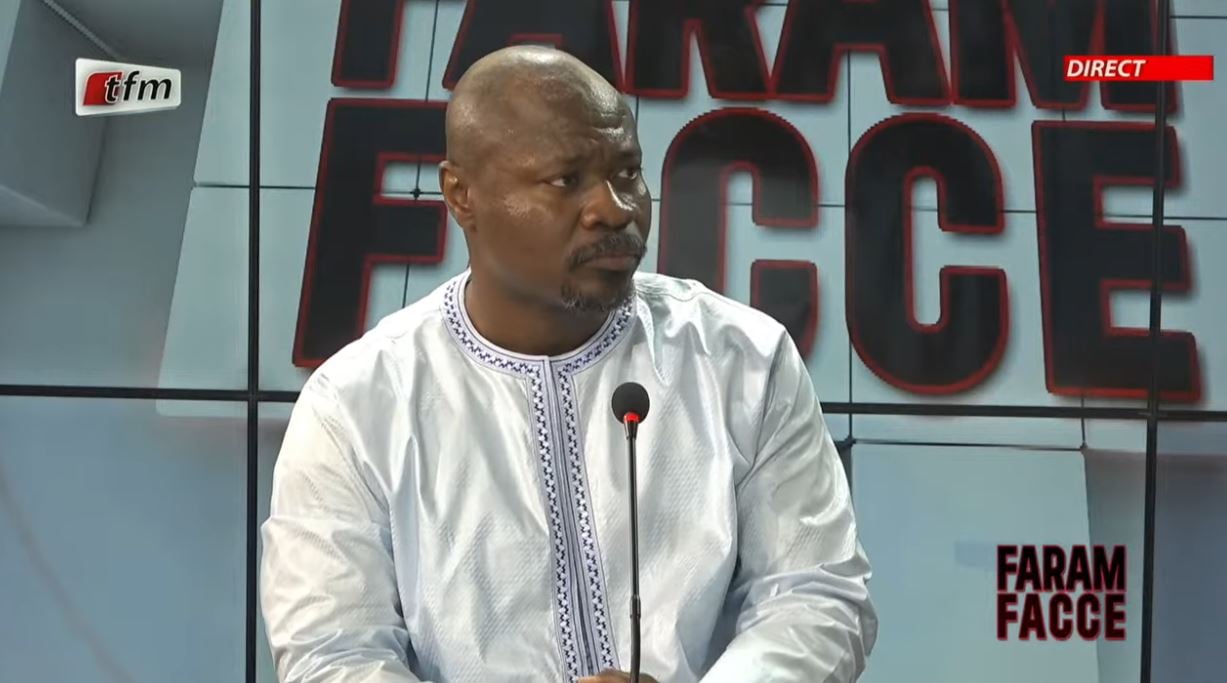
Senegal’s political landscape is witnessing sharp criticism from opposition figures over the framework of the National Dialogue initiated by President Diomaye Faye. Among the most vocal critics is deputy Guy Marius Sagna, who challenges not only the legal structure but also the underlying objectives of this process, calling it inadequate for addressing the nation’s evolving political needs.
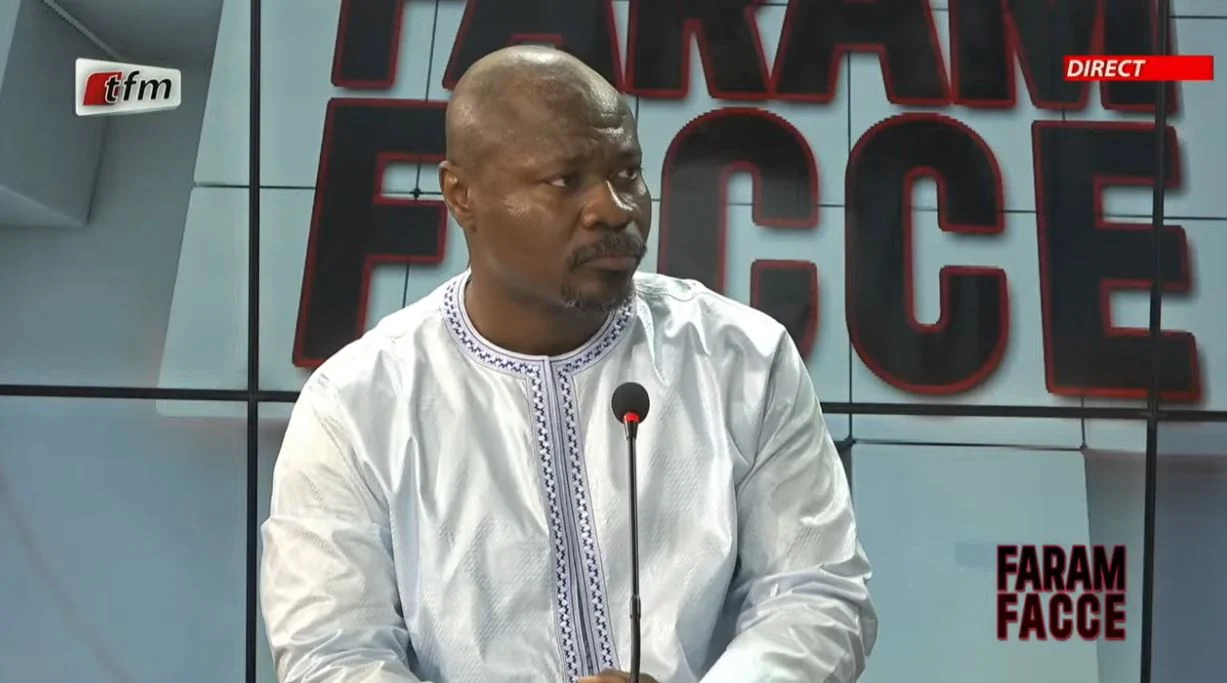
In a widely circulated statement, the PASTEF parliamentarian argues that a revolution cannot be steered by colonial or neocolonial tools, questioning the relevance of the existing institutional framework governing the dialogue. He warns that the current approach risks prioritizing political interests over the pressing needs of Senegalese citizens.
Outdated legal framework under scrutiny
Sagna’s critique extends to the 2016 decree regulating the National Dialogue, which he describes as obsolete. He advocates for its repeal, urging authorities to adopt more localized mechanisms of consultation—such as those in territorial communities, municipal councils, and the National Assembly—to foster genuine citizen participation.
The deputy further expresses doubts about the true intentions behind the dialogue process, suggesting it may serve as a political maneuver designed to either exclude or favor certain actors ahead of upcoming elections. He warns that maintaining the existing legal structure could undermine the transformative commitments made by the current administration, calling instead for a revamped dialogue framework rooted in sovereignty and grassroots engagement.
His remarks come at a time when political discussions surrounding the National Dialogue and its implementation methods are intensifying across the country.