Senegal confirms Tabaski date following lunar observation failure
The crescent moon, traditionally marking the start of Dhul Hijja, remained unseen in Senegal on Sunday. This delayed the official announcement of Tabaski, setting the celebration for Thursday, May 28, 2026.
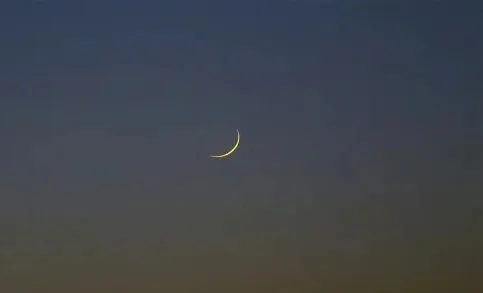
The National Committee for the Observation of the Crescent Moon (CONACOC) confirmed that the new moon symbolizing the beginning of Dhul Hijja 1447 was not sighted on May 17, 2026. This outcome follows rigorous local observation protocols, which play a crucial role in determining religious dates across Muslim communities in West Africa.
As a result, the Day of Arafat will be observed on Wednesday, May 27, 2026, while Tabaski, also known as Eid al-Adha, will be celebrated on Thursday, May 28, 2026. This decision aligns with the tradition of relying on local lunar observations rather than astronomical calculations alone, a practice that often leads to variations in religious calendars across neighboring nations.
The delay in sighting the crescent moon is not uncommon, as atmospheric conditions and geographic location can significantly influence visibility. Senegal’s adherence to local observations ensures that religious observances remain synchronized with the lunar cycle as traditionally practiced in the region.