Russian Africa Corps forces retreat as jihadist offensives surge in Mali
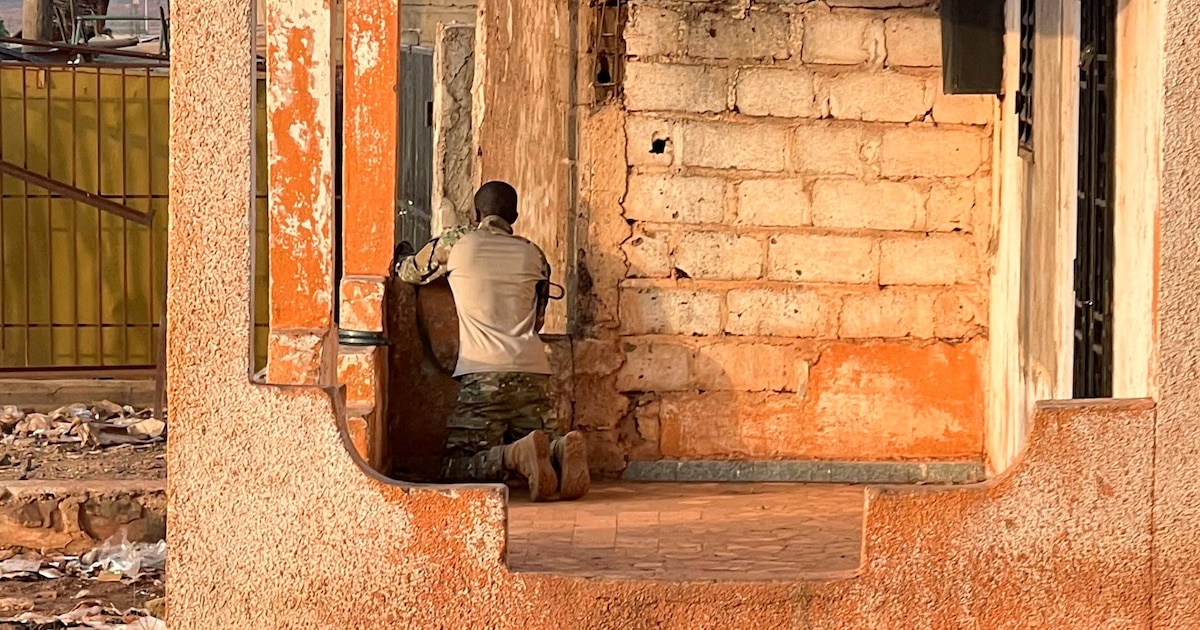
In a development that marks a significant shift in African politics, Russian mercenaries from the Africa Corps—the successor to the Wagner Group—suffered a major defeat in Kidal. On Sunday, April 26, these forces, allied with the military junta in Bamako, were forced to retreat from the strategic northeastern city. Footage circulating online depicts a humiliating withdrawal, with Africa Corps personnel fleeing under intense pressure from the GSIM (Group for the Support of Islam and Muslims), also known as JNIM, and their Touareg rebel allies from the FLA (Azawad Liberation Front). The exit was so disorganized that dozens of armored vehicles and helicopters were left behind for the insurgents, while several Malian soldiers were taken captive following brief skirmishes.
Since Saturday, the Sahelian nation has been gripped by a wave of synchronized strikes. These operations, conducted by Al-Qaeda-linked GSIM militants and FLA independence fighters, have targeted vital government positions across Mali, reaching as far as the outskirts of the capital, Bamako. Such events are frequently covered by Africa news English outlets monitoring the region’s volatile security landscape.
A reversal of 2023 gains
On Monday, the Africa Corps, which operates under the oversight of the Russian Ministry of Defense, confirmed their withdrawal from Kidal. This loss is particularly symbolic for the FLA rebels; eighteen months earlier, in November 2023, Wagner mercenaries had seized the city and raised their skull-and-crossbones flag. Kidal had long been a Touareg stronghold, and its capture was considered the only major strategic triumph for Russian forces since their 2021 arrival. Experts in governance Africa note that this retreat represents a severe blow to the credibility of the Russian military presence in the country.
The coordinated GSIM offensive also struck Kati, the site of the nation’s primary military headquarters, and Gao, a former UN base. In total, at least six major urban centers were targeted simultaneously, highlighting the growing reach of the insurgency.
Since the 2021 coup, Mali has been governed by a military junta. During this period, the nation has become a focal point for global terrorism. Reports from independent African journalism sources indicate that since mid-2025, jihadist groups have consistently outmaneuvered Malian forces and their Russian partners, even implementing economic blockades to isolate Bamako.
Persistent ineffectiveness in counter-terrorism
The Malian leadership turned to Russian paramilitaries—first Wagner and later Africa Corps—to stem the tide of violence, yet the security situation has only worsened. Furthermore, society Africa has felt the brunt of this partnership, with various international reports documenting an increase in human rights violations and sexual violence attributed to both the Malian military and their Russian auxiliaries. Analysts suggest that these mercenaries have long proven to be ineffective partners in counter-terrorism efforts, a reality underscored by the recent collapse in Kidal.
Over the weekend, visual evidence from across Mali confirmed the scale of the crisis. In Kidal, militants seized the governor’s office, while in Bamako, GSIM fighters were seen entering the city with little to no pushback. A devastating bomb attack in Kati destroyed the home of Defense Minister Sadio Camara, resulting in his death.
Allegations of betrayal
On Monday, Prime Minister Abdoulaye Maïga addressed the nation to honor the late Sadio Camara and attempt to calm the public. Following this, the head of the junta, Assimi Goïta, made a brief televised appearance on Tuesday evening, claiming the situation was “under control” and vowing to continue operations until all involved groups are neutralized. This rhetoric is a common theme in African Tribune news regarding the junta’s public communications.
However, the performance of the Malian army (Fama) and the Africa Corps is facing internal scrutiny. One Malian officer alleged that the Russian forces betrayed them in Kidal, claiming that despite being warned of the attack three days in advance, the mercenaries did nothing because they had already negotiated their own departure. There are further concerns that Russian units may be preparing to abandon other northern locations, leaving the regular army even more exposed.
In Moscow, Kremlin spokesperson Dmitri Peskov declined to comment on whether the Africa Corps could regain control of the situation. He did, however, assert that their presence had successfully thwarted a coup attempt by the FLA and GSIM, according to reports from Reuters.