Article réservé aux abonnés
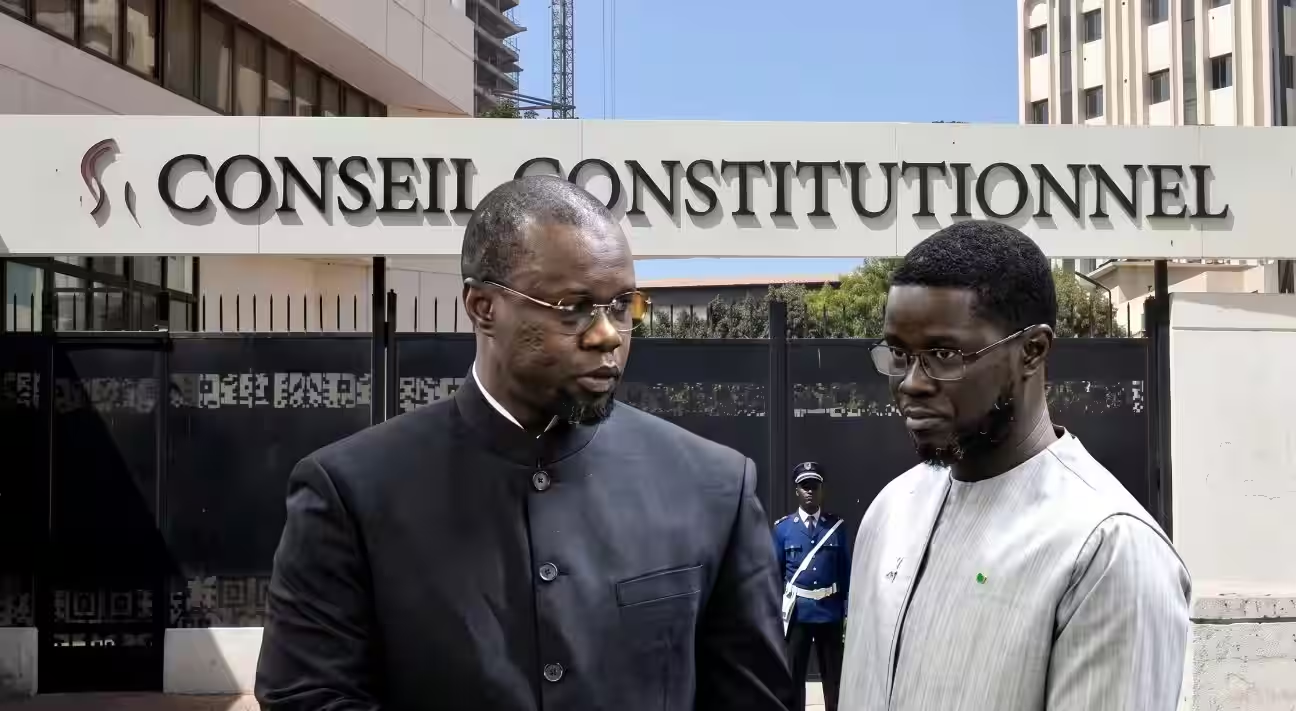
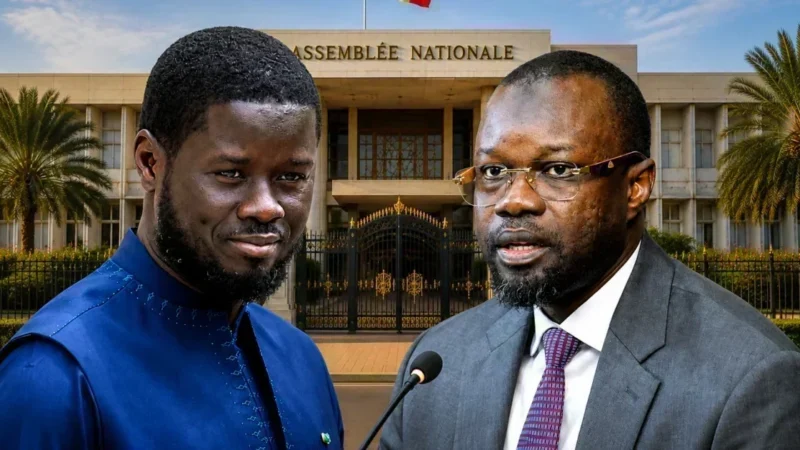
The recent ruling by Senegal’s Constitutional Council concerning Ousmane Sonko’s potential reinstatement to the National Assembly has ignited intense debate and critical legal scrutiny across the nation. This significant decision, which some perceive as signaling a shift in constitutional jurisprudence, raises fundamental questions about the consistency of institutional responses to crucial constitutional matters, impacting governance Africa.
The judgment issued on June 17, 2026, by Senegal’s constitutional judge, pertaining to the reintegration of Ousmane Sonko into the National Assembly, continues to provoke diverse interpretations within the country’s legal community. While the official reasoning cited a strictly procedural basis – the judge’s perceived incompetence – several expert observers suggest a deeper implication, hinting at a subtle reorientation of constitutional jurisprudence. At the heart of this controversy, the Constitutional Council of Senegal faces questions regarding the consistency of its own judicial path. For numerous public law analysts, this recent decision appears to diverge from a more assertive approach observed just a few years prior, particularly during the institutional developments of February 2024. This case extends beyond mere electoral litigation, touching upon broader aspects of African politics and society Africa. A critical analysis of the June 17, 2026, ruling reveals a stark contrast between two pivotal moments in recent constitutional justice. On one hand, there was a phase where the judiciary adopted an expansive interpretation of its role, positioning itself as a key regulator of institutional functions and a guarantor of stability. On the other, the recent decision, according to this analysis, favors a more restrictive approach, focusing primarily on the precise legal classification of the contested act. The core of the criticized reasoning…