Morocco thwarts daech plot with precision raid in agadir region
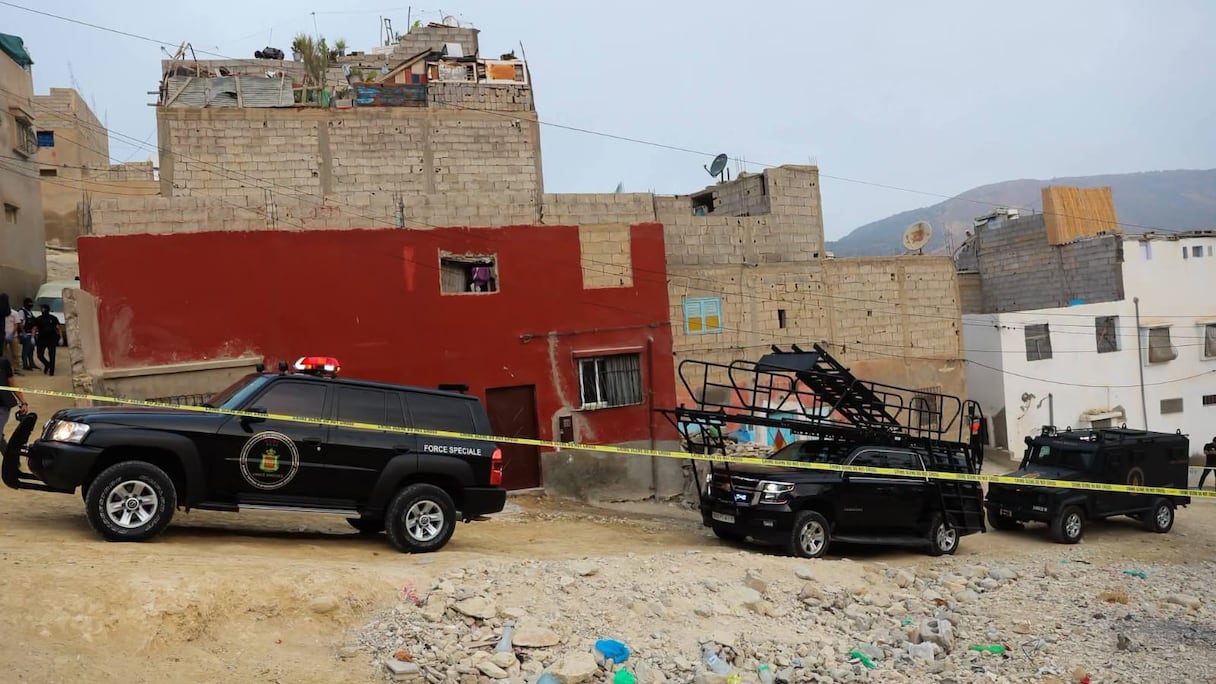
Just before dawn on a quiet Monday in July 2026, the coastal town of Aourir, north of Agadir, was enveloped in an unusual stillness. Residents remained asleep as a heavily armored convoy rolled through its narrow streets, their presence announced only by the faint hum of engines. The mission was clear: intercept and neutralize a radicalized individual who had pledged allegiance to the so-called Islamic State (Daech).
Guided by intelligence from the Directorate General for Territorial Surveillance (DGST), the elite Special Forces unit moved with surgical precision. The suspect was apprehended within moments of the raid. Meanwhile, officers from the Central Bureau of Judicial Investigations (BCIJ)—a DGST affiliate—conducted an immediate search of the premises. What they uncovered was far more than ideological radicalization: the suspect possessed not just weapons and tactical gear, but a disturbing readiness to act. By sunrise, the townspeople of Aourir awoke to the reality of having lived in close proximity to a terrorist, only to witness the threat dismantled before any harm could be done.
Uncovering a hidden laboratory of destruction
A short distance away, in the industrial outskirts of Inezgane, the operation revealed an even more alarming discovery. Nestled within a warehouse in the Traast El Jorf district was a clandestine workshop—one designed not just to plan attacks, but to build the tools of terror.
Upon breaching the facility, investigators found a modified 4×4 vehicle at its center. Closer inspection revealed a chilling modification: the original fuel tank had been replaced with a butane gas reservoir. The intent was unmistakable. This crude but deadly alteration was designed to amplify both the thermal blast and shockwave in a suicide attack or vehicle-ramming assault against critical national infrastructure.
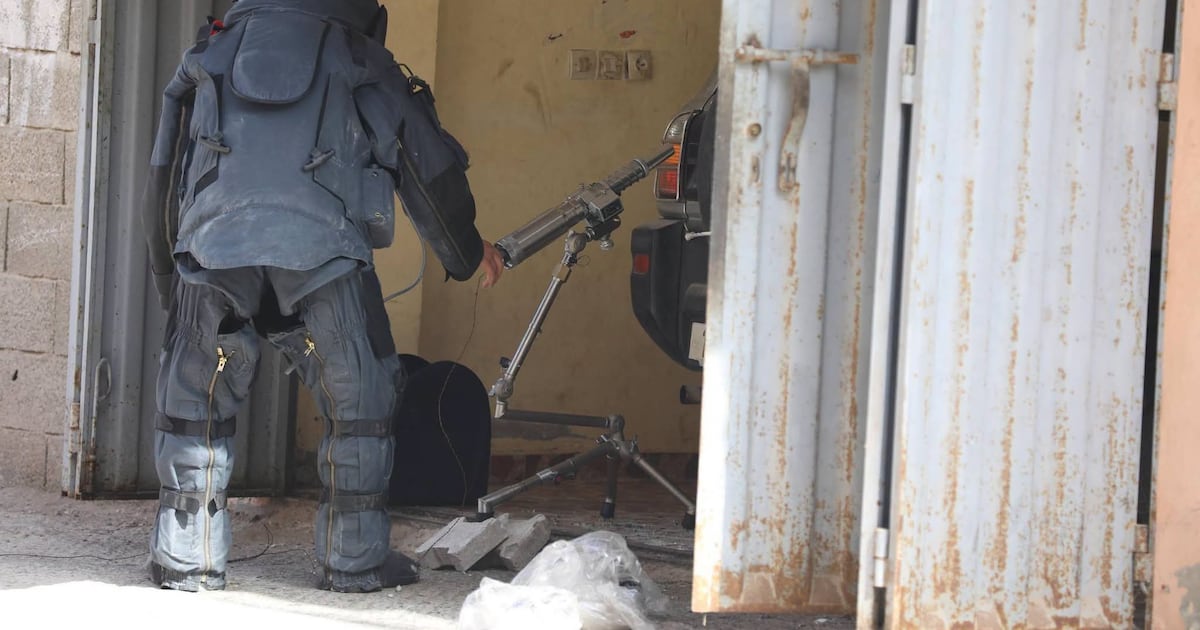
Confronted with the imminent risk of detonation, the BCIJ activated an emergency protocol. Residents in the vicinity were evacuated immediately. National security units from the Directorate General for National Security (DGSN), equipped with bomb disposal robots and advanced sensors, secured the area and examined the vehicle without risking human lives.
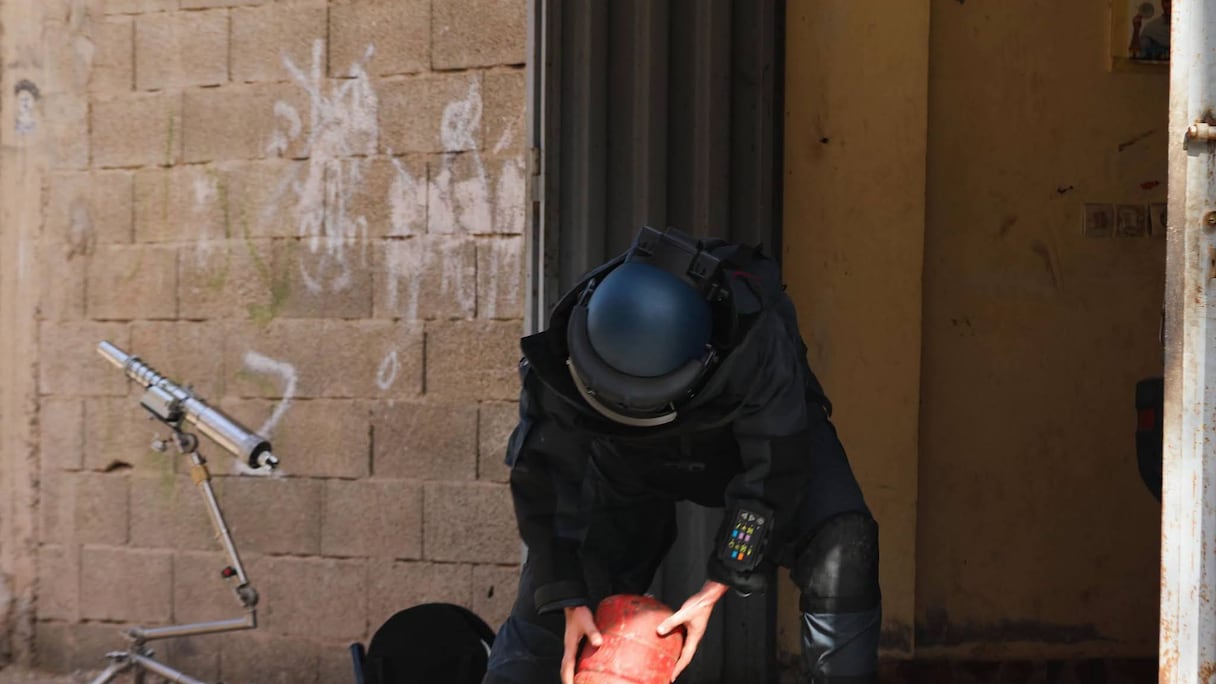
Once the zone was deemed safe, the inventory of the warehouse sent shockwaves through the investigation team. Dozens of gas canisters, pressure cookers rigged with shrapnel-filled explosives, electrical wiring, detonators, welding equipment, and substantial quantities of both solid and liquid chemical agents were seized. The scene confirmed what had been feared: this cell was not just planning attacks—it was manufacturing them.
A synchronized nationwide crackdown
While the operational heart of the cell was rooted in the Souss region, its web of connections extended across the entire Kingdom. To prevent the arrest in Aourir from triggering a premature alert, the DGST’s Special Forces executed a simultaneous, multi-city raid across seven strategic locations: Agadir, Taroudant, Casablanca, El Hajeb, Tétouan, Fquih Ben Salah, and Safi. Each location yielded critical evidence and suspects, demonstrating the depth and coordination of the terror network.


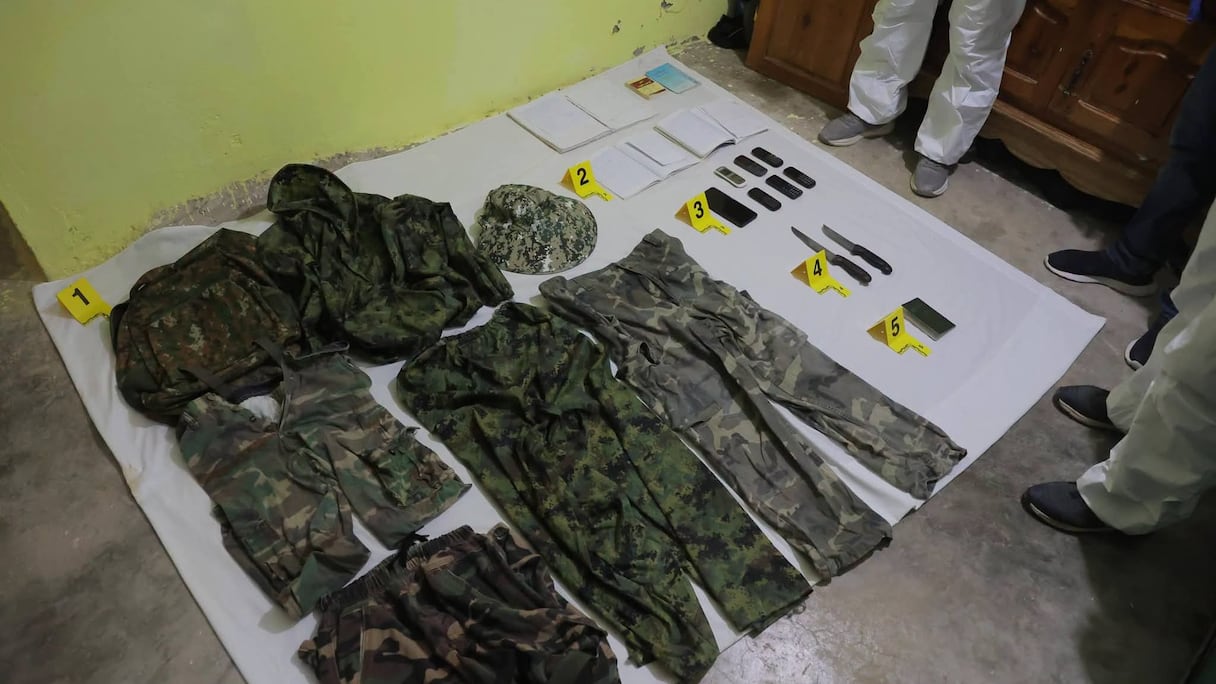

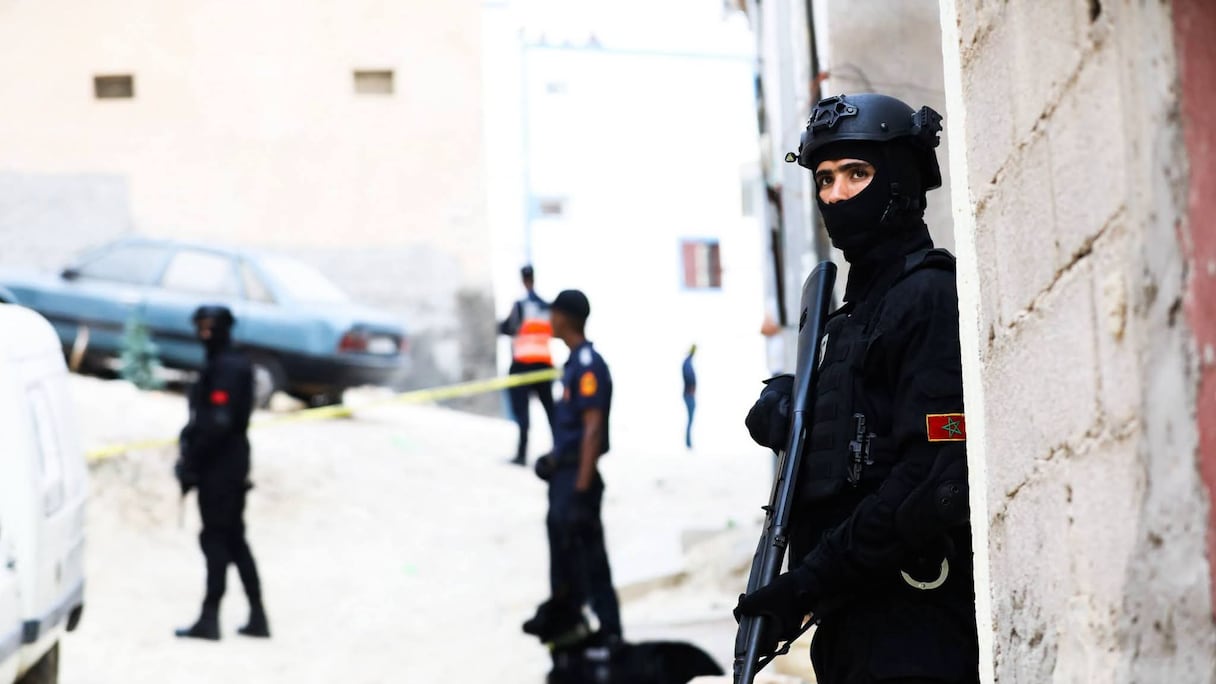
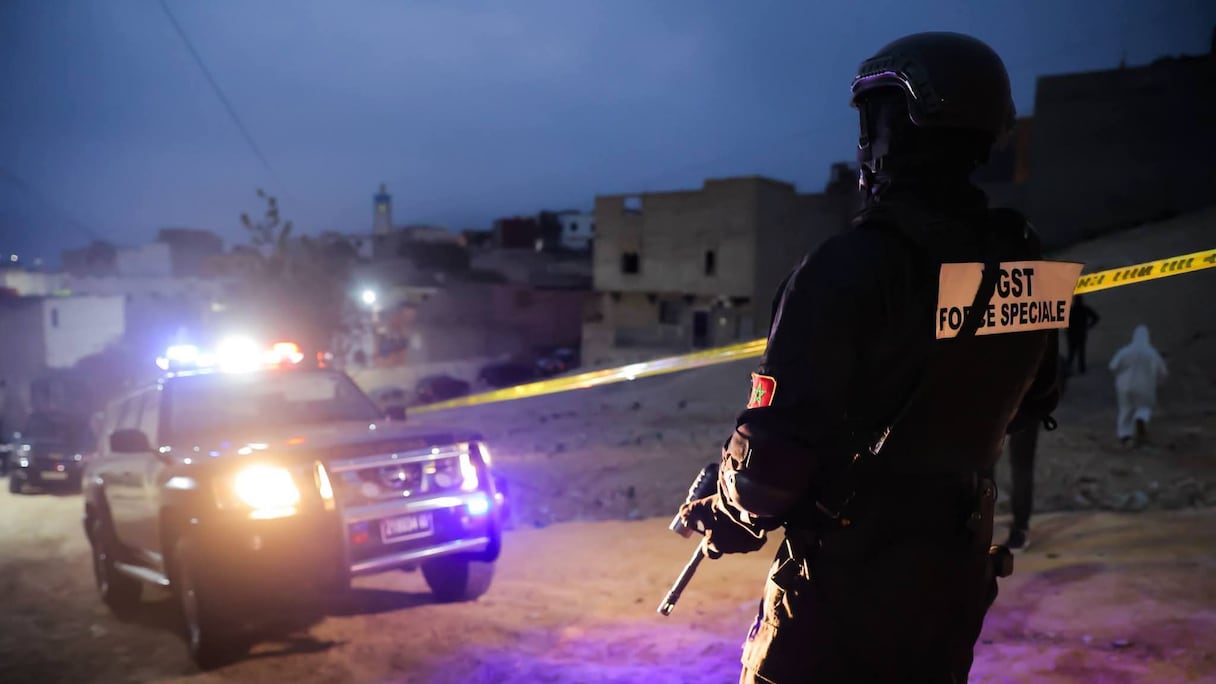
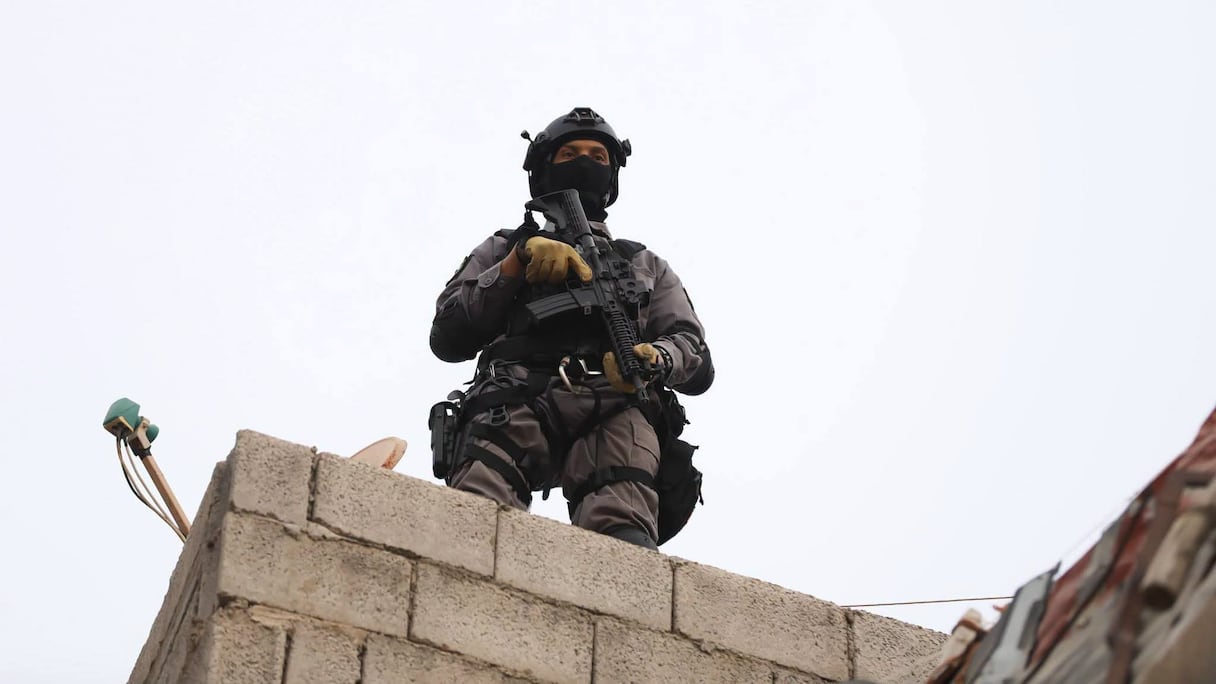

The operation resulted in the arrest of ten extremists, including a 17-year-old—a stark reminder of the insidious tactics used to recruit minors. Also among those detained was a former inmate previously convicted under anti-terrorism laws, highlighting the persistent challenge of recidivism within radical networks. Canine units, deployed to assist investigative teams, uncovered hidden caches at multiple locations: military uniforms, handwritten bomb assembly manuals, and digital storage devices containing two damning videos. One showed the suspects formally pledging allegiance to the so-called Caliph of Daech, while the other contained explicit threats to carry out large-scale sabotage across the country.
Direct links to Sahel-based terror networks
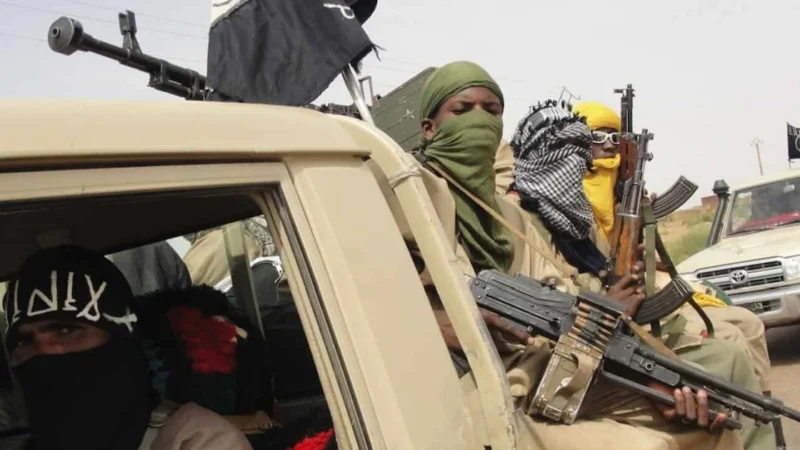
Preliminary findings underscore a troubling evolution in the terror landscape. Investigators have traced direct orders and logistical support from Daech operatives based in the Sahel. The directive was unequivocal: avoid joining insurgent groups in sub-Saharan Africa and instead remain in Morocco to execute internal attacks targeting national infrastructure.
The cell operated under a tightly compartmentalized military structure. A reconnaissance unit identified and monitored potential high-value targets. A logistics team discreetly procured chemical components, welding materials, and vehicles. Meanwhile, a technical unit in Inezgane focused on mechanical modifications and bomb assembly. This division of labor ensured operational security—and nearly succeeded in evading detection.
Thanks to the vigilance and rapid response of the DGST and BCIJ, a potential catastrophe was averted. Nine adult suspects were remanded in custody, while the minor was placed under specialized supervision under the oversight of the terrorism prosecution unit. As calm returned to Aourir and Inezgane, forensic teams and analysts at the BCIJ began the painstaking process of decrypting seized phones and hard drives. Their goal: to map encrypted communication lines with the Sahel and ensure no dormant threats remain unaddressed.