Military regimes tighten grip on civic space in Burkina Faso
Military regimes tighten grip on civic space in Burkina Faso
The arrest of prominent Imam Mohamed Ishaq Kindo and the suspension of Burkina Faso’s largest student union, the UGEB, signal a sharp crackdown under the current military administration. This week has seen escalating tensions, with civil liberties facing unprecedented pressure across the country.
Disappearance of Imam Kindo: growing alarm
Just before Eid al-Adha, masked security forces reportedly raided the home of Imam Mohamed Ishaq Kindo in Ouagadougou. The cleric, a respected voice in Burkina Faso’s Muslim community, had been a vocal critic of certain government policies, including a controversial draft law regulating religious practices.
A Burkinabè journalist in exile, Newton Ahmed Barry, noted: “Imam Kindo was one of the few Muslim leaders who initially supported Ibrahim Traoré but maintained a critical stance, particularly on public policy decisions.”
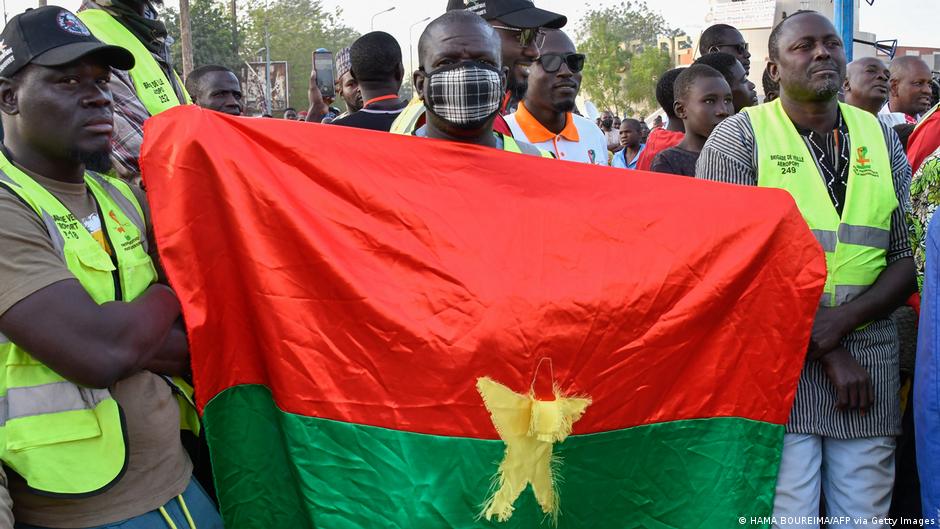
The arrest sparked immediate protests. Clashes erupted, leaving several injured, and dozens were detained. The Federation of Islamic Associations of Burkina Faso (FAIB) repeatedly urged calm, while social media became a battleground of misinformation. A fake statement claiming the imam’s death circulated before being debunked by prosecutors. Some videos alleging abuses were flagged for inconsistencies, with experts suggesting possible use of artificial intelligence.
UGEB suspension: students in the crosshairs
The military government has also suspended the Union of Burkinabè Students (UGEB) for three months, renewable. Its president, Bazo Wilfried, and several members were arrested. Authorities accuse the union of “terrorist propaganda” and “undermining the morale of security forces” after it criticized the country’s security situation, describing it as a “civil war” and highlighting the authorities’ “clear failure” to restore stability.
Mahamadou Idder Alghabid, Deputy Secretary-General of the Alliance of Sahel Democrats (ADS), condemned the accusations: “It’s laughable to label unarmed students as terrorists. This rhetoric is now common across the Sahel, where any dissent is swiftly crushed under accusations of terrorism or collaboration with militants.”
A regional pattern of repression
Burkina Faso is not alone. In Mali and Niger, human rights advocates report a steady erosion of public freedoms. Dissolutions of civil society groups, judicial harassment, and restrictions on free speech are intensifying under military rule in all three Alliance of Sahel States (AES) countries.
According to the ADS, the line between political dissent, union activity, and criminal offense is increasingly blurred, creating a climate of fear.
Resilience in the face of repression
Despite the risks—arrests, abductions, and violence—opposition voices persist, often from abroad. Mahamadou Idder Alghabid remains defiant: “We know the struggle ahead is immense, opposing three military regimes. But every day, we gain ground while they lose it. Their propaganda initially resonated, promising sovereignty and anti-imperialism. Yet, as Sahéliens, we see these promises crumble daily. People are abandoning the coup leaders.”
Newton Ahmed Barry predicts a turning point: “History shows that regimes built on repression ultimately collapse under the weight of their own excesses. Ibrahim Traoré’s rule is no exception. The Burkinabè people won’t stay silent forever.”
Call for international solidarity
Human rights organizations are calling for sustained international support. Ilaria Allegrozzi of Human Rights Watch emphasized: “Supporting civil society spaces and peaceful democratic resilience is crucial. Partners of Burkina Faso must stop hiding behind the idea that condemning the junta is counterproductive. Silence and ambiguity only legitimize authoritarian abuses.”
More broadly, the legitimacy of military rule is under scrutiny. Human Rights Watch stresses the need to “name these violations clearly and reject the normalization of coups and human rights abuses.”
Conclusion: a fight for fundamental freedoms
The events unfolding in Burkina Faso reflect a broader trend in the Sahel. As civic space shrinks and dissent is criminalized, the resilience of civil society offers a glimmer of hope. The international community’s role in defending these freedoms remains pivotal as the region navigates an uncertain future.