Civic space under siege in Burkina Faso as junta tightens grip
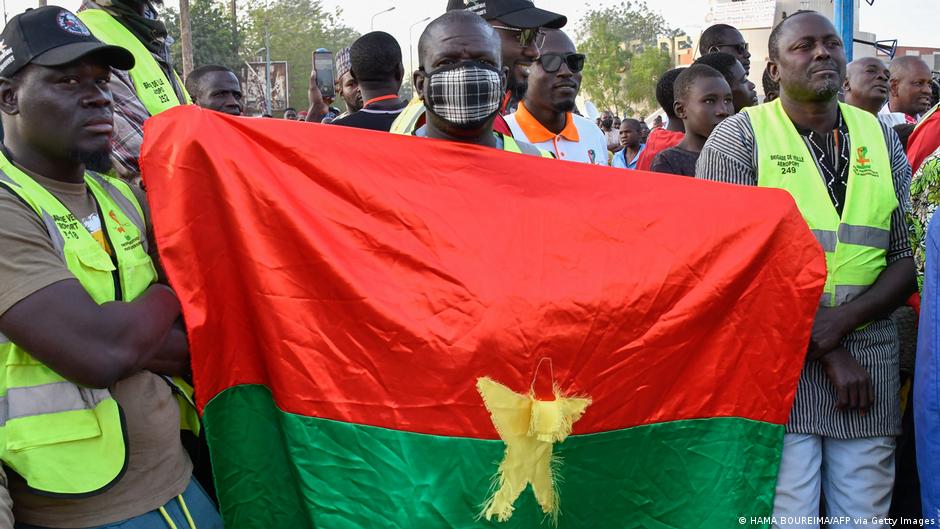
The recent arrest of prominent imam Mohamed Ishaq Kindo and the suspension of Burkina Faso’s largest student union have sent shockwaves through the nation, signaling a dramatic escalation in pressure on civic freedoms under the current military regime.

imam Kindo’s arrest sparks civic unrest
On the eve of Eid al-Adha, masked security forces stormed the home of Mohamed Ishaq Kindo, a respected imam whose criticism of government religious policies had made him a target. Witnesses described heavily armed officers detaining him without explanation, a move that has ignited protests across the country.
Kindo was not an obscure figure—his critiques extended beyond religious matters to broader governance issues, including the military’s handling of the security crisis. His arrest came just days after he publicly questioned a proposed law regulating public religious practices, particularly outdoor prayers.
Clashes erupted as supporters attempted to voice their dissent, resulting in multiple injuries and dozens of arrests. The Federation of Islamic Associations of Burkina Faso (FAIB) repeatedly called for calm, but tensions remain dangerously high.
disinformation campaign muddies the waters
The crisis has been exacerbated by a flood of misleading information. A fabricated statement claiming Kindo’s death circulated online before authorities swiftly denied it. Some videos allegedly showing security force abuses were later flagged by fact-checkers for inconsistencies, with experts suggesting possible AI manipulation.
Reports indicate several arrested protesters were transferred to military facilities in Kaya, a town in the Centre-Nord region, raising concerns about detainee treatment.
ugEB suspension: students face harsh crackdown
The military government has taken direct aim at organized dissent by suspending the Union of General Students of Burkina Faso (UGEB) for three months, with the possibility of renewal. Union leaders, including president Bazo Wilfried, were detained following sharp criticism of the government’s security strategy.
UGEB had accused authorities of failing to protect civilians, describing the situation as a de facto civil war and condemning the military’s manifest incompetence. The junta responded with terrorism-related charges, a tactic increasingly used across the Sahel to silence critics.
regional pattern of repression
Observers warn this is not an isolated incident but part of a disturbing trend. In Mali, Niger, and Burkina Faso—all governed by military juntas—civic space is rapidly contracting. Civil society groups face dissolution, judicial harassment, and restrictions on free expression.
Mahamadou Idder Alghabid, deputy secretary-general of the Alliance of Sahel Democrats, condemned the tactic: “It’s laughable to accuse unarmed students of terrorism. But this is now the standard playbook across the Sahel: any form of dissent is met with terrorism accusations and violent suppression. This language has become depressingly common in all three countries ruled by juntas.”
junta’s strategy of fear backfires
Analysts suggest the regime’s heavy-handed approach may be counterproductive. Newton Ahmed Barry, a Burkinabè journalist in exile, argues the junta is using fear to consolidate power: “Their logic is simple: the more people fear them, the easier they can control society. They’re traumatizing the population to ensure absolute obedience.”
But Barry predicts this strategy will ultimately fail: “Authoritarian regimes always collapse under the weight of their own excesses. Ibrahim Traoré’s regime is no exception. The Burkinabè people are not broken—they will fight back.”
voices of resistance persist despite risks
Despite arrests, abductions, and threats, opposition voices continue to challenge military rule, often from abroad. Alghabid insists the tide is turning: “We know the struggle is immense—facing three juntas is no small feat. But every day, we gain ground while they lose it. Their propaganda initially resonated, offering hollow promises of sovereignty and anti-imperialism. But reality has exposed these lies. The people of the Sahel are waking up and abandoning these putschists.”
international support urged
Human rights advocates are calling for sustained international pressure. Ilaria Allegrozzi of Human Rights Watch stressed the need to protect civic spaces and democratic resilience: “Partners must stop hiding behind the false narrative that criticizing juntas is counterproductive. Silence and ambiguity only enable authoritarian drift.”
The organization also emphasized the importance of naming and condemning violations: “We must have the courage to call out abuses and reject the normalization of military coups and human rights violations as acceptable governance.”