Mali’s economic outlook darkens amid rising risks and financing challenges
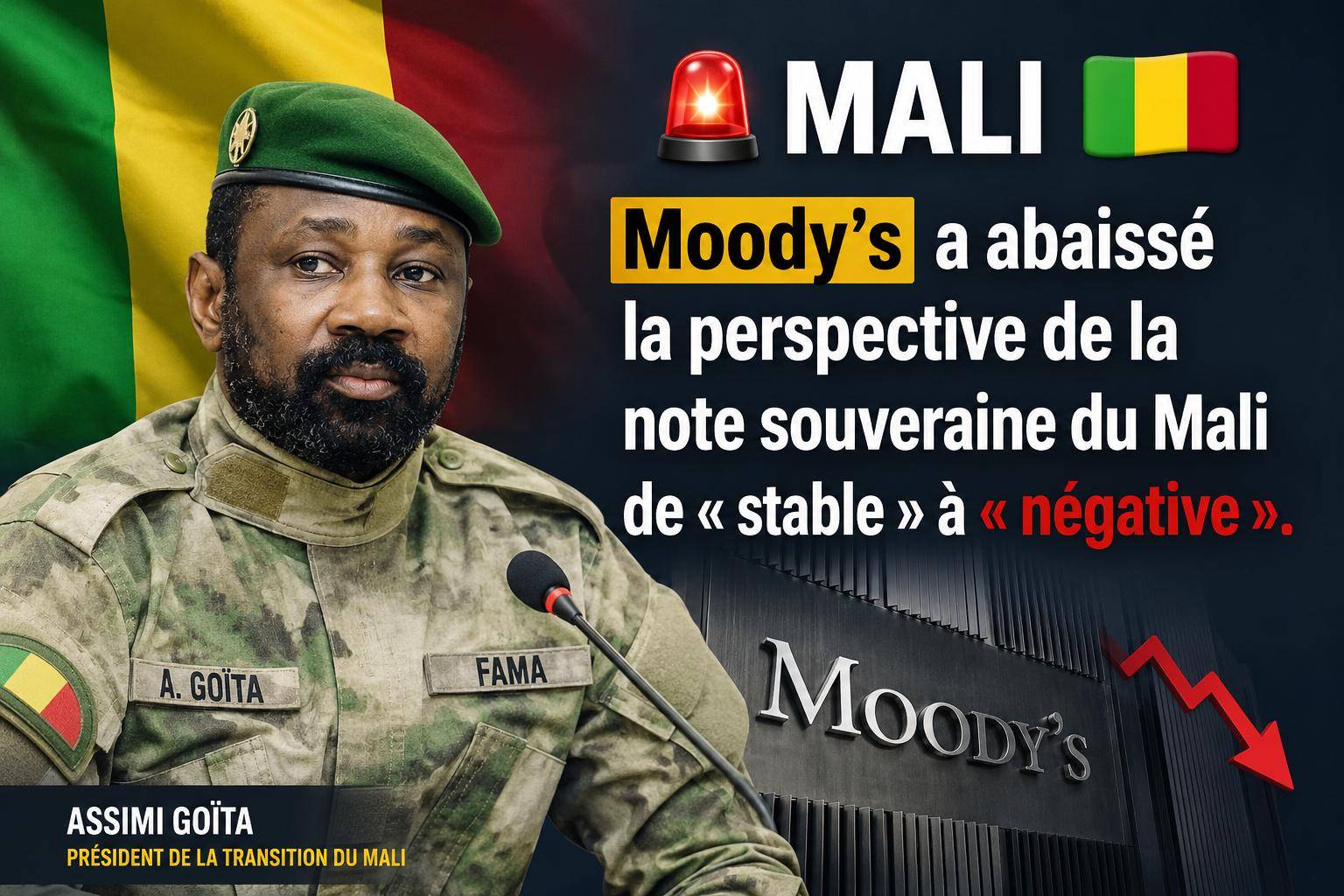
In a move that underscores growing concerns about Mali’s economic resilience, Moody’s Investors Service has downgraded the country’s sovereign credit outlook from stable to negative, while retaining its Caa2 rating. This adjustment reflects mounting pressures across security, financing, and political fronts, sending ripples through regional and international investor circles.
Why Moody’s decision matters for Mali’s economy
The downgrade serves as a stark indicator of investor sentiment, signaling elevated risks of a further credit rating cut in the near to medium term. Already classified as a high-risk, speculative-grade issuer under the Caa2 rating, Mali now faces even tighter constraints in accessing affordable capital—an essential ingredient for economic recovery and growth.
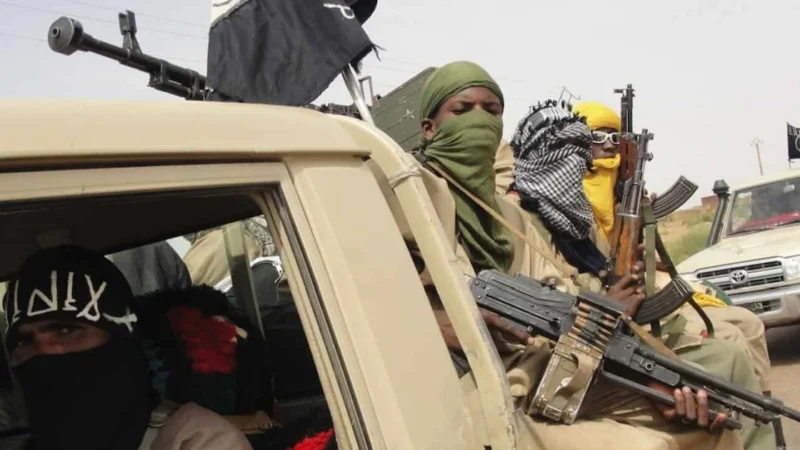
Several pressing challenges lie at the heart of Moody’s revised outlook. First among them is the deteriorating security environment, which continues to undermine economic stability. Despite ongoing military restructuring and counterinsurgency efforts, persistent attacks and territorial instability disrupt supply chains, cripple agricultural output, and hinder the state’s ability to generate sufficient fiscal revenue in several regions.
Financing hurdles deepen as regional markets tighten
The second major concern highlighted by the rating agency is Mali’s growing difficulty in securing financing. With traditional external funding sources restricted due to diplomatic and institutional shifts, Bamako has increasingly relied on the regional debt market within the West African Economic and Monetary Union (UEMOA).
But this lifeline is now under strain. The West African Central Bank (BCEAO) has raised interest rates in a bid to curb inflation, pushing borrowing costs higher for all member states—including Mali. Recent government bond issuances have seen lukewarm investor demand, particularly from commercial banks, wary of the country’s rising credit risk. The result is a sharp increase in debt servicing costs, leaving less fiscal room for critical infrastructure projects and essential public services.
Political uncertainty casts a long shadow
The third pillar of Moody’s assessment points to governance and political instability. Mali remains in a protracted transition period, with repeated delays in electoral timelines and uncertainty surrounding the return to constitutional order. Such ambiguity has already prompted caution among multilateral partners and development financiers.
Adding to the complexity is Mali’s decision to exit the Economic Community of West African States (ECOWAS) as part of the Alliance of Sahel States (AES), alongside Niger and Burkina Faso. While authorities frame this move as a step toward greater sovereignty and strategic realignment, global investors view it as a source of legal and commercial uncertainty. Fears of future trade barriers or disruptions to capital flows within the region are dampening investor confidence.
Real-world consequences for Mali’s citizens
Beyond financial jargon, Moody’s decision carries tangible consequences for ordinary Malians. Higher sovereign borrowing costs mean less public funding for essential services like healthcare, education, and food subsidies. For local businesses—especially small and medium-sized enterprises (SMEs)—the fallout is immediate. Banks, increasingly exposed to government debt, have become more hesitant to extend credit to the private sector. This credit squeeze stifles job creation and slows economic diversification.
Despite these headwinds, Mali’s economy has shown remarkable resilience, particularly in the gold mining and cotton sectors. Yet, in an interconnected global financial system, no economy—no matter how resource-rich—can operate in isolation. To reverse Moody’s negative outlook, authorities must navigate a delicate balancing act: restoring security, clarifying the political transition roadmap, and demonstrating fiscal discipline to rebuild investor trust across West Africa.