Corruption in Burkina Faso’s civil service exposed by fake diplomas
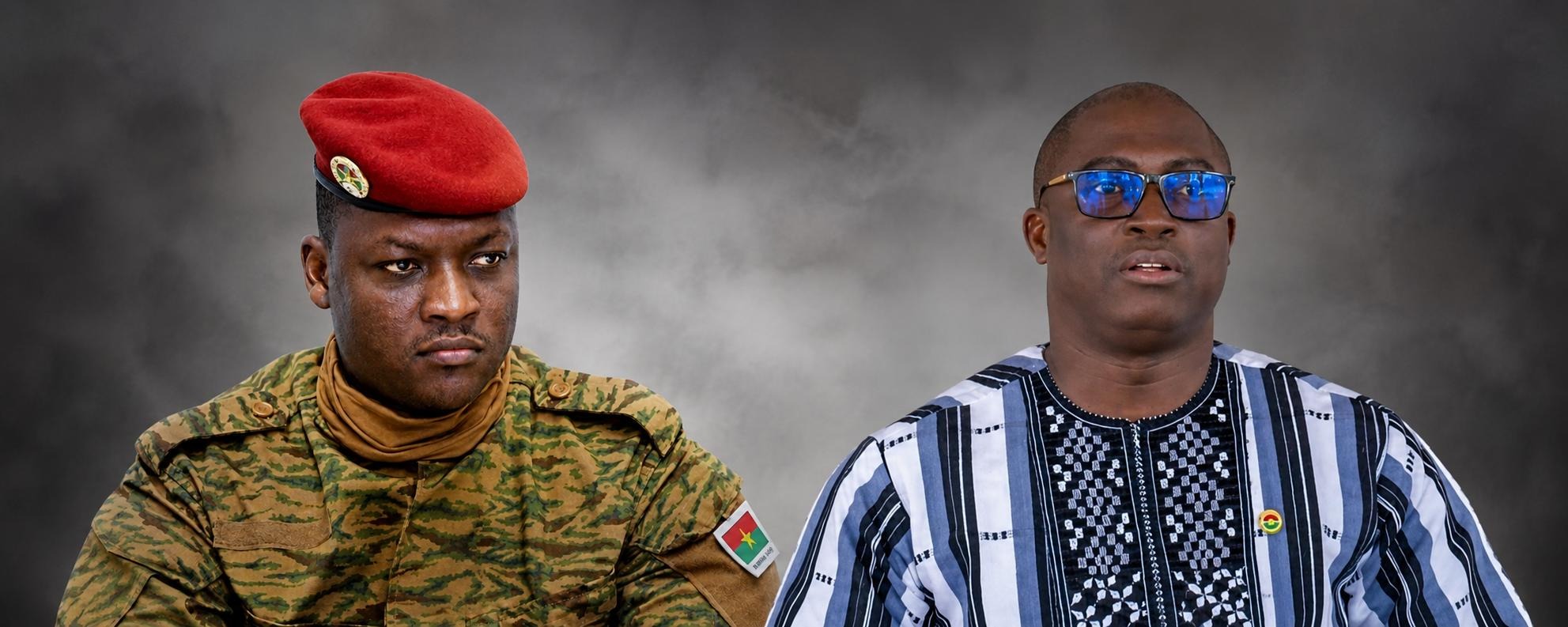
Fake credentials plague Burkina Faso’s civil service, threatening national progress
The recent dismissal of three high-ranking public officials—one from the Presidency, another from the Ministry of Water and Forests, and a third from the Ministry of Information—has exposed a long-standing scandal: Burkina Faso’s civil service is riddled with counterfeit academic credentials. Beyond the financial losses and social injustices, this systemic fraud reveals a deep-rooted failure in public governance, directly undermining the state’s ability to address critical developmental challenges.
The illusion of competence: a vacuum at the heart of decision-making
A forged diploma is far more than an administrative misstep; it represents the deliberate recruitment of incompetence into positions of power. In a country striving for renewal amid multifaceted crises, strategic leadership demands not only technical expertise but also the capacity to analyze, innovate, and design locally tailored solutions.
Those who rise through deception lack the rigorous academic foundation built on research, methodological discipline, and intellectual debate. Without these tools, they are ill-equipped to interpret macroeconomic indicators or navigate complex financing mechanisms. Their inability to strategize forces the public sector into reactive, routine-based management, perpetuating a cycle of underperformance.
The erosion of meritocracy and the rise of mediocrity
The most damaging consequence of this fraud is the corruption of the managerial environment within ministries. Officials who attained their positions through deceit often surround themselves with submissive colleagues, stifling innovation and marginalizing genuinely qualified professionals. This self-serving co-optation fosters a culture of conformity, where bold thinking and technical excellence are suppressed in favor of mutual complacency.
Over time, the system becomes self-reinforcing, prioritizing loyalty over competence and shielding its flaws from scrutiny. The result is a civil service that prioritizes appearances over performance, with far-reaching consequences for governance and development.
A systemic overhaul is long overdue
Burkina Faso cannot afford to sustain a public administration built on superficial qualifications. As long as academic standards are routinely bypassed, development strategies remain empty rhetoric, confined to desk drawers instead of driving real change.
Selective dismissals, while necessary, are insufficient to address this crisis. The only path forward is a comprehensive, digitized, and uncompromising audit of all civil service credentials. Such a measure is not just advisable—it is an urgent public necessity. Restoring the state’s credibility and unlocking genuine progress requires nothing less than a complete dismantling of this fraudulent system.