Senegal’s shifting political landscape and the imf’s growing influence
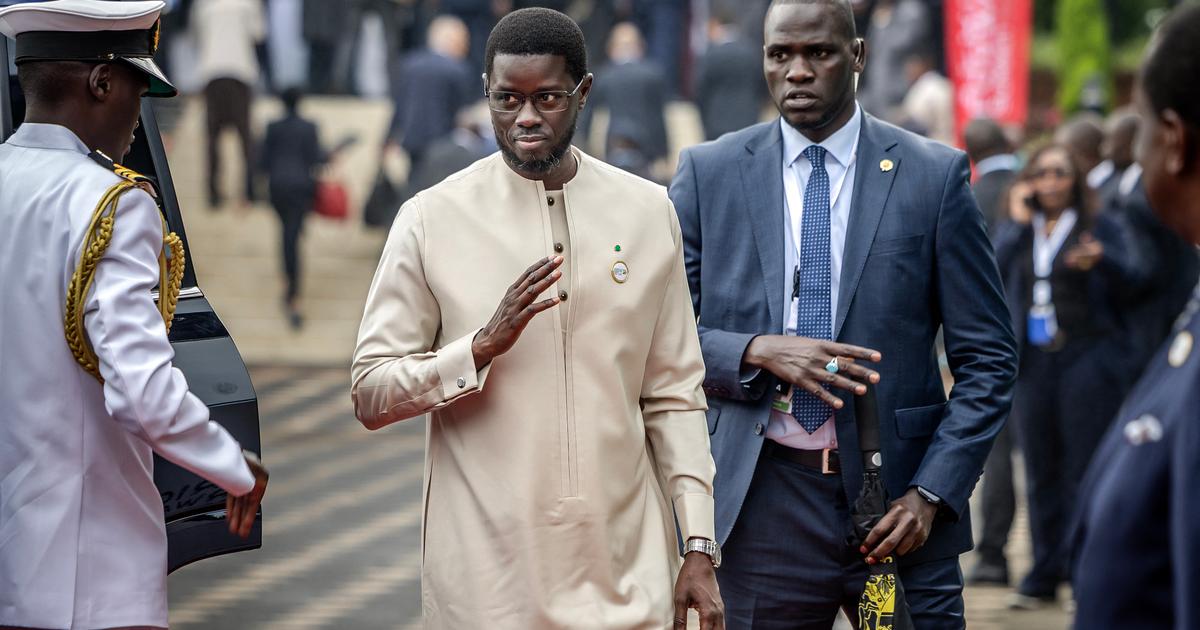
In Senegal, a political reshuffle of unprecedented speed has unfolded over the past days, reshaping the balance of power in ways that may favor closer alignment with international financial institutions. The sequence began on May 22 with the dismissal of former Prime Minister Ousmane Sonko by President Bassirou Diomaye Faye, followed by the election of Sonko as Speaker of the National Assembly on May 26, and the appointment of Ahmadou Alhaminou Mohamed Lô as the new head of government on May 25. Observers describe this as “a political shift of historic proportions.”
But what does this rapid restructuring mean for the country’s economic future? The stakes could not be higher. Senegal stands on the brink of a financial precipice, as warned by economist Abdoulaye Ndiaye in a widely discussed analysis. With public debt soaring to 132% of GDP and debt servicing becoming increasingly uncertain due to rising energy costs stemming from geopolitical tensions, the pressure on the national budget has never been more intense.
The economic crisis has intensified debates over the role of international financial institutions, particularly the International Monetary Fund (IMF). While previous attempts to restructure the economy in line with IMF recommendations faced strong resistance from the Pastef party, the current political realignment suggests a potential shift in policy direction. Analysts are now questioning whether this new configuration of power could pave the way for more receptive negotiations with global financial actors.