Lens’ historic 1998 Wembley win: goalkeeper Warmuz’s inside story
On November 25, 1998, Lens etched their name into football history by becoming the first French club to triumph at Wembley. Guillaume Warmuz, the former goalkeeper of the Sang et Or, reflects on that unforgettable evening when his team defied the odds against Arsenal in the UEFA Champions League.
a moment of pure grace
As the Lens squad stepped off their team bus near Wembley, Warmuz recalls the palpable sense of destiny. « We knew we were part of something special that night, » he shares. « The atmosphere was electric. Playing at Wembley, in front of thousands of our supporters, against a team like Arsenal—it didn’t feel like a regular match. It was a reward for our French league title, and we were determined to savor every second. »
tactical daring and defensive innovation
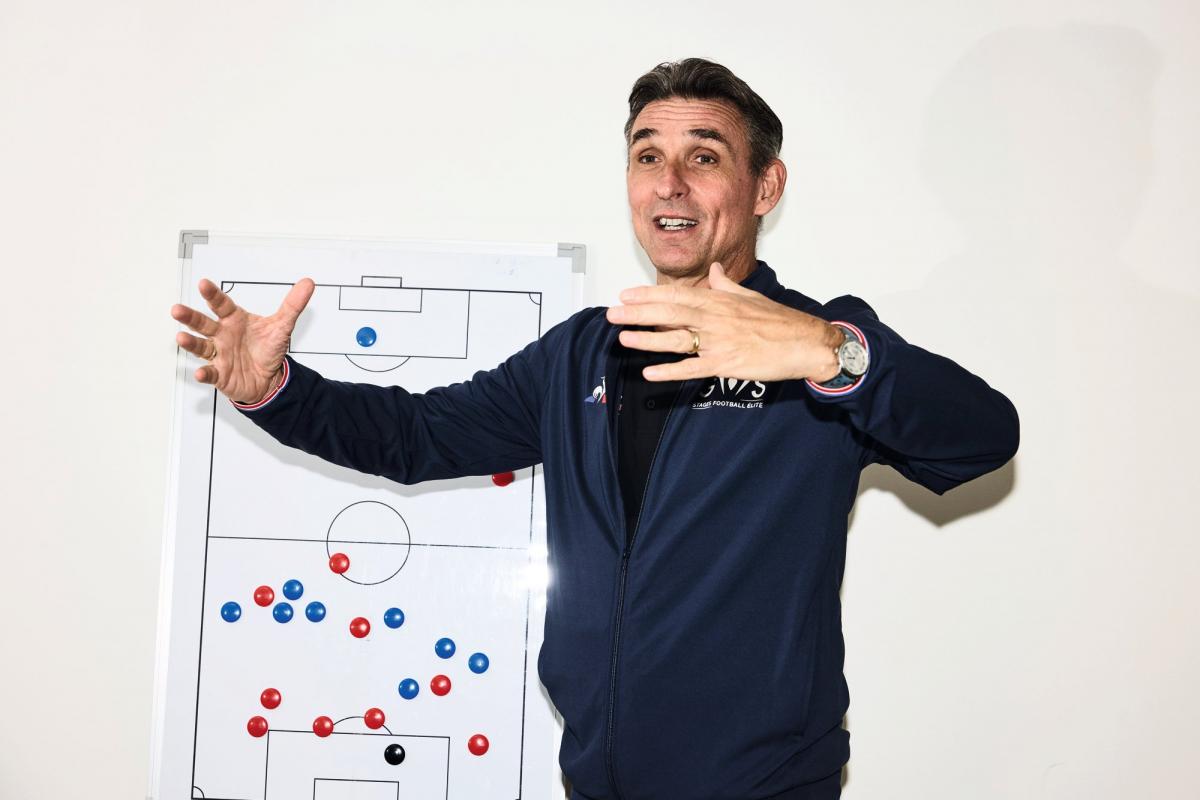
The Lens coach, Daniel Leclercq—nicknamed « Le Druide »—opted for a bold strategy. « He told us to play without fear, to attack relentlessly, and to disrupt Arsenal’s rhythm, » Warmuz explains. The team’s approach was simple yet daring: a high defensive line, aggressive pressing, and a tactical shift to a four-man defense, despite their usual three-center-back setup.
Warmuz elaborates: « We split the team into two blocks—five in the attacking unit and five in the defensive line. It was a high-risk, high-reward system. Frédéric Déhu and Cyrille Magnier anchored the defense, covering wider areas than usual, while Mickaël Debève and Cyril Rool pushed forward to support the attack. »
defensive mastery under pressure
In the opening minutes, Lens faced an early scare when Nicolas Anelka broke through their defensive line. Warmuz’s reflexes were put to the test. « I had to sprint out of my goal to intercept him. I anticipated his run perfectly and managed to tackle the ball away. If he had pushed it even a meter further, it would have been a goal. » The goalkeeper’s intervention set the tone for the match, showcasing his ability to read the game under extreme pressure.
Another critical moment came when Marc Overmars surged into the box. Warmuz recalls: « I came out at full speed, read his body language, and intercepted the ball before he could take a shot. It was a game of inches, and we made sure to stay one step ahead. »
the turning point: a match decided by composure
At halftime, the score remained 0-0, but Lens’s tactical discipline paid off. Warmuz remembers the calm in the dressing room. « Our coach told us we were doing everything right, but reminded us to stay compact. We were playing too expansively at times, and that’s where Anelka could exploit gaps. »
The second half saw Lens maintain their intensity. Pascal Nouma nearly scored what would have been the match’s best chance, but his shot flew high over the bar. Warmuz reflects: « When I saw the ball go over, I was heartbroken. But we knew we had to keep pushing. »
The breakthrough came in the 73rd minute. After a quick counterattack, Wagneau Éloi delivered a cross to Mickaël Debève, who scored the decisive goal. « The joy was overwhelming, but we stayed focused. Winning at Wembley was surreal, and we couldn’t afford to lose our heads. »
the legacy of a footballing miracle
As the final whistle blew, Warmuz felt an overwhelming sense of pride. « I’ve never felt so alive on a football pitch. I made no technical or tactical errors, and we didn’t concede a single goal. It was the pinnacle of my career. »
For Warmuz, the victory transcended football. « I walked onto the pitch alone after everyone had left. The floodlights dimmed one by one, leaving only the faint glow of the stadium’s interior lights illuminating the foggy air. I stood there, in the silence of Wembley, and said to myself: ‘Not only did I win at Wembley, but I was the first to do it.’ »