Senegal Mali border trade route faces major disruption
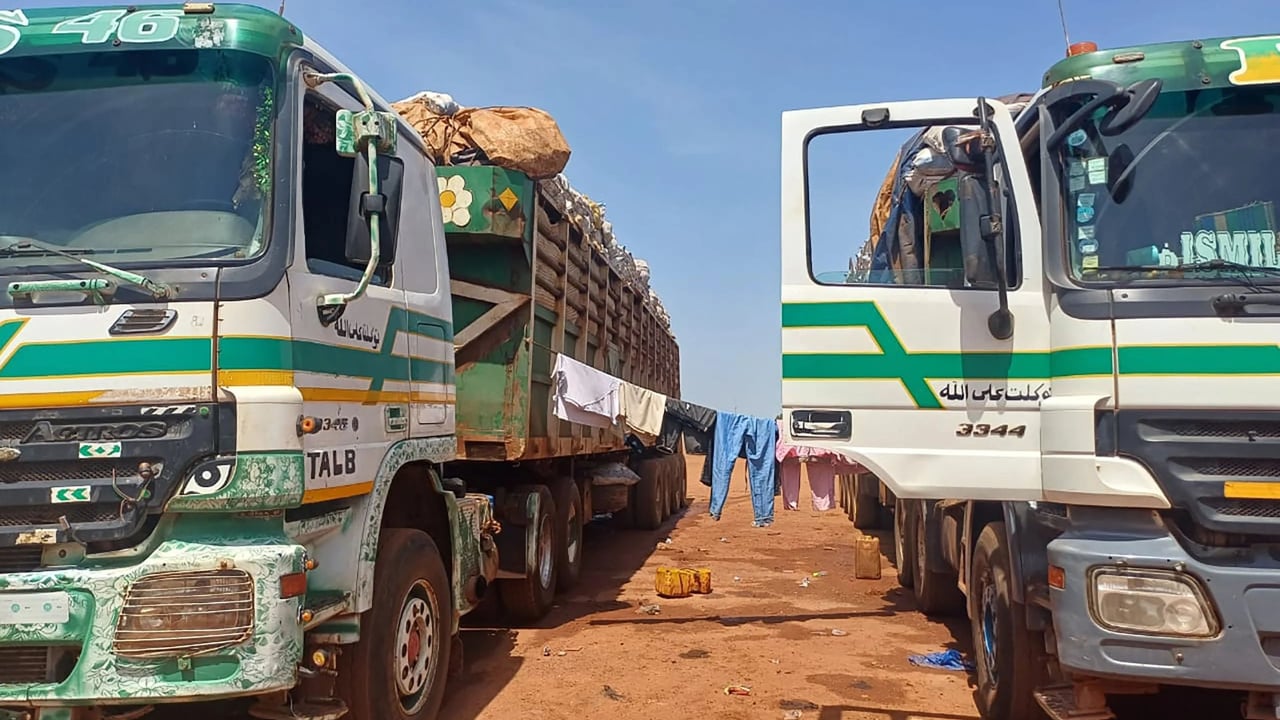

Heavy congestion has brought cross-border commerce to a near standstill along the Dakar-Bamako trade corridor, a vital artery for economic exchange between Senegal and Mali. The disruption, centered at the Kidira border crossing, has left transporters stranded and businesses scrambling to adapt to the sudden halt in freight movement.
What’s blocking the flow of goods?
The logjam stems from heightened security measures implemented at the frontier, where authorities have intensified inspections to curb illicit activities. While the crackdown aims to enhance safety, it has inadvertently paralyzed the flow of commercial goods, leaving truck drivers in limbo. Many have been forced to wait for days, their cargoes piling up as clearance procedures drag on.
The situation has triggered frustration among business owners who rely on this route for imports and exports. Senegalese traders, in particular, are feeling the pinch, as delays threaten to disrupt supply chains for essential commodities. The economic ripple effects are already being felt, with some predicting potential shortages in key markets.
Stakeholders voice their concerns
Transporters and logistics operators have raised alarms over the mounting losses. “We’ve been stuck here for over 72 hours,” shared one driver. “Fuel costs are piling up, and perishable goods are at risk.” Local merchants have echoed these concerns, warning that prolonged disruptions could drive up prices and strain consumer confidence.
Government officials have acknowledged the challenges but insist the measures are necessary to address security threats. Meanwhile, calls for streamlined border protocols are growing louder, as stakeholders urge a balanced approach that safeguards both safety and economic vitality.
What’s next for the Dakar-Bamako corridor?
As authorities weigh their next steps, the future of this critical trade route remains uncertain. Traders are calling for urgent dialogue to resolve the impasse, while transporters explore alternative routes—though these come with their own set of logistical hurdles. The coming days will be pivotal in determining whether the flow of goods can resume smoothly or if the disruption will deepen.
The situation underscores the delicate balance between security imperatives and the economic needs of West African nations. For now, the Kidira crossing remains a flashpoint, its resolution critical to restoring stability in regional trade.