Key political challenges awaiting Ousmane Sonko at Senegal’s national assembly
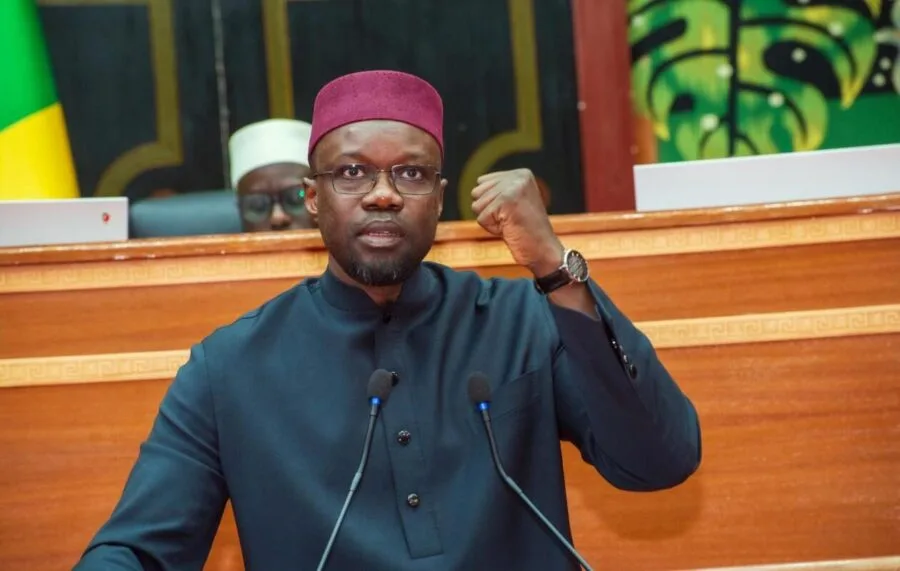
Ousmane Sonko faces pivotal parliamentary session amid national debate
On Friday, May 22, 2026, Prime Minister Ousmane Sonko will stand before the National Assembly for the traditional questions d’actualité session, a constitutional exercise that has taken on heightened significance in Senegal’s evolving political landscape.
The session, confirmed by Assembly President El Malick Ndiaye, comes at a time when both domestic pressures and institutional reforms are reshaping the country’s governance framework. While the format typically focuses on government accountability, this appearance carries additional weight given the current socio-political climate.
Constitutional reforms and electoral code: battleground of competing visions
The most contentious issue will undoubtedly be the electoral code reform, which opponents describe as a legislative maneuver designed to favor the ruling party. Critics, including opposition figures, have gone so far as to call it a “custom-tailored” law for the Pastef movement and its leader. Sonko may be pressed to clarify the government’s stance on these allegations and the broader implications for electoral transparency.
Equally pressing are the proposals for institutional reforms, which the administration presents as essential for modernizing Senegal’s governance. However, opposition voices demand greater inclusivity in the reform process, warning against any measures perceived as unbalanced or politically motivated. The upcoming session could provide Sonko with a platform to outline the government’s vision for these changes and address concerns about their implementation.
Economic pressures and social expectations
Beyond constitutional debates, the Prime Minister will face questions about the country’s economic trajectory. Rising living costs, youth unemployment, and infrastructure development remain pressing concerns for Senegalese citizens. The government’s handling of public finances, agricultural policies, and job creation initiatives will likely dominate the discussion, as citizens demand tangible results nearly two years after the March 2024 political transition.
The session also presents an opportunity for Sonko to address the budgetary outlook and the government’s strategy for navigating regional economic uncertainties, including fluctuations in global markets and supply chain disruptions.
Political dynamics: power dynamics and public expectations
A defining feature of this session will be the interaction between the executive branch and the ruling party. Recent statements by President Bassirou Diomaye Faye have sparked debate about the balance of power within Pastef and the need for party officials to prioritize government work over partisan politics. Sonko’s responses could help clarify the government’s operational priorities and dispel speculation about internal divisions.
Additionally, the Prime Minister may be called upon to address rumors regarding his potential resignation, a topic that has fueled media speculation. This session could serve as a definitive moment to clarify his position and reinforce government stability.
The road ahead: local elections and presidential stakes
With local elections on the horizon and the 2029 presidential race looming, the May 22 session is more than a routine parliamentary exercise. It represents a critical juncture where Sonko can reaffirm his leadership, defend his government’s record, and outline future policy directions. The outcome of this session could influence public perception ahead of the upcoming electoral cycles, making it a pivotal moment in Senegal’s political calendar.
As the Prime Minister prepares to address the Assembly, all eyes will be on his ability to navigate these complex issues while maintaining public trust and political cohesion.