Ivory Coast’s debt strategy: how smart financing is powering education and AI in schools
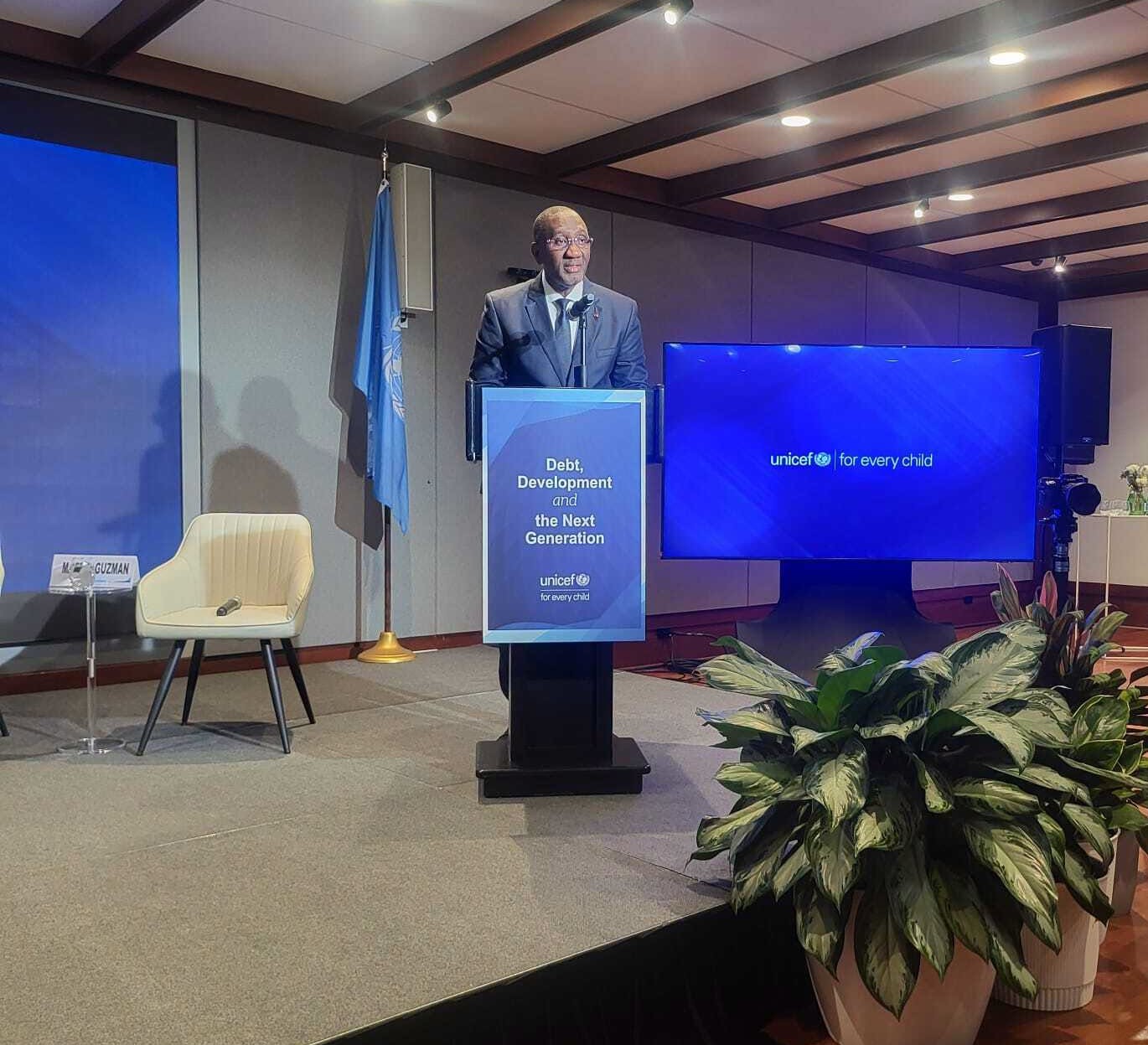
Côte d’Ivoire champions debt-to-education model at UNICEF’s New York summit
During a two-day UNICEF high-level forum in New York, Ivory Coast’s Minister of Planning and Development, Dr. Souleymane Diarassouba, unveiled how the country is reimagining debt as a force for educational progress and technological innovation. The September 2026 sessions focused on sustainable financing for education and artificial intelligence in learning, where Ivory Coast shared its groundbreaking strategies to safeguard investments in human capital.
AI-driven financing: Ivory Coast pioneers sustainable loan tied to learning outcomes
On September 21, at the Learn AI Global Compact event under the theme “Responsible AI for every learner”, the Minister presented Ivory Coast’s pilot program linking debt to measurable educational results. This initiative builds on a 2025 framework where Ivory Coast secured a €433.3 million sovereign loan—the first of its kind in West Africa—whose repayment terms adjust based on renewable energy progress and reforestation milestones. The loan is backed by the World Bank’s International Bank for Reconstruction and Development (IBRD) and the Multilateral Investment Guarantee Agency (MIGA).
At the forum, discussions explored extending this model to education through education-linked sustainability bonds. Under this approach, loan conditions would be tied to verified national learning outcomes, such as literacy rates or digital literacy scores. For this to work, Ivory Coast stressed the need for robust indicators, prudent risk management, and alignment between loan duration and education investment cycles.
Key principles guiding Ivory Coast’s debt-to-education strategy
- Transparent learning metrics: Reliable, third-party verified indicators to measure educational impact.
- Child data protection: Strict safeguards for student data and ethical AI use in classrooms.
- Balanced risk management: Ensuring debt repayment terms match the lifespan of funded infrastructure and programs.
- Public accountability: Clear governance roles for the state and educators in curriculum and technology choices.
Ivory Coast’s National Development Plan (NDP 2026–2030) places digital transformation and AI at the heart of education reform. The country is actively collaborating with UNICEF and partners in the Learn AI Global Compact to refine verifiable learning indicators and design sustainable financing mechanisms that align with these goals.
Debt with purpose: Ivory Coast redefines how debt shapes children’s futures
On September 22, the Minister addressed a UNICEF session on “Debt, development, and future generations”, highlighting a critical global imbalance: nearly 400 million children live in countries where debt growth outpaces investments in health, education, and nutrition. Ivory Coast rejected the idea that debt must be erased to be ethical—instead, it championed a model where debt is restructured to serve people.
According to the NDP 2026–2030, Ivory Coast’s debt strategy prioritizes human capital development, including maternal and child health, universal health coverage, social protection, and improvements in the Human Capital Index. The plan emphasizes sustainable debt management, fiscal resilience, and access to better financing terms.
How Ivory Coast turned debt into a tool for education and social change
In 2024, with World Bank support, Ivory Coast executed a debt-for-development swap, refinancing nearly €400 million in commercial debt. The initiative unlocked €330 million in budgetary resources over five years—with a significant portion earmarked for education through national budgetary mechanisms.
As Diarassouba stated: “Human-faced debt isn’t debt erased—it’s debt deployed where it matters most: health, education, and child protection.”
From strategy to impact: Ivory Coast’s vision for sustainable education finance
The dual interventions in New York showcased Ivory Coast’s integrated approach: preserving debt sustainability while redirecting resources to national priorities like education, health, and social protection. The country is not only rethinking how debt is structured but also how it can catalyze long-term human development.
The 2026–2030 plan doubles down on digital education, AI integration in schools, and scalable financing models that can be replicated across Africa. By aligning financial instruments with educational outcomes and social impact, Ivory Coast is setting a new standard—one where debt serves people, not the other way around.