How the port of Conakry facilitates russian arms supply to Mali
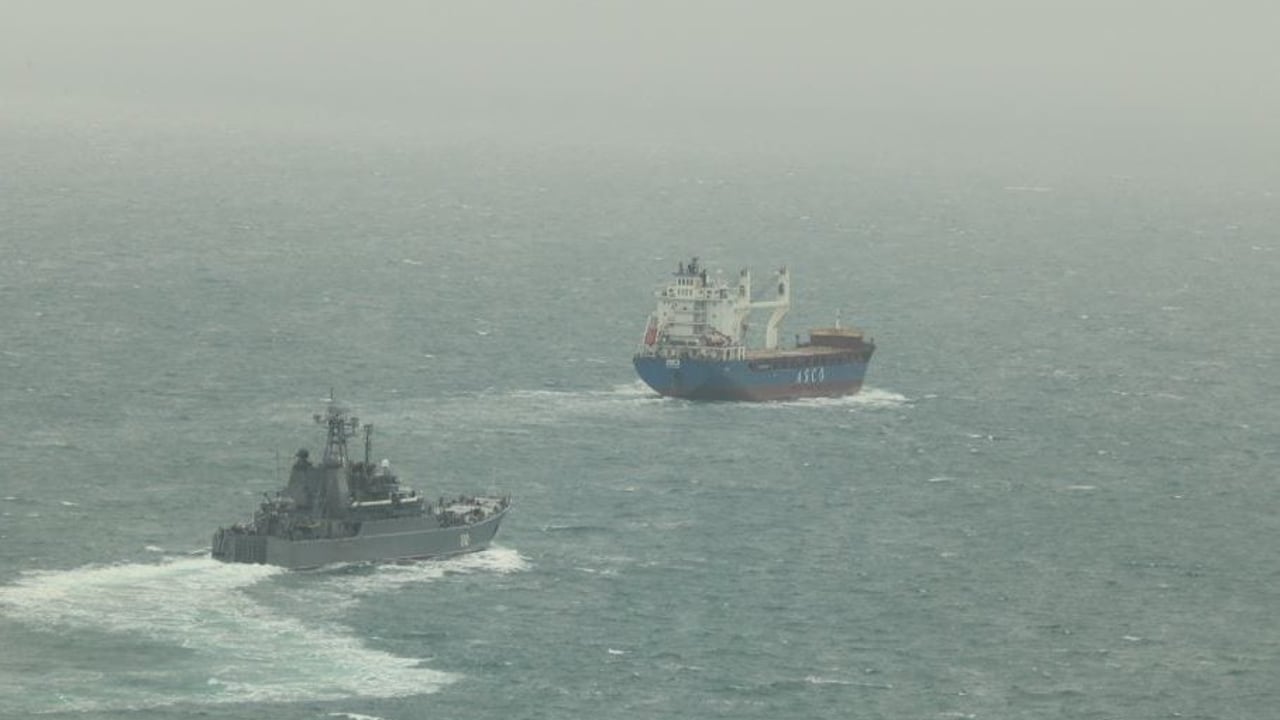
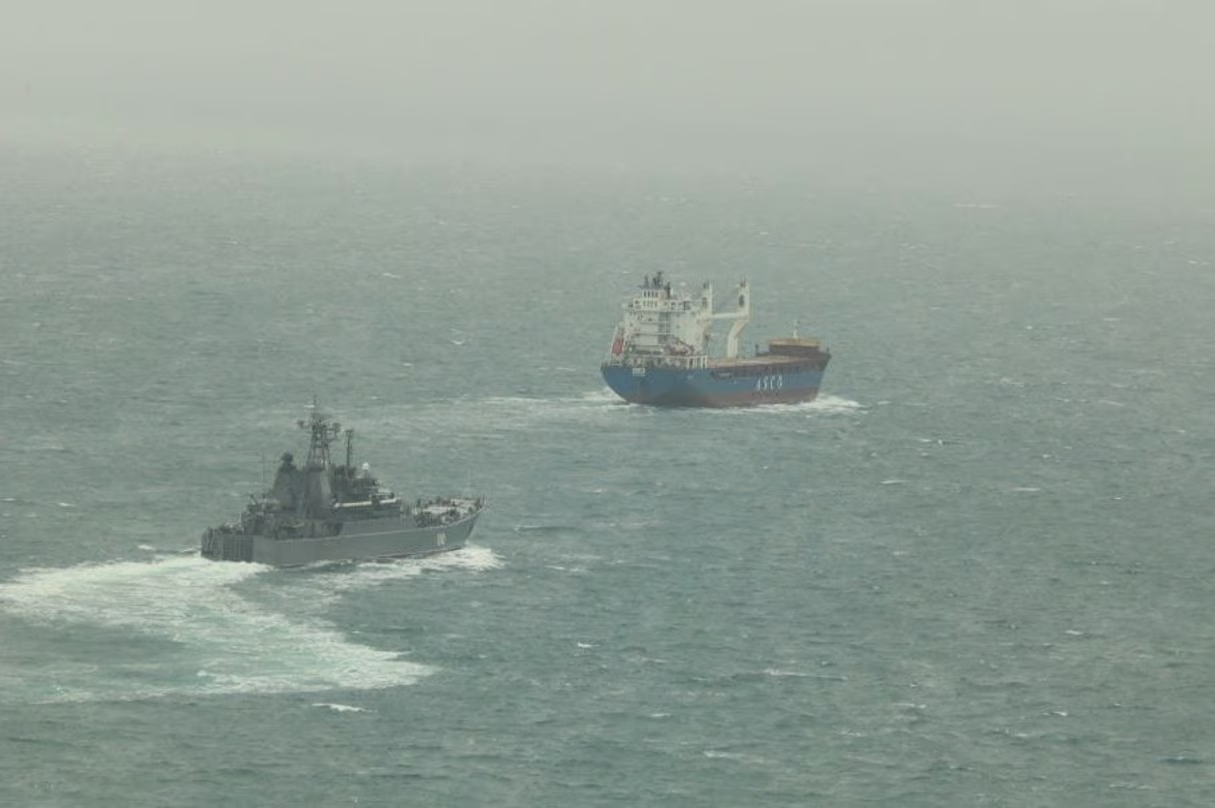
The port of Conakry, the capital of Guinea, has emerged as a critical transit hub for military equipment bound for Mali. Investigations reveal a growing pattern of Russian-flagged cargo vessels docking in Conakry, often under opaque arrangements, before proceeding to Malian ports.
This development underscores Guinea’s strategic position along West Africa’s coastal trade routes, while raising questions about the oversight of international maritime regulations. The cargo ships, including the Sabetta, have been observed transporting goods linked to military logistics, with some consignments reportedly associated with Russian private security firms and state-backed entities.
logistical routes and circumvention of controls
Shipments arriving in Conakry are frequently rerouted under cover of night or through intermediary documents that obscure their final destination. Customs records, when accessible, often list generic cargo descriptions, making it difficult to trace the true nature of the goods.
Analysts highlight that these operations exploit gaps in regional and international maritime security frameworks. The use of civilian ports for military transfers complicates enforcement, particularly in jurisdictions where port authorities lack the resources or mandate to scrutinize high-risk cargo.
regional implications and governance challenges
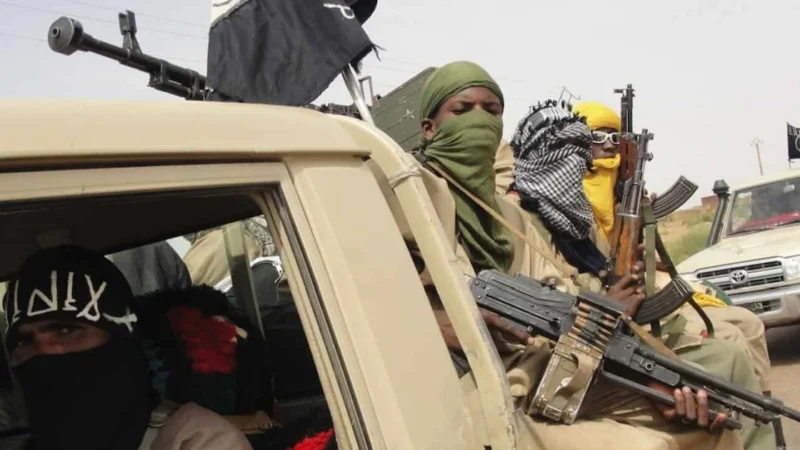
The flow of arms through Conakry reflects broader shifts in West African security dynamics. Since the rise of groups like the Africa Corps, neighboring states have faced mounting pressure to curb illicit arms trafficking. Mali, under transitional leadership, has increasingly relied on non-traditional suppliers, with Guinea serving as an unexpected but strategic partner.
Local officials in Conakry acknowledge the challenges of monitoring such shipments but emphasize the need for stronger regional cooperation. Transparency in port operations remains a contentious issue, with some suggesting that economic incentives may be influencing decision-making at critical junctures.
the human element behind the logistics
Behind the technicalities of maritime trade lies a network of brokers, shipping agents, and port workers who facilitate these transactions. While some operate within legal boundaries, others navigate gray areas where documentation and compliance take a backseat to profit.
Interviews with industry insiders reveal that the process often begins with orders placed through intermediaries in Europe or the Middle East, with final delivery coordinated through Conakry’s docks. The involvement of third-party logistics providers adds another layer of complexity to tracking the origins and destinations of these shipments.
what lies ahead for west africa’s maritime security
The situation in Conakry serves as a case study for the vulnerabilities of West Africa’s maritime infrastructure. As geopolitical alliances evolve, so too do the methods used to circumvent international oversight. The international community has called for stricter enforcement of maritime laws, but enforcement remains inconsistent across the region.
For Guinea, balancing economic interests with regional security obligations will be a defining challenge in the coming years. The port’s role in this trade underscores the need for transparent governance and proactive measures to prevent its infrastructure from becoming a conduit for destabilizing arms flows.