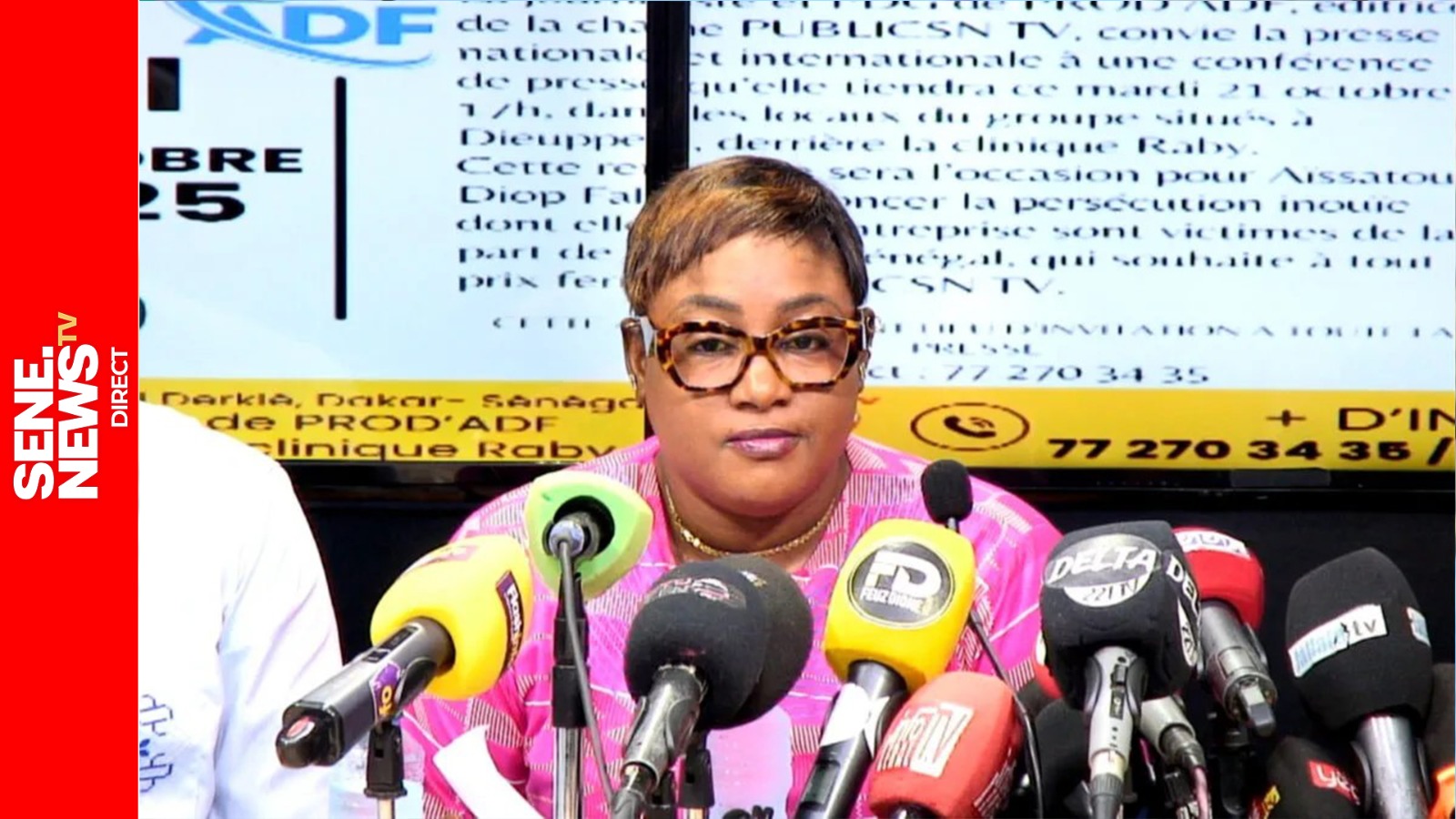
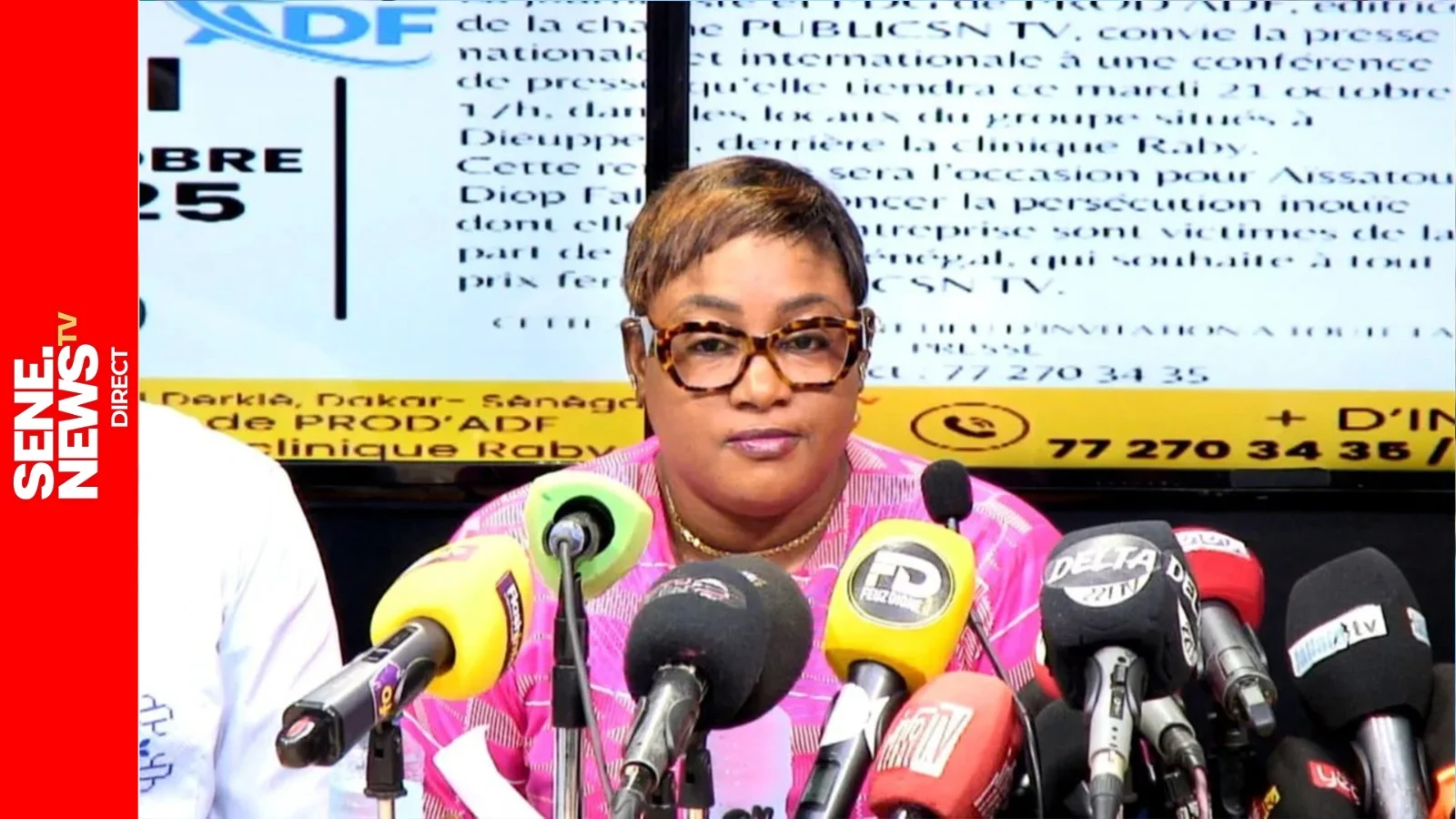
Aïssatou Diop Fall, a prominent media figure in Dakar, has been called in for questioning today by the Special Cybersecurity Division (DSC) of the national police. This follows a prosecutor’s order from the High Court of Dakar, acting on a self-referral case. Her summons comes in the wake of a video statement in which she allegedly expressed a desire for the Pastef leader, Ousmane Sonko, to be abducted by terrorists—a remark that sparked widespread outrage across social media and public discourse.
In response to the backlash, Aïssatou Diop Fall issued a public apology through another video statement. However, prosecutor Ibrahima Ndoye has proceeded with her formal questioning, citing potential violations of Senegal’s penal code and cybercrime legislation. Under Senegalese law, public statements disseminated online or via social media may constitute offenses such as incitement to violence, threats to public order, or indirect calls for harm against an individual.
Legal experts highlight that the charges could include:
- Incitement to violence or criminal acts—a serious offense under Senegalese law when propagated through digital platforms.
- Disruption of public order—a charge applicable when statements are deemed likely to unsettle societal stability.
- Indirect threats or calls for harm—even if no direct action follows, such remarks can lead to legal consequences.
- Cybersecurity-related violations—distributing content deemed dangerous or inflammatory on digital platforms may trigger prosecutions.
The potential penalties hinge on the prosecutor’s classification of the offense. They range from fines to imprisonment, with more severe sentences reserved for cases involving incitement to violence or public threats. The final determination rests with the DSC investigators and prosecutor after reviewing the content and hearing Aïssatou Diop Fall’s testimony.