Groundwater governance workshop opens in N’Djamena to improve Chad’s water security
A national workshop in N’Djamena gathers key stakeholders to craft a joint action plan for better groundwater management in Chad, vital for water security and sustainable development.
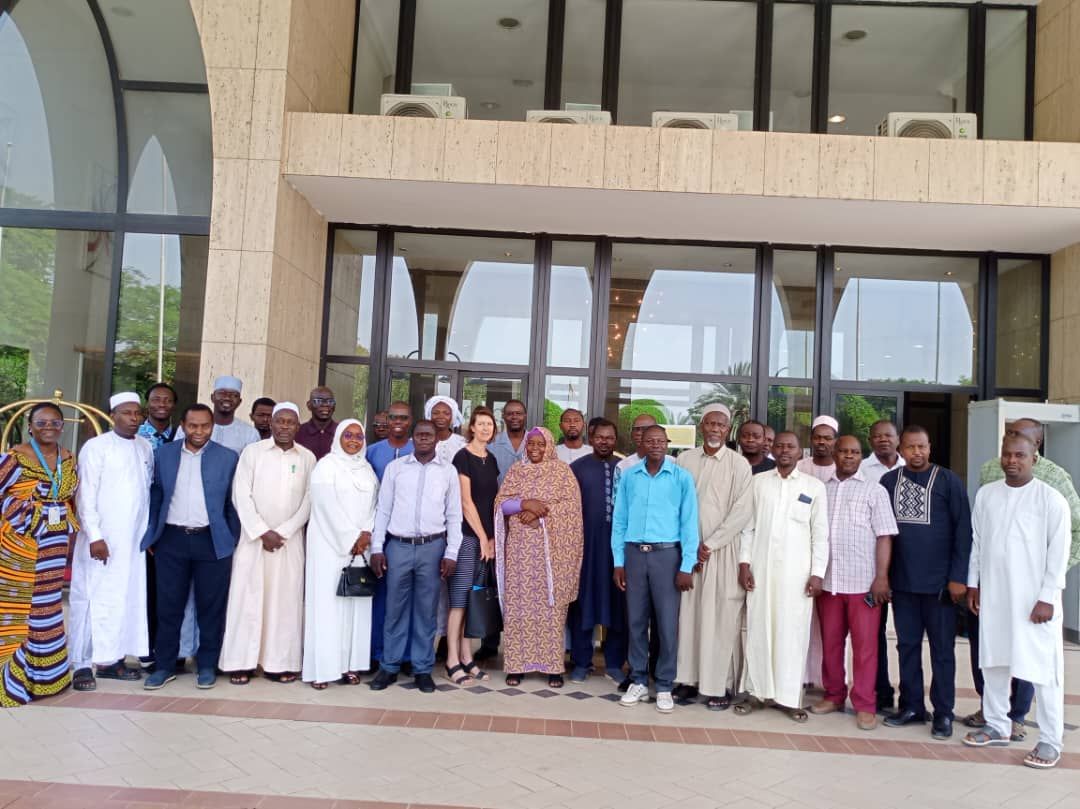
A three-day national workshop focused on strengthening groundwater governance opened in N’Djamena on 16 June 2026. Bringing together about fifty participants from public institutions, technical and financial partners, civil society, and user groups, the meeting aims to develop a consensus-based, multi-stakeholder action plan to improve groundwater management and address risks related to both quantity and quality.
Groundwater plays a fundamental role in Chad’s water security. It supplies drinking water, supports irrigation, pastoral systems, and urban development, especially in areas facing climate stress and surface water scarcity. With this in mind, the workshop was organised to craft a shared action plan to enhance groundwater governance and respond to priority risks threatening the resource.
Speaking at the opening, UNICEF representative Natascha Paddison emphasised that the workshop underscores the collective duty to ensure every child has equitable access to essential services, especially safe water, hygiene, and sanitation. She noted that behind every technical decision on groundwater lies a human reality where health, education, human capital development, and dignity directly depend on it.
Paddison called on participants to share knowledge, compare experiences, identify priority risks, and build concrete solutions together over the three days. She stressed that groundwater resources should become an assurance for health rather than a risk, a driver of development rather than a source of conflict, while safeguarding the interests of future generations.
The UNICEF representative reaffirmed her organisation’s commitment to supporting the Chadian government and all partners in this process. She also thanked the United Kingdom, through its Foreign Office, whose support made the workshop possible.
Fatimé Hassan, Director General of Water Resources, explained that the meeting’s objective is to develop a coordinated action plan to improve groundwater governance in Chad. She said the discussions will establish a common understanding of the country’s groundwater situation, identify key governance challenges affecting its management, and define activities needed to implement the chosen actions. According to her, the workshop’s results will be captured in a report detailing the main discussion points, along with a technical guidance note incorporating the findings of the 2026 national exploratory assessment of groundwater risks.
The workshop gathers about fifty participants representing national water authorities, sectoral ministries, regional organisations, technical and financial partners, UN agencies, NGOs, the private sector, user groups, and academic experts. The exchanges are expected to produce concrete recommendations for more effective, inclusive, and sustainable groundwater management in Chad.